


Building your own pizza oven is a rewarding project, whether it sits in the garden, next to an outdoor kitchen, or becomes the centrepiece of your outdoor space. A well-built pizza oven is not just about looks. The materials you choose, especially the bricks, have a direct impact on heat, cooking performance and long-term durability. Many people focus on the shape or size of the oven, but selecting the right pizza oven bricks is what truly determines how well the oven performs.
A brick pizza oven must cope with intense fire, high temperatures and repeated heating and cooling cycles. Poor-quality bricks can crack, lose heat quickly, or even break after a short period of use. When chosen correctly, fire bricks allow you to cook in a wood-fired pizza oven properly, retain heat for hours and enjoy homemade pizzas without frustration. This guide explains what to look for, what to avoid and how to choose materials that suit your pizza oven build, even if you are new to outdoor oven projects.
What Makes a Pizza Oven Different from Other Ovens?
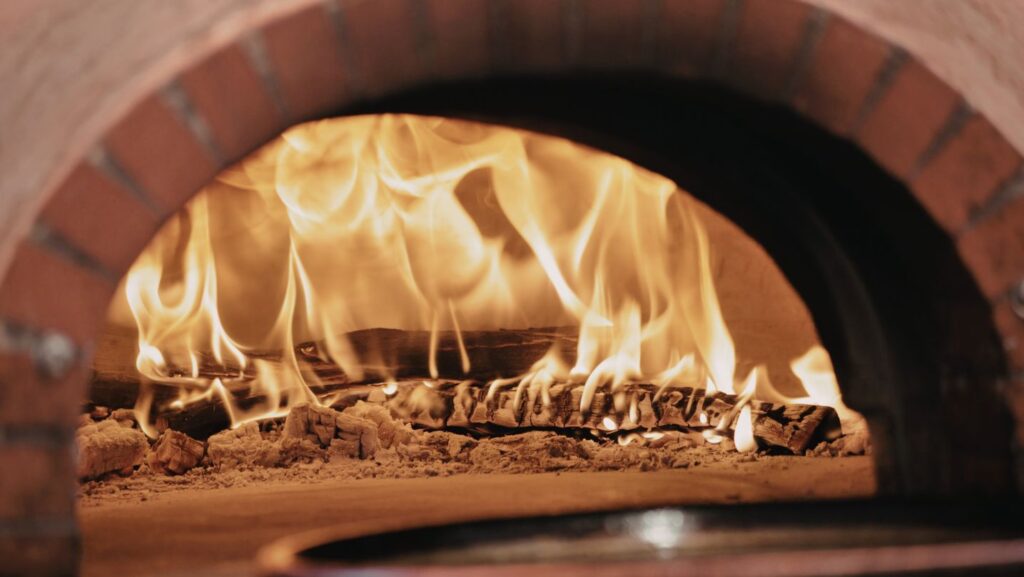
A pizza oven operates under conditions that most domestic ovens never experience. A traditional wood-fired pizza oven regularly reaches extreme temperatures, often well above those used for standard cooking. These high temperatures are essential for authentic wood-fired pizza, allowing the base to cook quickly while toppings remain light and fresh. As a result, the oven structure must withstand direct fire, intense heat and constant exposure to smoke and burning wood.
Unlike fireplaces or fire pits, a pizza oven is designed for food preparation. The cooking surface, walls, and dome are all exposed to sustained heat rather than occasional flames. This makes heat resistance and durability critical. Standard bricks used for garden walls or general construction are not designed for this purpose and often fail when exposed to repeated high temperatures. A proper pizza oven must retain heat efficiently, cool down in a controlled way and remain safe to use over many years. Understanding these differences is the first step towards choosing the right bricks for your oven.
Types of Bricks Used in Pizza Oven Construction
When building pizza ovens, not all bricks are created equal. One of the most common mistakes made by beginners is assuming that any brick will do, especially those already used in gardens, fire pits or small outdoor projects. Standard bricks and basic clay bricks are widely available and relatively cheap, but they are not designed for high-temperature applications. When exposed to extreme heat, they can crack, break or suffer from rapid heat loss. Over time, this reduces performance and shortens the service life of the oven.
For a reliable wood-fired oven, fire bricks are the preferred choice. These bricks are manufactured specifically to cope with high temperatures and repeated heating cycles. Refractory fire bricks contain materials that allow them to withstand temperatures far beyond those reached in a pizza oven without losing strength. They are commonly used in kilns, furnaces, and fireplaces where durability and heat resistance are essential.
Refractory materials also offer consistent quality and predictable performance. While they may cost more upfront than standard bricks, they are far more suitable for a brick pizza oven and prove cost-effective in the long run. Using the right bricks from the start avoids costly repairs and disappointment later on.
Key Properties to Look for in Pizza Oven Bricks
Choosing the best material for your pizza oven involves more than simply buying fire bricks. Several key properties determine how well the oven performs during cooking and how long it will last. Heat resistance is the most obvious requirement. Bricks must withstand high temperatures without cracking or degrading, even when exposed to direct fire and sudden changes in heat.
Heat retention is equally important. Good pizza oven bricks absorb heat and release it slowly, allowing you to cook pizza, bread and other food long after the fire has died down. Bricks with low thermal conductivity help reduce heat loss, keeping the oven efficient and easier to control. This is particularly valuable in a small pizza oven, where temperature stability can be harder to maintain.
Durability and high compressive strength also matter. The bricks form the structure of the oven, including the cooking surface and lining, and must support their own weight without shifting or damage. Quality fire bricks designed for ovens provide reliable performance, consistent cooking results and a longer lifespan, making them a sensible investment for anyone serious about outdoor pizza cooking.
Designing Your Pizza Oven: Size, Shape and Brick Quantity
The design of your pizza oven has a direct influence on how many bricks you will need and which type will work best. A small pizza oven built for occasional outdoor pizza nights will require fewer materials and less space, making it ideal for compact gardens. Larger ovens, designed for regular cooking or entertaining, demand more bricks, stronger support and careful planning from the outset.
One of the most common questions during a pizza oven build is how many bricks are required. The answer depends on the oven size, wall thickness and whether you are building a full dome or a simpler design. Bricks are typically used for the oven lining, cooking surface and outer structure, while concrete blocks may be used for the stand. Planning this early helps control price and avoids delays caused by ordering extra materials later.
Good pizza oven design also considers airflow, heat circulation and ease of use. The shape of the dome, the thickness of the bricks and the available outdoor space all affect how the oven heats up and cools down. Taking time to plan ensures the oven fits comfortably in your garden and performs reliably over the long run.
Mortar, Cement, and Insulation: Often Overlooked Essentials
Even the best pizza oven bricks will not perform properly without the right mortar and insulation. Refractory mortar is specifically designed to handle high temperatures and should always be used for joining fire bricks. Standard cement and sand mixes are not suitable for oven interiors, as they can crack or crumble when exposed to intense heat and repeated firing.
Fire cement is often used for small joints or repairs, but it should not replace proper refractory mortar in the main structure. Insulation plays a vital role in reducing heat loss and improving cooking efficiency. Without it, the oven will struggle to retain heat, leading to longer firing times and uneven cooking.
Insulating layers around the oven lining help maintain stable temperatures and protect the outer structure. While these materials add to the initial cost, they significantly improve durability and performance. Investing in the right mortar and insulation from the start results in a safer, more efficient oven that delivers consistent results for years to come.
DIY Pizza Oven vs Pizza Oven Kits
Once you understand the materials involved, the next decision is whether to build everything from scratch or use one of the available pizza oven kits. A DIY pizza oven offers complete freedom over design, size, and finish. It allows you to choose every material, adjust the layout to suit your outdoor space and often save money if you already have access to tools or locally sourced bricks. For many people, the build itself is part of the fun and adds a sense of achievement when the first pizza comes out of the oven.
Pizza oven kits, on the other hand, are designed to simplify the process. They usually include pre-shaped refractory materials, clear instructions and a predictable result. This can be appealing if you want a reliable outcome without spending weeks researching designs or watching countless YouTube videos. Kits may cost more upfront, but they reduce the risk of mistakes and are popular with customers who want a straightforward route to an outdoor oven.
Cost, Availability and Buying Tips
Price is often a deciding factor when choosing materials for building pizza ovens, but the cheapest option is rarely the best. High-quality fire bricks may appear expensive, yet they offer better heat resistance, durability, and performance over time. In the long run, they are more cost-effective than replacing cracked or damaged standard bricks.
Whenever possible, it is worth buying bricks locally. This reduces transport costs and allows you to check quality before purchasing. Ask suppliers about the intended use of the bricks and confirm they are suitable for high temperatures and oven construction. Pay attention to consistency in size and finish, as uneven bricks make building more difficult and affect the final result.
Careful planning helps control how much you spend. Knowing how many bricks you need, choosing the right mortar and avoiding unnecessary materials all contribute to a smoother and more affordable build.
Final Thoughts: Building the Best Pizza Oven for Your Needs
Choosing the right bricks is one of the most important decisions when building a pizza oven. Fire bricks and other refractory materials provide the heat resistance, strength, and reliability required for proper wood-fired pizza cooking. Combined with good design, suitable mortar and effective insulation, they form the foundation of a durable and efficient outdoor oven.
Whether you opt for a DIY build or a ready-made kit, taking the time to select quality materials pays off in better performance and fewer problems later. A well-built pizza oven is more than a garden feature. It becomes a place for cooking, sharing food and enjoying time outdoors. With the right choices, your oven will deliver great results and years of reliable service.

