

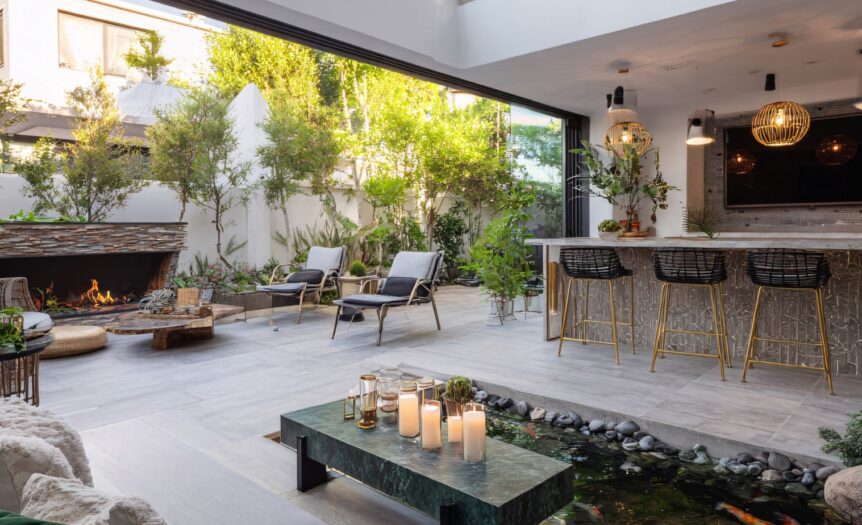
Gardens and patios are often where we go to slow down, reconnect with nature, and step away from daily stress. Whether it’s tending plants, enjoying a morning coffee outdoors, or hosting friends in the evening, these spaces offer a sense of calm that’s hard to replicate indoors. As more homeowners embrace mindful outdoor living, many are also realizing that peace of mind comes not just from beauty, but from feeling prepared. For those who spend long hours outside, having a mindset that includes practical awareness even being Certified First Aid can quietly support confidence and relaxation without disrupting the enjoyment of outdoor life.
Mindful outdoor living is about intention, not perfection.
Why Mindfulness Matters in Outdoor Spaces
Mindfulness means being present noticing the feel of the sun, the movement of leaves, the rhythm of your breath. Gardening naturally encourages this awareness. It slows you down, engages your senses, and draws your focus into the moment.
When you’re mindful outdoors, you:
- Move more carefully
- Listen to your body
- Notice changes in weather or terrain
- Respond rather than rush
This awareness doesn’t just enhance enjoyment; it supports safety and comfort as well.
The Quiet Connection Between Mindfulness and Safety
A mindful approach to gardening and patio use naturally reduces risk. When you’re present, you’re less likely to overexert yourself, trip over tools, or ignore early signs of fatigue.
Mindfulness helps you:
- Take breaks when needed
- Stay hydrated in warm weather
- Adjust activities based on energy levels
- Avoid rushing through physical tasks
Rather than treating safety as a separate concern, mindfulness weaves it seamlessly into everyday outdoor routines.
Designing an Outdoor Space That Encourages Calm
The way a garden or patio is designed plays a major role in how it’s experienced. Cluttered or poorly planned spaces can interrupt relaxation and increase frustration.
Thoughtful design choices include:
- Clear, open walking paths
- Comfortable seating with good support
- Adequate lighting for evening use
- Organized storage for tools and supplies
- Natural shade or wind protection
These elements help create an environment that feels calm, accessible, and easy to enjoy.
Gardening at a Comfortable Pace
It’s easy to treat gardening as a checklist: prune this, plant that, finish everything in one afternoon. A mindful approach encourages a slower pace.
Working gradually allows you to:
- Enjoy the process rather than rush to the result
- Reduce physical strain
- Maintain focus and awareness
- Turn routine tasks into relaxing rituals
Gardening becomes less about productivity and more about presence.
Mindful Hosting in Your Outdoor Space
Patios and gardens are often shared spaces, especially during warmer months. Hosting mindfully means creating an environment where guests feel welcome, relaxed, and at ease.
Simple considerations include:
- Providing stable seating
- Keeping pathways clear
- Being attentive to children or pets
- Offering shade and water during hot days
Prepared, attentive hosts are able to focus on connection rather than worry, which makes gatherings more enjoyable for everyone.

Preparedness as a Form of Care
Preparedness doesn’t need to feel clinical or intrusive. In the context of outdoor living, it’s simply an extension of care for yourself, your household, and your guests.
Being prepared supports:
- Calm responses to minor incidents
- Confidence during unexpected moments
- Reduced anxiety about what if scenarios
- A greater sense of control
When preparedness exists quietly in the background, relaxation becomes easier.
Small Habits That Support Mindful Outdoor Living
Mindful outdoor enjoyment is built on small, consistent habits:
- Wearing appropriate footwear
- Stretching before physical tasks
- Drinking water regularly
- Paying attention to weather conditions
- Taking time to rest
These habits help ensure that time spent outdoors remains restorative rather than exhausting.
Turning Your Garden Into a True Retreat
A garden or patio should feel like a retreat, a place where your mind and body can reset. When mindfulness and preparedness work together, outdoor spaces become more than decorative features; they become supportive environments.
Instead of worrying about accidents or discomfort, you’re free to enjoy the scent of flowers, the warmth of the sun, and the satisfaction of nurturing your space.
Final Thoughts
Mindful outdoor living isn’t about doing more, it’s about doing things with care, awareness, and intention. By designing your garden thoughtfully, moving at a comfortable pace, and quietly supporting readiness, you create a space that truly serves you.
Your garden and patio should invite calm, not concern.
With mindfulness at the center, outdoor living becomes one of the most rewarding parts of home life.

