

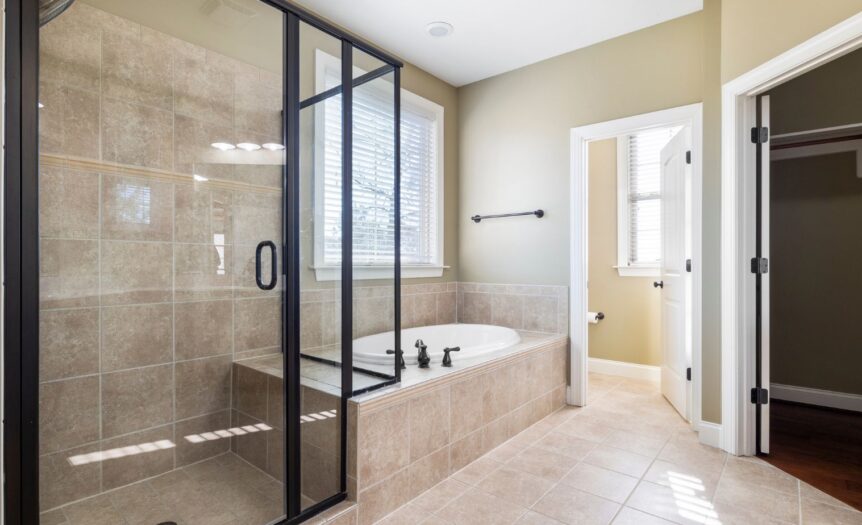
When it comes to designing or renovating your bathroom, selecting the right shower door can dramatically influence both aesthetics and functionality. Showers are often a focal point, and the door you choose can either complement or disrupt the overall design. Two popular types—hinged and sliding shower doors—each come with their unique advantages and considerations. The decision between the two often boils down to your bathroom’s space, style preferences, and practical needs.
Understanding Hinged Shower Doors
Hinged shower doors operate like traditional doors, swinging open on hinges. They’re typically mounted to the wall or a shower enclosure, making them a sturdy option that can exude elegance and sophistication.
Pros of Hinged Shower Doors
1 Easy Access: Hinged doors open outward, providing wide access to the shower area. This makes it easier to get in and out, especially for families or anyone with mobility challenges.
2 Design Variety: These doors are available in various designs, including frameless and semi-frameless options. A frameless design can create a sleek, modern look that maximizes visibility, making your bathroom feel more open.
3 Durability: With robust materials often used in construction, they tend to be durable, handling regular use effectively.
Cons of Hinged Shower Doors
1 Space Requirements: For small bathrooms, the outward opening may pose a spatial challenge. You need enough clearance for the door to swing open without obstruction.
2 Cleaning: While maintaining the glass itself might be straightforward, the hinges can collect grime and require regular cleaning to keep them looking fresh.
Diving into Sliding Shower Doors
Sliding shower doors operate on a track system, allowing them to slide back and forth. This makes them an excellent option for bathrooms with limited space.
Pros of Sliding Shower Doors

1 Space Efficiency: Since they slide along tracks rather than swing out, sliding doors are perfect for compact bathrooms where every inch counts.
2 Contemporary Appeal: With their sleek, modern lines, sliding doors can enhance the overall aesthetic of a contemporary bathroom. They also come in various finishes and styles to match your design preferences.
3 Less Obstruction: Because they don’t require swinging space, it’s easier to fit other fixtures or decor items close to the shower area.
Cons of Sliding Shower Doors
1 Accessibility: While they save space, some individuals may find them harder to maneuver, especially if the track becomes obstructed or given mobility issues.
2 Track Maintenance: The track can be a neglected area. It’s crucial to clean it regularly to prevent soap scum or mildew from building up, which can hinder smooth functionality.
Cost Considerations
Cost can also be a significant determinant. Generally, hinged doors might cost a bit more due to their framing and more complex installation process. In contrast, sliding doors are often more budget-friendly, making them an appealing choice for those looking to renovate without breaking the bank. However, both options come in a range of prices based on material quality, brand reputation, and design complexity. Depending on your preference, you can explore various hinged and sliding shower access options offered at retailers like Heat and Plumb, which stock an extensive range.
Key Factors to Consider
Before making your final selection, consider the following factors:
1. Space Constraints
Evaluate the available space in your bathroom. If you have limited room, sliding doors may be more suitable. Alternatively, if space permits and you prefer a more classic look, hinged doors could be the way to go.
2. Style Cohesion
Think about your bathroom’s overall aesthetic—modern, traditional, eclectic? Hinged doors may lend a timeless elegance, while sliding doors can add a contemporary flair. Ensure your choice aligns with the rest of your design.
3. Functionality Needs
Consider who will be using the shower. For younger or older individuals, easy accessibility might be a priority, influencing your decision toward hinged doors. If family preferences lean towards a unique, spacious feel, the wider access of hinged options could be more appropriate.
4. Installation Requirements
While both options can be installed as a DIY project, it might be worthwhile to consult a professional, especially for the installation of sliding doors which often have more intricate track systems.
Conclusion
Choosing between hinged and sliding shower doors is far from a one-size-fits-all decision. By evaluating your personal preferences, space constraints, and maintenance willingness, you can make an informed choice that enhances both the functionality and style of your bathroom.
Ultimately, whether you lean towards the elegance of hinged doors or the sleek efficiency of sliding doors, investing time into this choice will surely pay off in the long run, creating a bathroom that not only meets your needs but also becomes a source of enjoyment and relaxation.