
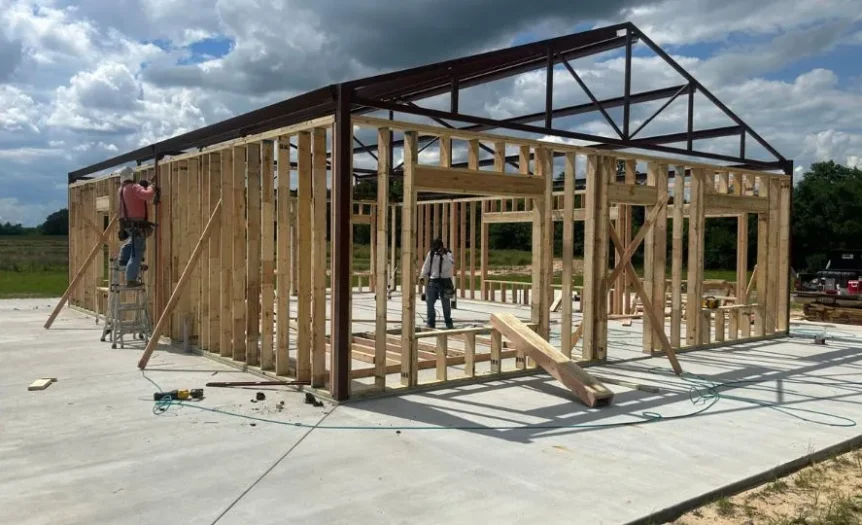
A barndominium often comes with something many homes do not: usable outdoor space. Whether it sits on a few acres or a larger plot, that space creates opportunities for gardening, relaxing, and practical everyday use.
The challenge is that space can quickly become underused or difficult to manage without a clear plan. In Texas, that challenge is amplified by heat, wind, and changing weather conditions. What works in other climates does not always translate well here.
The goal is not to create something overly complex. It is to build outdoor areas that feel natural, stay usable throughout the year, and do not require constant upkeep.
Start With How You Actually Live
Before considering materials or plants, step back and consider how the space will be used day to day.
Most barndominium owners end up using their outdoor space for a mix of:
- Relaxation in the evenings
- Gardening or small-scale food growing
- Outdoor meals or gatherings
- Functional needs like storage or work areas
Instead of treating the land as one open area, divide it into clear zones. This gives the space structure and makes it easier to maintain over time.
A simple layout with defined sections will always work better than an open plan with no direction.
Design Around the Texas Climate
Texas conditions should guide every decision. Long summers, strong sunlight, and occasional dry periods make certain choices more practical than others.
Focus on:
- Heat-tolerant and drought-resistant plants
- Soil that drains well after heavy rain
- Reducing large lawn areas that need constant watering
Trying to recreate a landscape style from a cooler or wetter climate usually leads to more maintenance and higher water use.
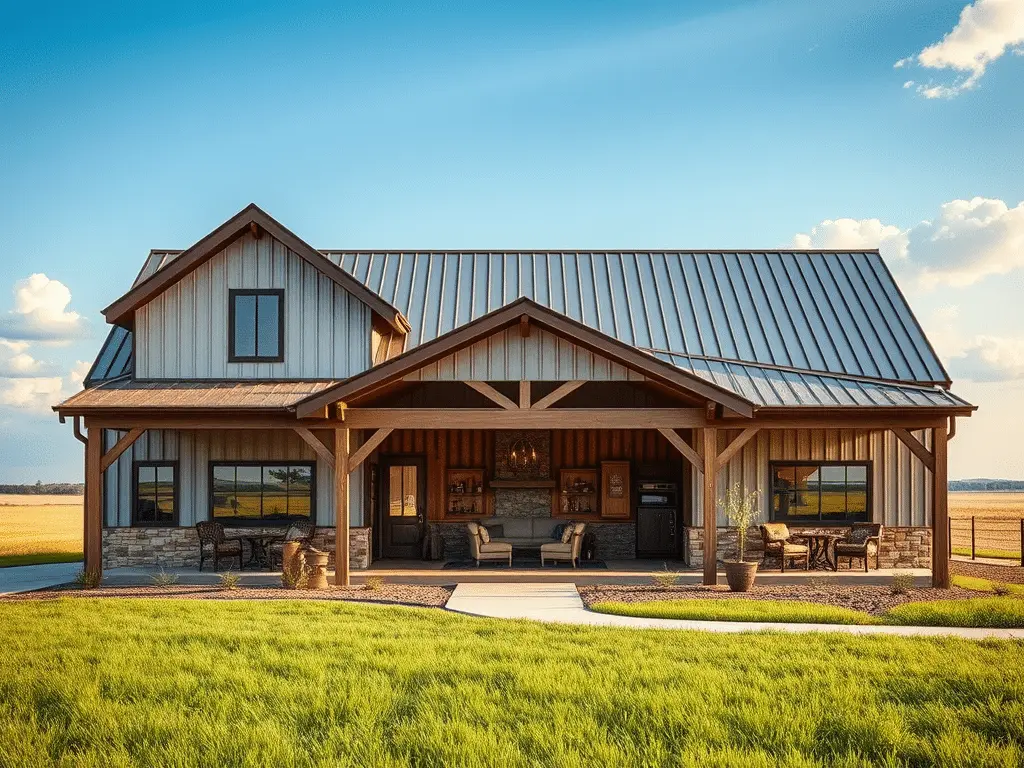
Working with the environment instead of against it keeps the space manageable.
Use Raised Beds for Practical Gardening
Raised garden beds are one of the most effective ways to create a productive garden area around a barndominium.
They provide:
- Better control over soil quality
- Improved drainage during heavy rain
- Easier access for planting and harvesting
They also help define the garden visually, which keeps the overall layout organised.
Materials can be simple. Timber, metal, or composite beds all work, depending on the look you want. The key is placement. Position them where they get enough sunlight but are still easy to access from the home.
Create Outdoor Living Areas That Stay Comfortable
Outdoor seating is often the most used part of the property, especially during cooler evenings.
To make these areas usable:
- Prioritise shade over size
- Position seating to catch natural airflow
- Use materials that do not hold excessive heat
A smaller, shaded seating area will always be used more than a large open one exposed to direct sun.
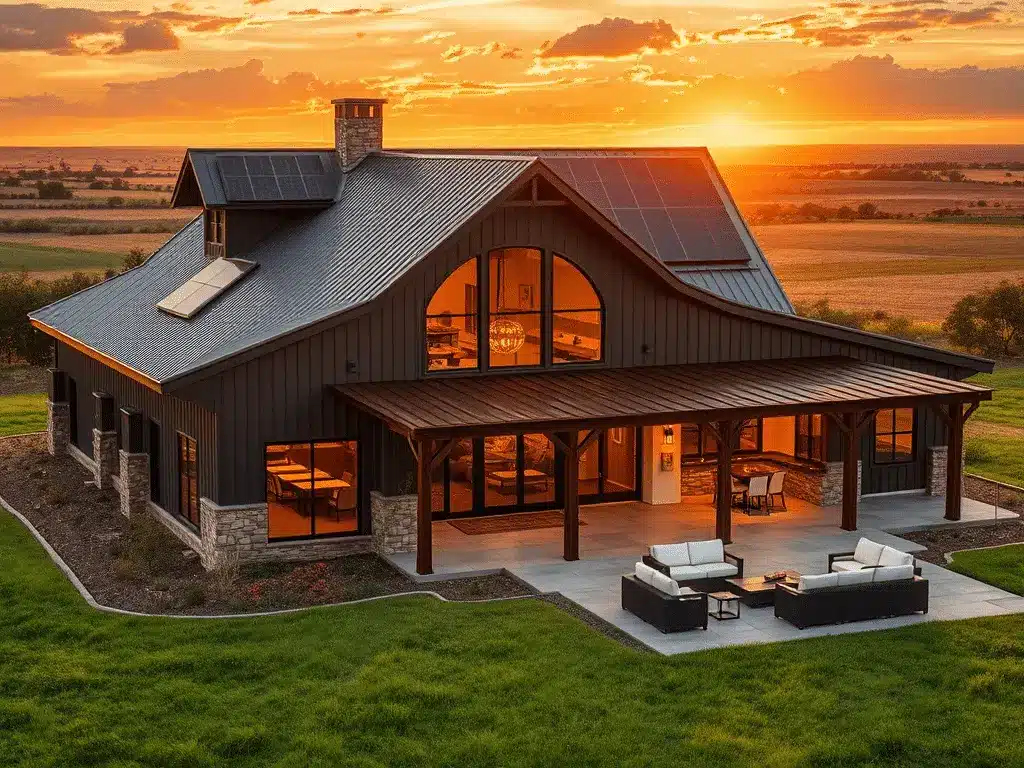
Covered patios are especially effective in Texas. Even a basic structure can make a significant difference in comfort.
Connect Outdoor Space With the Structure
Outdoor areas should not feel separate from the barndominium itself. The transition between indoor and outdoor spaces should be simple and natural.
This often comes down to:
- Where doors and access points are placed
- How paths connect different areas
- Whether outdoor spaces are considered during the initial design
Turnkey barndominium construction providers often factor in these elements early, ensuring that outdoor areas feel like an extension of the home rather than something added later, because they take care of the whole process.
Plan Clear Paths and Movement Routes
On larger plots, movement becomes an important part of design.
Without defined paths, areas can feel disconnected and harder to use.
Practical options include:
- Gravel paths for a simple, low-maintenance solution
- Stone or paver walkways for durability
- Edging to keep paths from spreading or shifting
Think about how you will move between spaces every day, not just how it looks from a distance.
Shade Is Not Optional
In Texas, shade determines whether an outdoor space is usable.
Effective ways to introduce shade include:
- Pergolas over seating areas
- Trees planted strategically, especially on the west side
- Covered patios or extended rooflines
Positioning matters as much as the structure itself. Shade should be placed where you need it most during the hottest parts of the day.
Manage Wind and Exposure
Open land often means increased wind exposure. This can affect comfort, especially in seating or dining areas.
To manage this:
- Use natural barriers like shrubs or hedges
- Add fencing where needed
- Position seating areas away from direct wind paths
These adjustments do not need to be complex, but they make a noticeable difference in how the space feels.
Add Functional Features Without Overbuilding
Barndominium properties often include outdoor kitchens, fire pits, or utility areas. These features can be useful, but they should stay practical.
For outdoor kitchens:
- Keep them close to the house for convenience
- Use materials that can handle heat and weather
- Avoid unnecessary complexity
Simple setups are easier to maintain and tend to get used more often.
The same applies to other features. Focus on function first, then appearance.
Water Features That Stay Manageable
Water features can improve the feel of a space, but they do not need to be elaborate.
Simple options include:
- Small fountains
- Birdbaths
- Compact ponds
These require less maintenance and still add a sense of calm to the environment.
Large or complex systems often become difficult to manage over time.
Plan for Maintenance From the Start
One of the biggest mistakes is designing a space that looks good initially but becomes difficult to maintain.
To keep things manageable:
- Choose plants that require minimal upkeep
- Limit areas that need frequent watering
- Group plants with similar needs together
A well-planned space should not require constant work to stay functional.
Use Lighting to Extend the Space
Outdoor lighting makes a significant difference, especially in the evenings.
Simple additions can include:
- Path lighting for safety
- Soft lighting around seating areas
- Task lighting near cooking or work areas
Lighting does not need to be complicated. Even basic setups can extend how often the space is used.
Think Long-Term, Not Just Immediate
Outdoor spaces change over time. Plants grow, materials age, and how you use the space may shift.
It helps to:
- Leave room for adjustments
- Avoid overfilling the space early
- Focus on flexibility rather than fixed layouts
Many of these challenges come down to early design decisions, something Texas Complete Barndo Solutions frequently sees in real barndominium projects. Outdoor spaces that remain useful over time are usually the ones designed with flexibility in mind rather than fixed plans.
Final Thoughts
Designing outdoor space around a Texas barndominium is about making practical decisions that hold up over time.
The best setups are not the most complex or expensive. They are the ones that:
- Match the climate
- Fit how the space is used daily
- Stay easy to maintain
With the right approach, outdoor areas become a natural extension of the home rather than something separate.
FAQs
1. What plants work best for a Texas barndominium?
Native and drought-tolerant plants are the most reliable due to heat and water conditions.
2. Are raised beds better than planting in the ground?
They offer better soil control and drainage, which makes gardening easier.
3. How do I make outdoor areas usable in summer?
Focus on shade, airflow, and materials that do not retain heat.
4. Should outdoor space be planned before building?
Yes, planning early leads to a more connected and functional layout.
5. Do I need a large budget for a good outdoor setup?
No. Simple, well-planned features often work better than complex designs.