

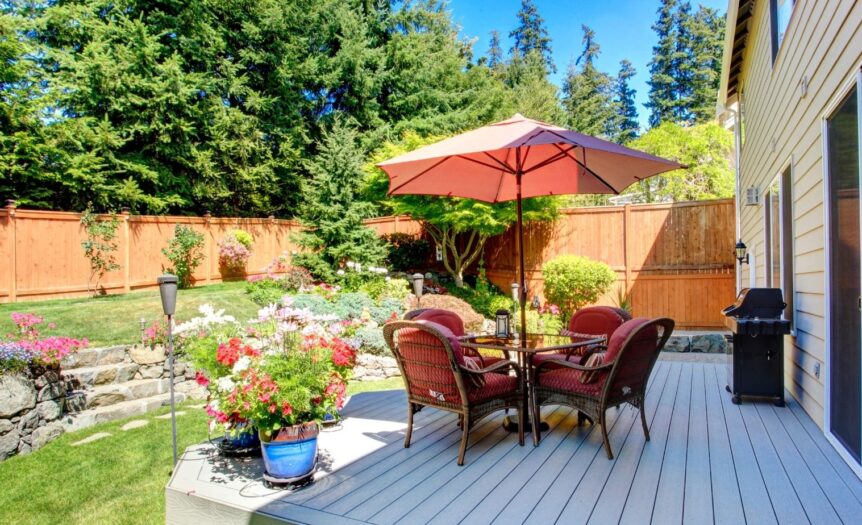
In today’s fast-paced world, it’s essential to create a sanctuary where you can unwind and connect with nature. Renovating your outdoor space can provide a breath of fresh air and enhance your quality of life. However, the idea of a renovation may seem daunting, especially when working within a limited budget. But fear not! In this guide, we will explore creative and cost-effective ways to revamp your outdoor space without breaking the bank.
Make DIY Planters
Using unconventional planters like colored can tins, old buckets, and extra building blocks can give patios and balconies a vibrant twist and a chic upgrade, even if there’s no budget for new plants and planting boxes. Not to mention, repurposing objects as planters will give gardeners the freedom to move their “green furniture” around to instantly change the look of their outdoor space without replanting each time. Hanging can tin planters around patio balcony railings or stacking hollow concrete blocks to assemble a raised garden bed helps gardeners maximise their growing space without the need for heavy gardening each time they want to change layouts. Using those blocks as modular planters also lets you fill their hollow centres with soil for an instant bed, perfect for herbs and succulents, without the extra cost of lumber.
For even more savings, propagate plants from succulent leaves and stem cuttings, turning one purchased item into a whole bunch of gorgeous garden accents at no additional cost. Ultimately, having DIY planters not only helps with budgets but also positively affects your gardening experience by encouraging you to keep your outdoor spaces clean and allowing you to move plants around to ensure they thrive, which is a big help given the UK weather’s unpredictability.
Create a Vertical Garden
Vertical gardens are definitely top contenders for cheap outdoor landscaping in the UK, mainly because they help maximise your limited space without adding more feet to your garden, and their maintenance doesn’t have to cost an arm and a leg if you choose the right system. For starters, plastic tray vertical garden systems are among the most affordable, especially because their space-saving design lets you grow multiple plants without spending more on individual planters. Since this system requires plants to be placed in nursery pots, the tray only holds, so there’s no hassle dealing with the entire display if you need to replace or treat just one plant. This is extremely budget-friendly for UK gardeners because any attempted outdoor plantings are always weather and disease-risky. If a disease outbreak occurs in your chosen greenery, you can easily replace the affected plants without taking down the entire garden. On top of this, lightweight materials for your vertical garden can also help you save on installation costs, as they won’t require costly additional supports or waterproofing, unlike heavy, soil-packed-up-high planters used in felt pocket systems.
Using the vertical garden system to add edible greens and herbs to your outdoor space can also save you money on pesticides and time-consuming slug defence efforts. For instance, arugula and bok choy, which are among the most popular salad greens, will fare much better when elevated high than in conventional ground beds, as they are less prone to dirt and slugs. This keeps operational costs minimal, so your outdoor garden budget can go toward more plants or beautification enhancements rather than treatments and repairs.
Install String Lights
Simple string light additions provide an easy way to achieve an aesthetic overhaul and utility upgrade for any patio, garden, or balcony. And for anyone who wants an attractive yet minimal techie installation, string lights for their outdoor space are a wonderful option.
Easy does it: a no-frills two-line parallel layout is the most foolproof pattern that looks great across any UK outdoor space. This is also the most straightforward design to install, which only requires basic skills.
Completed using LED light strings and cheap generic turnbuckles and wire rope sold in any hardware store or garden supplier, the outdoor string light kit should cost about £120 to £150. Employing long-lasting, vinyl-coated cable, which typically costs £40 for a 250ft coil, ensures light strings stay taut and won’t sag in the rainy UK weather. Dust and waterproof screw eyes also come in very handy as hanging points for the light strings.
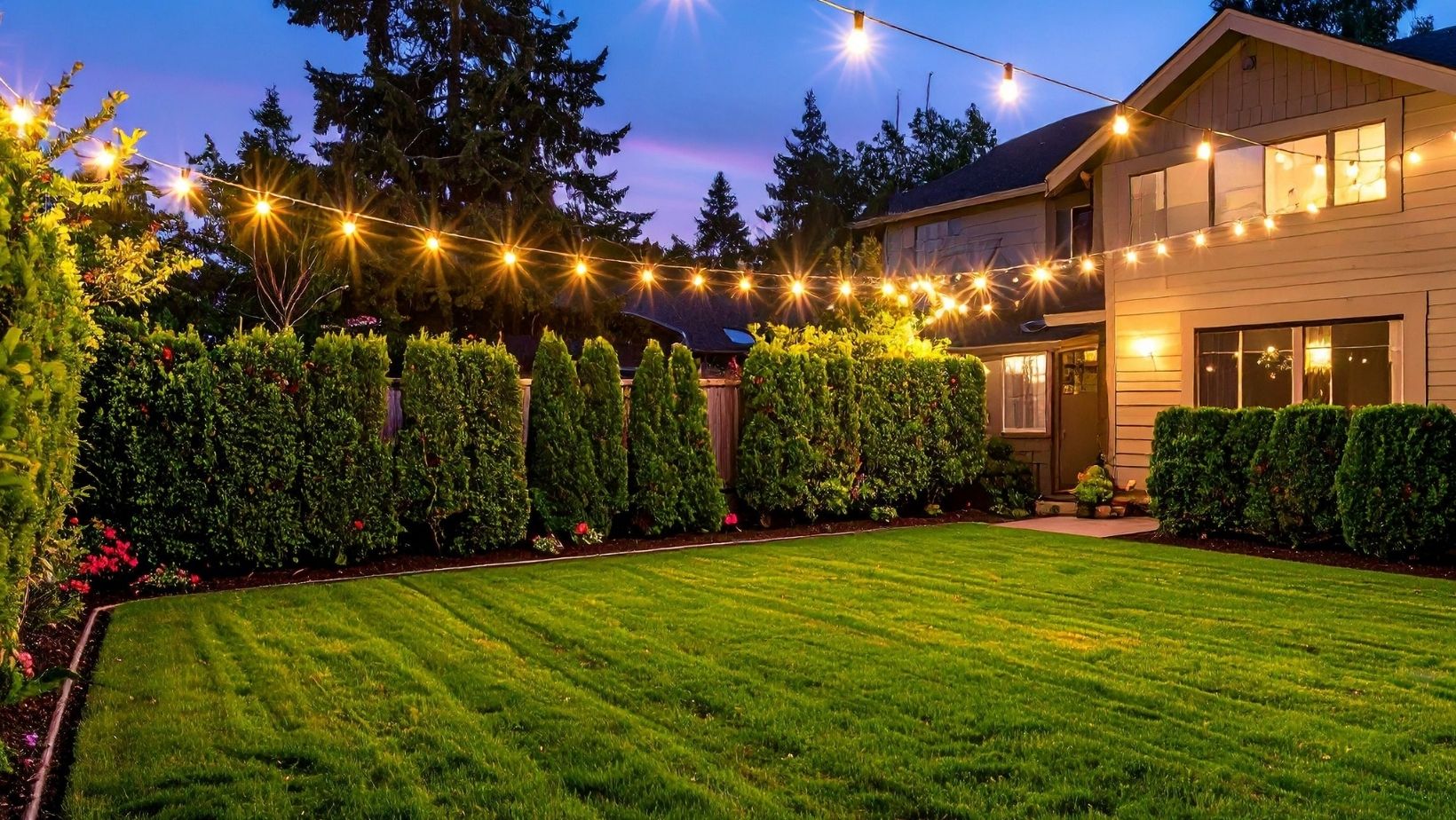
The unexpected twist: string lights can actually turn any poorly-utilised and difficult to light areas of your home into functional spaces. A 10×12-foot patio fitted with overhead light strings has transformed into a go-to spot for after-dark hangouts with friends. The evenings spent in that corner of the house just naturally went up a notch with the on-the-spot installation of string lights. These not only brighten the space but also help zone areas for various functions (dining, lounge, chill, etc.), giving the whole outdoor area a well-planned, neat revamp without changing anything. No need to worry about electric bills either, as lighted outdoor spaces require little electricity. LED bulbs cost only a couple of pennies per night to run, making them cost-efficient despite their standout glow.
Refresh Old Furniture
Refreshing old outdoor furniture is easier than most people think! With proper design knowledge and models, people can use their existing, comfortable, well-maintained wooden-framed outdoor furniture rather than buying new, expensive pieces. Instead of throwing away an old bench or table, they can replace the worn-out wooden slats with new slats cut from offcuts of the same treated timber, or even pallet wood. They can cut the new slat to length with a hand saw or circular saw, then securely attach it with wood glue (bottles cost less than 5 pounds and last for a long time) and screws. This allows even beginners to save pieces of furniture with good-quality wooden frames.
Taking advantage of free and low-cost eco-friendly paint tins can also help upcycle items; local recycling centres and paint reuse programs in the UK prevent unnecessary waste by offering paints at lower prices. Instead of using multiple cans of spray paint, buying a simple low-pressure spray gun (which costs around 25 pounds) offers a more professional-looking finish. This method prevents clogging and splattering issues seen with aerosol spray paint while using less paint. A basic spray gun covers old metal or wooden furniture with a smooth, even coat within an hour and is cheaper in the long run because it helps the paint last longer than it would with a paintbrush and spray paint.
Projects like cutting replacement slats, sanding surfaces, or applying an even paint finish are much easier with the right equipment. Having access to power tools near you allows you to complete these upgrades efficiently without investing in expensive tools you may only use once.
Build a Simple Pergola or Canopy
Building a pergola with low-cost materials like wire and bamboo rolls can add an extra layer of privacy and shade to outdoor spaces like patios and balconies, where adding heavy timber or stone structures may not be ideal. If supported properly with thick enough timber battens or tensioned wires, and fixed to them with cable ties or wire, bamboo rolls can act as a pergola that provides immediate shade and privacy, even before vines start growing on them. You just have to make sure they’re thick and strong enough so they won’t sag and fall apart in the wet weather like the UK has most of the year.
Using tensioned wires instead of additional timber to support your pergola can also save you money and prevent your structure from becoming too heavy, especially if built above balcony railings. You also need cable tensioners to keep the wires taut and prevent them from sagging. For the roof of your pergola, use lightweight, clear ONDUCLAIR PC sheets to let natural light shine through while keeping rain out. When fixing these sheets, you need to drill holes that are about 5mm wider than the screws, so the sheets can expand and contract with changes in temperature. You’ll get cracks in your sheets earlier if you don’t do this.
Paint or Stain Your Decking
The paint colour and finish can reset the whole visual theme of garden furniture and space. Painting your decking with opaque paint can cover visible stains or colour differences between decking boards, merging and levelling the appearance of individual boards into a modern, flat surface. Staining, on the other hand, especially with semi-transparent stains, can bring out the natural grain of the wood while covering old colours and freshening up existing colours of aged decking boards.
When decorating your deck in the UK, it’s important to consider deck paints and stains designed to withstand our weather. These products are made to maintain their look and function even when applied to outdoor surfaces that are regularly affected by the ever-present damp and the ever-changing UV conditions in the UK’s weather. Applying deck oils and modern stains to your deck’s wood can give it the look of brand-new wood and give your deck an utterly dramatic before-and-after appearance, since it can instantly makeover faded decking boards.
Add Outdoor Cushions & Accessories
Swapping out cushions and accessories can bring new life to well-used items and save money on buying new ones. Because of the price, many homeowners make the mistake of using indoor cushions outdoors. Indoors will absorb moisture, so an outdoor cushion made with indoor fabric will absorb any morning dew or moisture, which can create a musty smell or mould within a couple of days. The UK also has a climate with large temperature changes and high heat levels, which will wear out outdoor furniture much faster than indoor furniture, such as by fraying seams and fading colours. It is better to purchase cushions and accessories specifically designed for outdoor use, combined with quick-dry, water-resistant, and UV-resistant foam, to keep the look fresh for all seasons and travel.
Build a DIY Fire Pit
Knowing where to allocate funds for materials is all it takes to ensure your DIY fire pit is safe and durable without going over budget. The lining of the fire pit itself, with either fire bricks or a thick steel fire pit ring, is critical and your number one money spender because they’re equipped to withstand extreme temperatures compared to regular concrete, normal bricks, or masonry block materials which are prone to cracking, breaking, or exploding when the moisture trapped inside them tries to flash out as steam. Any type of retaining wall block, whether concrete or reclaimed, should be saved for the outer shell of your fire pit.
Especially if you have a thinner, fireproof lining between them and the hearth. Which helps extend their usefulness because, again, they’re not meant for exposure to high temperatures. Also essential for fire pit safety and performance is air circulation. As a result, you shouldn’t go overboard with the mortar, caulk all the joints, or aim for an airtight finish. Leave 2 or 3 small, mortar-free air-circulation holes in the bricks, lower down and away from the seating area. For optimal results, this ensures your fire burns cleanly and draws well, leaving you with a neat-looking, long-lasting fire pit.
Conclusion
If you want to give your outdoor area a facelift but are worried about money, this guide shows you how to have a great-looking space without going over budget. Focus on smaller-scale changes that can have a big impact (reusing existing materials, refreshing items you already have, or using inexpensive products designed for multiple uses), and make small projects over time until you have made your outdoor area a true reflection of yourself. Choose one project to start with based on your time, skills, and financial capabilities so you can continue building on your success. Giving yourself time to be creative, being patient with yourself, and setting priorities will help you create a beautiful outdoor oasis without spending any more than what you can afford.