
A clean line between your patio and the grass makes the whole yard look better. It creates a finished look that stands out to guests and neighbors. Achieving that crisp border takes some planning and the right approach. Many homeowners struggle with messy edges that bleed into the walkway. Understanding the basics of lawn boundaries helps keep the space tidy. With a few simple steps, you can transform a ragged patio edge into a sharp focal point.
Defining the Space
A professional blog post mentioned that stone edgings help separate different parts of the garden, like flower beds and pathways. This separation makes every part of the outdoor area feel distinct. Using stones or bricks creates a physical wall that stops grass from creeping over.
It provides a heavy frame for your hardscaping. This method works well for stone patios that need a bit of extra weight at the perimeter. Heavy materials stay in place even when the ground gets soft from rain.
Creating Visual Boundaries
Visual boundaries help the eye move across the yard without getting lost. When the grass meets the patio without a clear edge, the space feels unfinished. A crisp line acts like a picture frame for your outdoor living area.
It highlights the texture of the patio stones and the color of the turf. Without this line, the transition feels blurry and cluttered. Adding a border defines the purpose of each section.
Choosing the Right Shape
The shape of your border affects how much work you have to do later. One gardening guide explained that broad curves are much easier to keep up with than complex or tiny shapes. Large arcs allow for smooth movement when you are maintaining the yard.
Sharp angles look modern, but they often catch debris and grass clippings. Selecting a simple design saves time during your weekend chores – it keeps the flow of the yard natural and open. Simple shapes also prevent the mower from getting stuck in tight corners.
Proper Tools
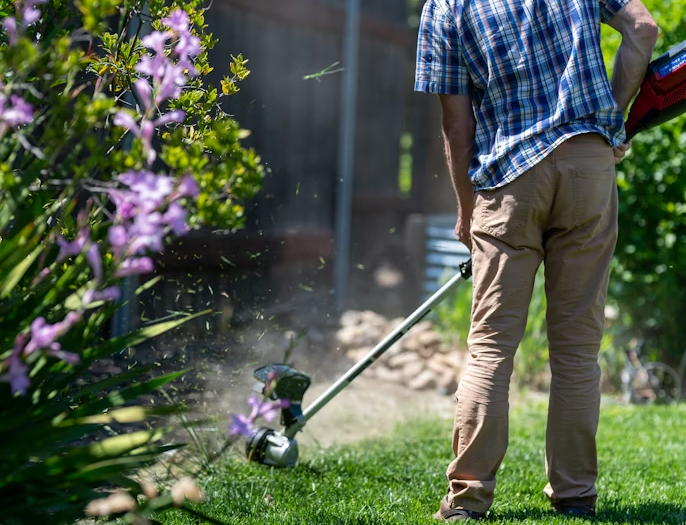
Getting the right equipment makes the manual labor go much faster. You might use a weed trimmer to clear away any stray blades that grow too close to the stone. This tool provides the precision needed for a clean finish without damaging the patio surface.
Keeping the battery charged means you are always ready for a quick touch-up. Sharp blades and fresh line are helpful for thick patches of turf. If you have a large yard, a powerful motor is a good investment.
Material Selection
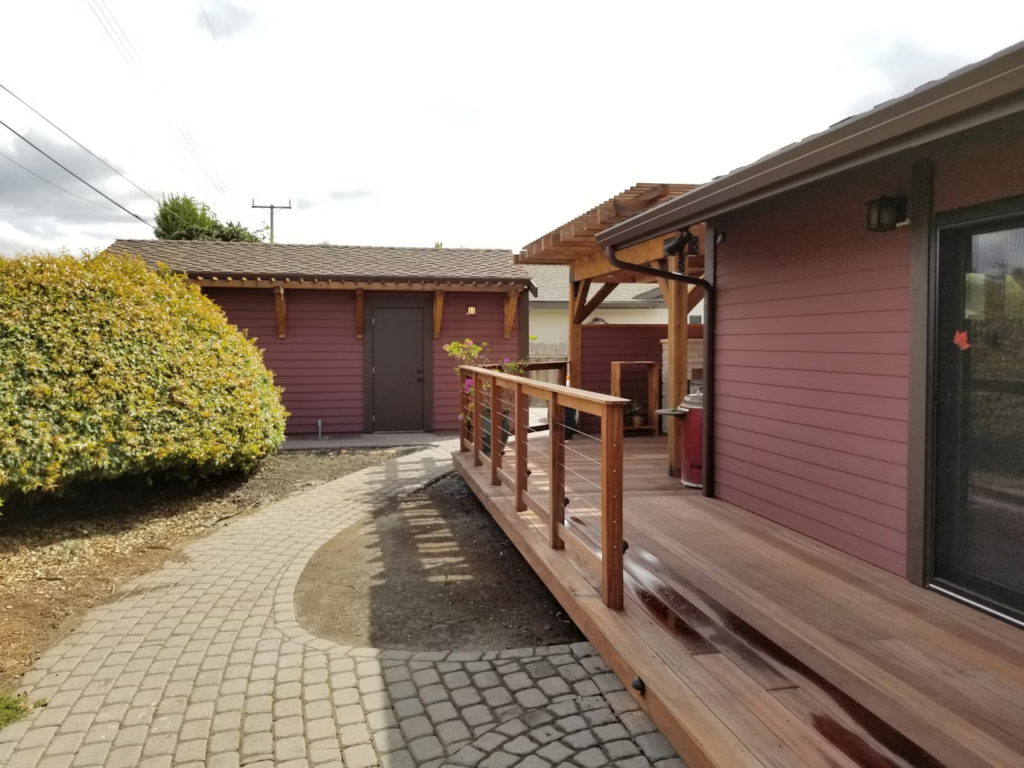
Selecting the right material for the border depends on your style and budget. Metal strips offer a slim profile that disappears into the grass. Plastic options are cheaper but might warp in the sun over time.
Wood timbers provide a rustic feel but can rot if the drainage is poor. Think about how the material reacts to the local weather. Some metals rust on purpose to create a specific look.
Installation Steps
Start by marking the path with a garden hose or a string line. Dig a shallow trench to set your materials deep enough to stay put. This prevents the border from shifting during heavy rain or freezing winters.
Tamp the soil down firmly once the edging is in place. Add a layer of sand or gravel for extra stability if you are using heavy stones. Leveling the ground helps the border look straight and professional.
Trenching and Ground Prep
Preparing the ground is the most labor-intensive part of the process. You need to remove any rocks or roots that might get in the way. A flat spade is the best tool for cutting a clean vertical wall in the dirt.
This wall holds the edging material upright while you backfill the soil. Skipping this step often leads to wobbly borders that sink into the yard. Proper prep work pays off during the next growing season.
Dealing with Overgrowth
Managing the grass that tries to jump the border is a constant battle. You have several ways to handle the growth before it hides your patio.
- Trim the edges every 2 weeks during the growing season.
- Pull stray weeds by hand to keep the root systems from spreading.
- Apply a light layer of mulch to suppress unwanted seeds.
- Check for gaps where soil might be washing over the edge.
Regular attention prevents a small problem from becoming a massive project later. Consistency is the main secret to a yard that looks managed. It is much easier to spend 5 minutes a week than a whole day once a year.
A sharp edge changes the whole feel of your backyard. It turns a standard patio into a professional-looking landscape. Taking the time to install a proper border saves you from hours of extra weeding later. You can relax more often in a space that stays neat on its own. With the right plan, your patio remains the highlight of the garden. Enjoy the view of a perfectly framed outdoor living space.