

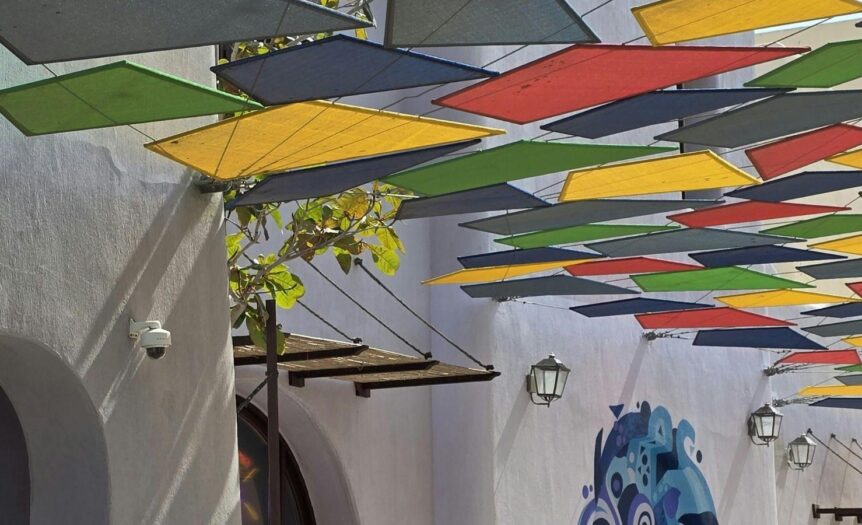
Attached canopies and awnings are fantastic for keeping a patio cool or protecting an entrance from the rain. However, these architectural additions are notorious for creating hidden leaks that eventually rot out your walls. If you are dealing with a damp spot near an exterior door or a stained ceiling in the entryway, you might need a professional roof repair tooele service to come out and inspect the flashing. Most homeowners assume the roof itself is failing, but more often than not, the culprit is the precise spot where that heavy canopy meets the side of your house.
The Flashing Nightmare
The biggest reason moisture gets in at the canopy line is poor flashing. Flashing is that thin strip of metal designed to direct water away from joints. When a contractor installs a canopy, they have to break the seal of your siding or your shingles to tuck that metal in. If they just slap some caulk on the seam and call it a day, you are in for a bad time. Caulk dries out and cracks within a few years. Once that happens, gravity pulls every drop of rain right behind the siding and into your structural headers.
Structural Movement and Stress
Houses are not static objects that stay still forever. They aalso shift, settle, and expand depending on the temperature. An attached canopy acts like a giant lever. When the wind blows, it creates vibration and uplift. This constant tugging puts immense pressure on the fasteners holding the canopy to the wall. Over time, those bolts can wiggle just enough to create tiny gaps. Even a gap the size of a pinhole is plenty of space for water to seep in during a heavy storm. Because the canopy is heavy, that movement is constant, meaning any sealant used will eventually fail under the mechanical stress.
Poor Drainage and Pooling
Water is lazy, and it always takes the path of least resistance. Canopies are often built with a very slight pitch. If the pitch is not steep enough, water tends to pool right at the junction where the canopy meets the house. This is especially true if debris like leaves or pine needles pile up in that corner. This standing water creates a “damming” effect. Instead of running off the edge, the water sits against your siding until it finds a way inside. During winter, this becomes even more dangerous as ice dams form and push moisture upward under your shingles.
Incorrect Fastener Choice
You would be surprised how many people use the wrong screws to hang a heavy awning. If a builder uses standard galvanized nails or non-sealing bolts, they are essentially poking holes in your waterproof envelope. Proper installation requires lag bolts with neoprene washers that create a watertight seal when tightened. Without those washers, water follows the threads of the bolt directly into the wooden studs of your home. By the time you see a soft spot on your drywall inside, the interior framing has likely been wet for months.
Final Word
Ignoring a small leak around your porch cover is a recipe for a very expensive renovation down the road. If you suspect your awning is letting in the elements, calling a roof repair tooele service is your best bet. It’s one of the smartest moves you can make to protect your home’s equity. Catching a flashing issue early prevents mold and mildew from flourishing. It also deters structural rot from taking over your entryway, which truly reduces your home’s curb appeal and value. It is much cheaper to reseal a joint today than it is to replace a load-bearing wall next year.