

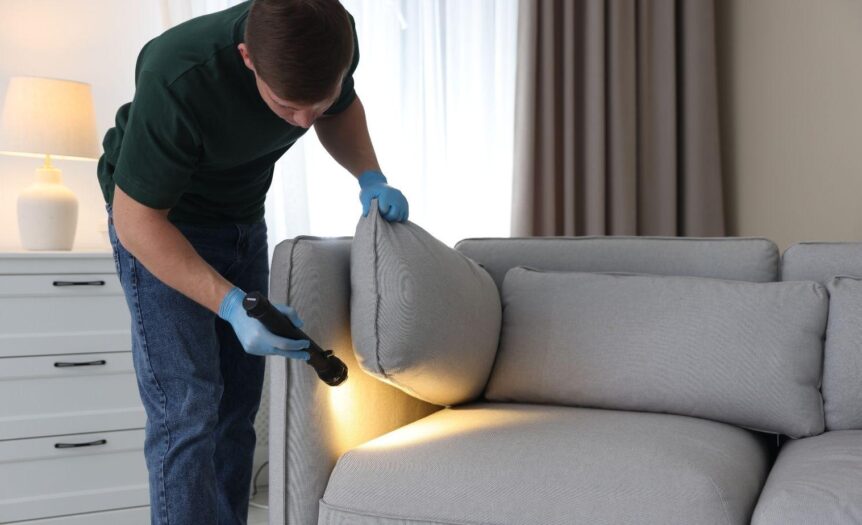
According to the National Pest Management Association, termites are responsible for causing $6.8 billion destruction in damages and treatments annually in the United States. The termites greatly lower a property’s worth. Reports from the United States Census Bureau claim that millions of home sales occur every year, with many involving pest or structural inspections as a part of the process.
If an inspection confirms active termite activity, professional termite control can help eliminate the infestation and reduce the risk of further damage before the real estate transaction proceeds.
Termite inspection is a necessary component of the home buying and selling process in the United States, especially in regions notorious for termite activity.
Termite inspections may not be mandated by law in every state, but many mortgage lenders, real estate contracts, and local regulations will push for it before finalizing a deal.
These inspections help in assessing the termite infestation’s impact or any past harm that might influence the structure and valuation of the home. Once the inspection is done, a qualified pest control technician is asked to put together a termite inspection letter. This document outlines the findings of the inspection, which may be important for the mortgage company or attached to the closing document.
Termites can cause significant hidden damage, so a professional inspection can provide peace of mind for buyers and help the sellers to avoid disputes or delays during closing. The pest control firms that carry out these inspections increasingly run on dedicated pest control service software to schedule visits, log findings, and turn each inspection into the formal report that lenders and buyers rely on.
Let’s examine the importance of termite inspection in a real estate transaction.
Seller Disclosure Obligations
Sellers in most states must reveal all material defects that they know about, including termite damage and infestation history. Both of these defects meet the definition of “material defects,” which need formal disclosure. The seller needs to reveal any current or past termite activity and all unrepaired structural damage. Previous treatment details are provided through the seller’s property disclosure statement.
The specific form varies by state. Indiana uses a formal Seller Disclosure Form, while Washington State uses Form 17. California requires a Real Estate Transfer Disclosure Statement for most residential sales under California Civil Code Section 1102.
A seller does not need to inspect the property since disclosure obligations exist. The seller faces legal risks when they fail to share a termite report with a buyer. In California, real estate agents must give buyers all termite inspection reports according to Commissioner’s Regulation 2905.
Concealing termite damage or providing false information on a disclosure form because he can be sued for fraudulent misrepresentation, negligent misrepresentation, or breach of contract according to state law and the case details.
According to Baton Rouge real estate disputes lawyer Andrew B. Ezell, real estate disputes with contractors or construction defects demand appropriate attorneys’ legal interventions to help protect your rights.
Lender Requirements by Loan Type
The type of financing used determines whether a termite inspection is required as a condition of loan approval.
The VA Termite Infestation Probability map requires wood-destroying pest inspections to be conducted at all properties that exist in areas with moderate-to-heavy infestation potential.
The inspection needs to be conducted by a licensed inspector who will identify any active infestation and structural damage, which must undergo treatment and repair work before the loan can be finalized. VA rules established in June 2022 permit veteran borrowers to pay for their inspections across all states but cost allocation continues to be a frequent negotiation topic. Borrowers should confirm current requirements with their VA lender or regional loan center.
Federal Housing Administration (FHA) loans do not require automatic termite inspection throughout their entire process. The appraiser only needs to request one when they see active infestation or damage. State law mandates termite inspection, whereas local legislation enforces it. Area practices dictate it or the lender decides to enforce it according to HUD/FHA guidance. All identified problems must be resolved before the loan can be approved.
Lenders can choose whether to enforce termite inspection requirements for conventional loans. Each lender has different inspection rules, which depend on the appraiser’s identification of issues or the contract’s inspection requirements.
Purchase Contract Contingencies
The sale remains contingent upon a satisfactory wood-destroying organism (WDO) report since buyers have the right to add a termite inspection contingency to their purchase contract, which overrides lender requirements. The buyer maintains the right to negotiate repair terms, request a price decrease, or cancel the deal without penalties when active infestation or previous damage becomes known through inspection.
California organizations report WDO through the California Business and Professions Code Section 8516, which defines two categories of findings. The first category consists of active infestations, while the second consists of the damage.
The second category contains conditions that concern future infestations, such as moisture problems or wood items touching the ground. The buyer normally assumes responsibility for these costs after closing, except when the parties reach different agreement terms.
The reporting structure used in California differs from national standards since each state requires different WDO report formats. These formats are followed by local inspectors. Treatment expenses and repair costs can be determined through negotiation between parties.
The seller typically takes responsibility for treating active infestations before closing unless both parties reach an agreement for price reduction or seller credit, which leads to a lower purchase price for the buyer. The lender demands a clean WDO report for funding approval. Active findings that remain unresolved will prevent loan approval and restrict options for all parties involved.
Liability for Concealment
One can sue the seller if the buyer discovers termite damage after the closing, especially if the seller was aware of the issue but failed to disclose it during the sale. The buyer must prove that the seller fraudulently concealed information concerning the termite infestation.
The seller can be held responsible for negligent misrepresentation after making false statements that were not based on any reasonable grounds. The seller is said to have broken the contract upon giving out false statements that the buyer then relied upon with respect to the purchase of the property.
The claims are dependent on certain factors that need to be established during legal proceedings. These factors are the seller’s knowledge of the infestation, the importance of disclosing the defect, and the reliance and trust of the buyer in the seller’s representation of the property.
Buyers should keep all evidence when they believe the seller hid termite damage, which includes disclosure documents, WDO reports, seller communication records, and post-discovery inspection reports.
Real estate agents and brokers who have knowledge of a termite issue and fail to disclose it face professional liability claims, which extend to the seller in states that require licensees to reveal all known facts.