

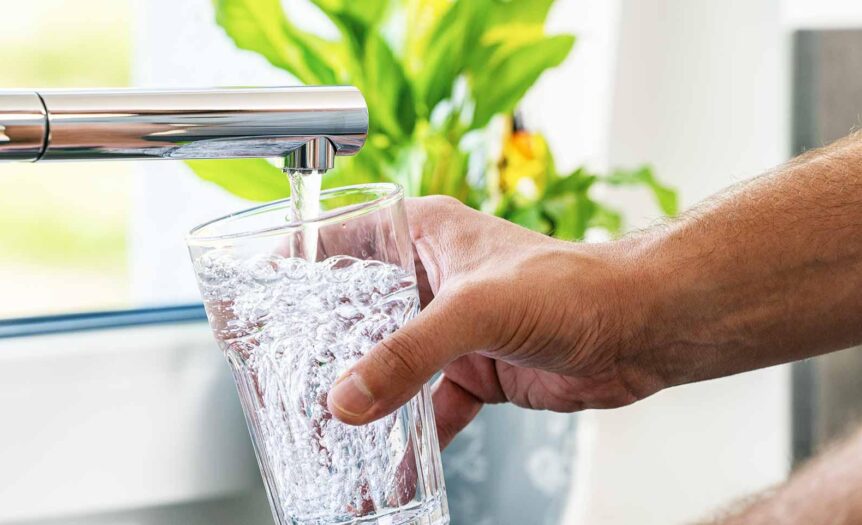
Most people assume their tap water is fine. It looks clear, it flows on demand, and the city treats it before it reaches your home. But “treated” doesn’t always mean “clean,” and what happens between the treatment plant and your faucet is where things get complicated.
A high-quality water purification system exists to fill exactly that gap. Aging pipes, local agricultural runoff, and inconsistent municipal monitoring mean contaminants can slip through, often without any visible sign. You won’t taste lead. You won’t smell nitrates. Testing is the only way to know for sure.
What’s Really in Your Tap Water?
Municipal water treatment removes many harmful substances. But the journey from a treatment plant to your faucet is long, and aging pipes can introduce new problems along the way.
The U.S. Environmental Protection Agency (EPA) acknowledges that drinking water can contain contaminants, including lead, chlorine byproducts, nitrates, and microbial organisms, even after standard treatment processes.
Lead, for example, doesn’t come from the source water. It leaches into the supply through older pipes and plumbing fixtures inside homes. That’s not something a treatment plant can control once the water leaves the facility.
If you rely on a private well, the situation is even more hands-on. No government agency is regularly testing your well water for you. That responsibility is entirely yours.
How a Purification System Is Different from a Basic Filter
There’s a common mix-up between filtration and purification. They’re related, but not the same thing.
A basic filter, like the kind built into a pitcher, typically removes sediment and some chlorine. It improves taste and smell. But it won’t handle heavy metals, bacteria, or dissolved chemicals.
A purification system goes deeper. Depending on the technology, it can eliminate up to 99% of dissolved solids, kill microorganisms, or target specific chemical contaminants. The right system depends entirely on what’s in your water to begin with.
The Main Types of Water Purification Systems
Not all systems work the same way, and no single type covers every problem. Each one targets different contaminants using a different method.
Knowing what each does, and what it doesn’t do, makes choosing one a lot less overwhelming.
Reverse Osmosis (RO)
RO systems work by pushing water through a semi-permeable membrane at high pressure. This strips out dissolved solids, including lead, arsenic, fluoride, and nitrates. They’re thorough. The drawback is that they generate some wastewater in the process and tend to filter slowly.
Activated Carbon Filters
Carbon filters are the most widely used option in homes. They excel at removing chlorine, chloramines, and volatile organic compounds (VOCs) that cause off-tastes and odors. They don’t address dissolved minerals or most bacteria, so they work best paired with another method if your water has deeper issues.
UV Purification
Ultraviolet purification uses UV light to disrupt the DNA of bacteria, viruses, and other microorganisms, rendering them harmless. It doesn’t remove physical or chemical contaminants, so it’s most effective as part of a combined system rather than a standalone solution.
Whole-House Systems
These connect to your home’s main water line, treating every drop before it reaches any faucet or appliance. The upfront cost is higher, but the benefit is total coverage; every shower, every load of laundry, every glass of water is treated.
Point-of-Use Systems (Under-Sink or Countertop)
These are installed at a single tap, usually in the kitchen; more budget-friendly, require minimal installation, and are a practical starting point for most households. If clean drinking and cooking water is your primary concern, this is often the most efficient route.
Start With a Water Test
Before buying anything, test your water. This is the step most people skip, and it usually leads to buying the wrong system.
Home testing kits can detect common contaminants like chlorine, lead, bacteria, and nitrates. For a more thorough analysis, certified labs can test for a broader range of substances. Many local health departments offer guidance or subsidized testing.
The CDC recommends testing your water if you notice any changes in taste, odor, or appearance, or if a contamination event has been reported in your area.
Once you know what’s in your water, choosing a system becomes much more straightforward.
What to Expect to Spend
Water purification systems span a wide price range, depending on the type and scale.
● Countertop or faucet-mounted carbon filters: $30–$150
● Under-sink reverse osmosis systems: $150–$600
● Whole-house filtration systems: $500–$3,000+ (including installation)
That might seem steep at first glance, but consider this: a family of four buying single-serve bottled water can spend anywhere from $250 to over $1,000 per year, depending on how heavily they rely on it.
A home system typically pays for itself within 1 to 2 years. And it generates far less plastic waste in the process.
Maintenance Matters More Than You Think
A filter that’s past its useful life doesn’t just stop working. It can actively release accumulated contaminants back into your water. That’s the opposite of the whole point.
Most carbon filters need to be replaced every 3 to 6 months. Reverse osmosis membranes last anywhere from two to five years. UV bulbs require annual replacement to stay effective.
Set calendar reminders. It’s easy to forget, and most people do, until something starts tasting off again.
More Than Just the Kitchen Tap
Most people think about water quality only when they’re drinking it, but water affects you in more ways than that.
Take your morning shower: hot water releases chlorine vapors and other chemical byproducts into the air, and inhaling them is actually a greater source of exposure than absorbing them through your skin. Then there’s cooking. The water you use to boil pasta or brew coffee directly affects how your food and drinks taste.
Whole-house filtration systems solve all of this at once. But if you’re renting or working with a limited budget, countertop and faucet-mounted filters are a solid alternative. No installation, no long-term commitment, and still a meaningful improvement over unfiltered tap water.
The Bigger Picture for Your Household
Contaminated water rarely makes you sick overnight. With contaminants like lead, chlorine byproducts, and nitrates, the damage is gradual – building up over months and years of daily exposure. Children and older adults feel these effects most, but no one is immune to the long-term toll.
Adding a water purification system to your home is really just due diligence. Your family uses water dozens of times a day, and it makes sense to know what’s actually in it.
The process is straightforward:
- Test your water to see what’s in it.
- Identify your contaminants so you know what you’re filtering for.
- Choose a system that matches both your home’s needs and your budget.
Most people are surprised by how manageable it is once they start.