
Opening up a home to the garden has become one of the most popular improvements homeowners make, and it’s easy to see why. More light, easier access to outdoor space, and a room that feels bigger than it actually is, all for one reasonably contained project. The tricky part comes when deciding which type of door actually suits the house, particularly if that house happens to be an Edwardian property with its own distinct architectural character.
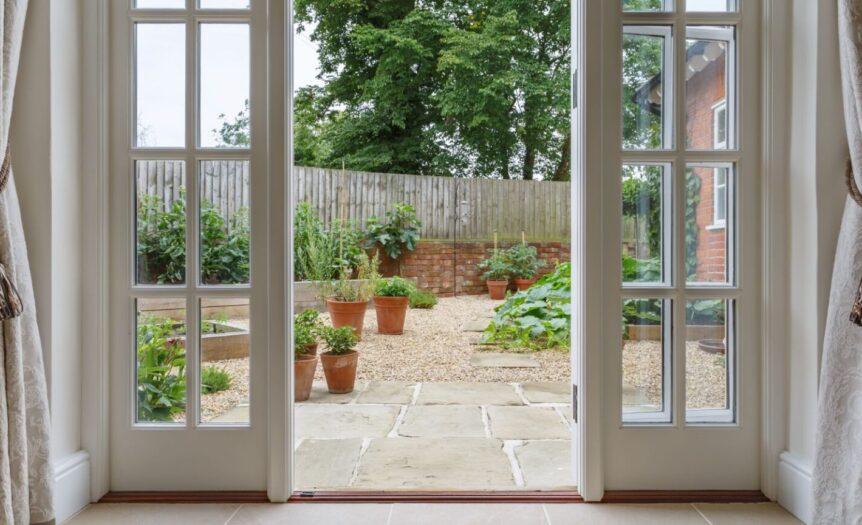
Bi-fold doors have become a familiar sight in newer extensions, prized for the way they fold completely open and blur the line between inside and out. French doors, meanwhile, have been part of British homes for well over a century, and for Edwardian properties specifically, they tend to be the more natural fit. Joinery specialists who build Edwardian French doors for period homes across London are often asked to weigh in on exactly this decision.
Why Proportion Matters So Much in Period Homes
Edwardian architecture is known for its clean, elegant proportions, tall windows, generous panels of glass, and a certain restraint that avoids anything too fussy or ornate. French doors, with their simple two-panel design and slim glazing bars, sit naturally within that style. They echo the same proportions found in the original sash windows and doors of the period, rather than competing with them.
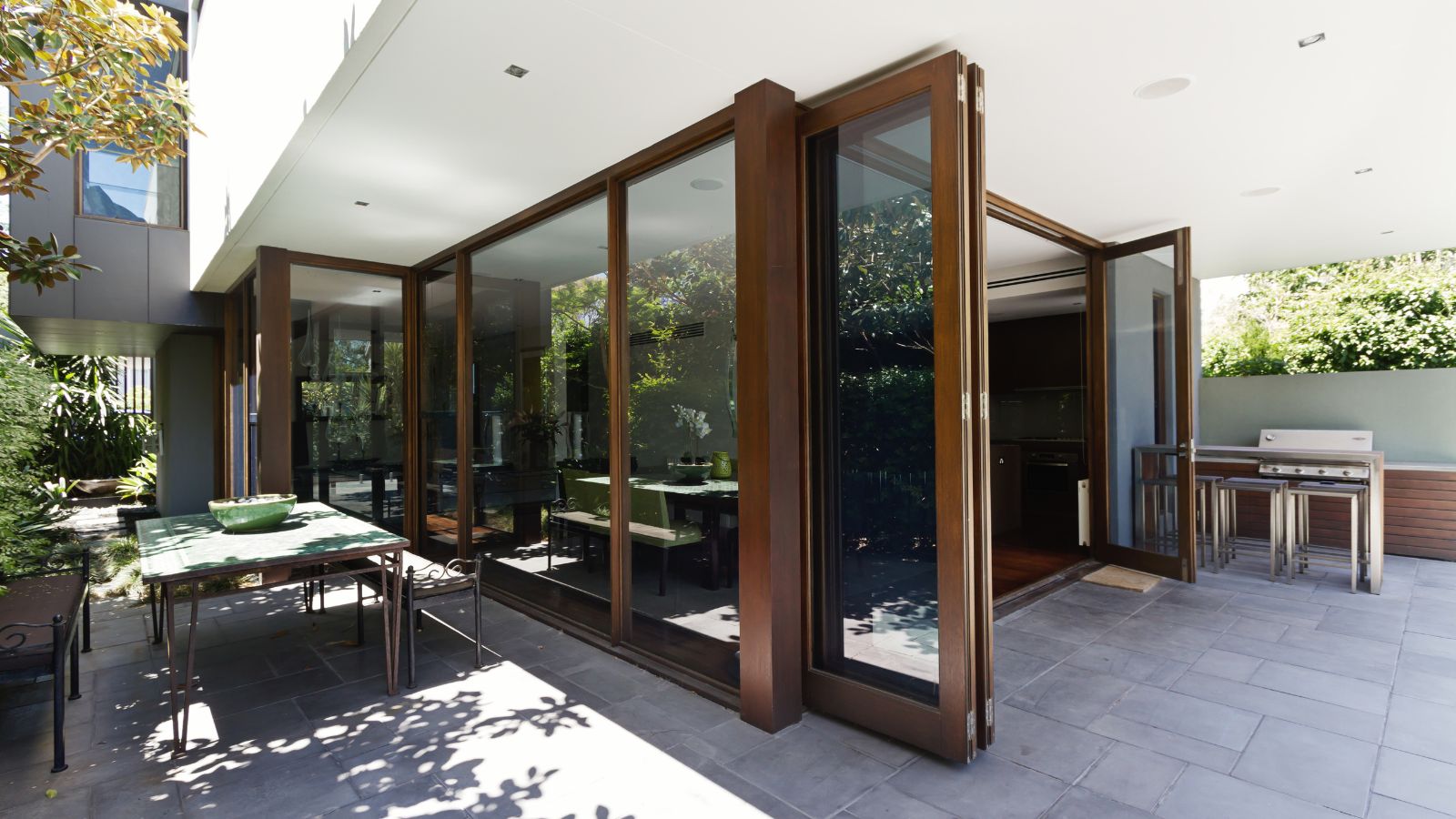
Bi-fold doors, by contrast, are built around a very different visual language. Multiple narrow panels stacking to one side create a distinctly modern look, one that suits contemporary extensions well but can sit awkwardly against the more measured lines of an Edwardian facade. This doesn’t mean bi-folds are wrong in every case, but it does mean the choice has a real visual consequence that’s worth thinking through before committing.
Practical Differences Worth Knowing
Beyond appearance, there are some genuine practical differences between the two options that matter day to day.
- Thermal performance – French doors, with fewer panels and simpler seals, are often easier to insulate properly, which matters for keeping heating costs down through winter.
- Maintenance over time – bi-folds have more moving parts, more tracks, and more hardware, all of which need occasional attention. French doors are comparatively simple, with less that can go wrong.
- Planning considerations – in conservation areas, French doors that match the original style of the property are often viewed more favourably by planning officers than a more contemporary bi-fold system, since they preserve the character of the building.
- Everyday use – bi-folds are brilliant when fully opened, but for the many days when you only want a small amount of air or a quick way in and out, French doors tend to be more convenient.
When Bi-Folds Might Still Make Sense
None of this is to say bi-folds are never the right choice. If you’re building a modern rear extension onto an Edwardian home and want a clear contrast between old and new, a well-designed bi-fold system can work nicely, provided it’s positioned somewhere that doesn’t compete directly with the original facade. The key is being intentional about where the contrast sits, rather than letting it clash with the parts of the house that give it character in the first place.
Getting the Detail Right
Whichever route you choose, the quality of the build matters just as much as the style. A French door with a slightly wrong sightline, mismatched glazing bars, or hardware that looks out of place can undermine an otherwise good decision just as easily as choosing the wrong door type altogether.
This is where working with a joiner who genuinely understands Edwardian proportions pays off. A specialist who’s spent three decades or more designing and building bespoke timber doors for period properties across London will work to match the exact glazing patterns, panel widths and finishing details found in original Edwardian joinery. Built in a proper workshop rather than assembled from generic parts, a door like this sits properly within the house rather than looking like an addition bolted on afterwards.
Making the Decision
If keeping the character of your Edwardian home intact matters to you, French doors are usually the safer and more sympathetic choice, both visually and in terms of planning. If you’re creating a clearly modern extension and want that space to read as distinctly separate from the original building, a bi-fold system can work well in the right spot.
Either way, take the time to see examples of both in similar period homes before deciding. A decision this visible, sitting at the heart of your garden view, deserves more thought than picking whatever’s fashionable this year, and a door built to the right proportions will still look right in twenty years’ time.
What to Ask Before You Commit
Before agreeing to any design, ask to see photographs of similar projects the joiner has completed in comparable Edwardian properties. A company confident in its work should have plenty of examples showing how their doors sit within period facades, not just isolated product shots. It’s also worth asking how the glazing bar pattern will be matched to your existing windows, since consistency across the whole facade is often what makes the finished result look intentional rather than mismatched.
Ask, too, about the timber being used and how it’s been treated. Properly seasoned or modified timber, such as Accoya, holds its shape far better over time than cheaper alternatives, which matters enormously for doors that will be opened and closed daily for years to come.
A Long-Term View
Choosing between Edwardian French doors and a bi-fold system isn’t just a decision about how the room looks next summer. It’s a decision that will shape how the back of your house presents itself for decades, and how comfortably it sits alongside the rest of the original building. Homeowners who take the time to get the proportions, materials and detailing right rarely regret it, whereas those who rush the decision based on current trends alone sometimes find themselves wishing they’d chosen more sympathetically once the initial excitement fades.
Garden rooms and rear extensions will keep evolving in style, but a well-built, correctly proportioned door tends to outlast whatever’s currently fashionable, which is exactly why it’s worth getting right the first time.

