

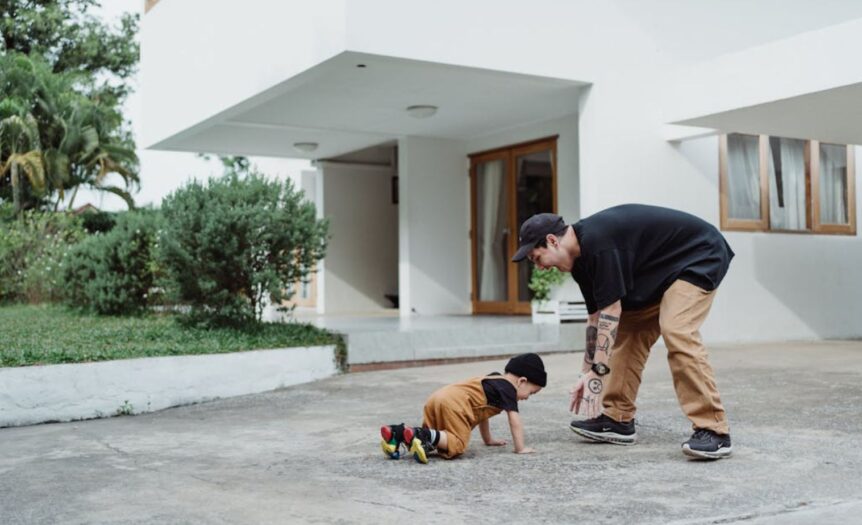
Concrete outdoor areas are among the lasting and low-maintenance home extensions. But even small issues can affect their durability and visual appeal if not addressed on time. Knowing these concerns is important for maintaining the integrity of your patio. Below are the common issues and how to fix them on time so the area remains beautiful.
Cracking Flooring
Cracking is one of the most frequent concerns with concrete spaces. This can happen due to several factors. They include temperature changes, natural settings, and poor installations. Some cracks, like hairlines, often come from curing or weather changes and are harmless. However, wider or spreading splits signal deeper issues that need immediate attention. The key is watching out and fixing any splitting before it spreads and becomes a major issue.
If you do not act fast, water can seep in and expand during cold weather. Dirt and weeds can also settle inside and weaken the space. Start by removing all loose debris and dust, and apply a concrete crack filler or sealant. These products are flexible and move with the concrete to hold the surface together. Patching the entire compound can work better for wider cracks. However, installing something completely different on the aging cement may be necessary if the cracks are spreading fast.
Water Drainage Issues
Poor water flow can cause pooling that damages the area. Still water can weaken the slab and create slippery spots. This can lead to splitting and soil erosion underneath the installation over time. Poor drainage can also be due to improper design and a lack of slope. For example, a flat surface or one angled toward the house can limit water flow. The problem can start years later, particularly when the soil settles unevenly.
Begin by clearing nearby drains and gutters. Make sure the soil around the patio has not built up or blocked runoff. A concrete resurfacer can work for minor low spots by leveling the area. For major pooling, hire a professional concrete patio installation team to adjust the entire space and direct the slope away from the house. Proper redesigning prevents long-term damage and moisture issues near your home.
Surface Discoloration and Scaling
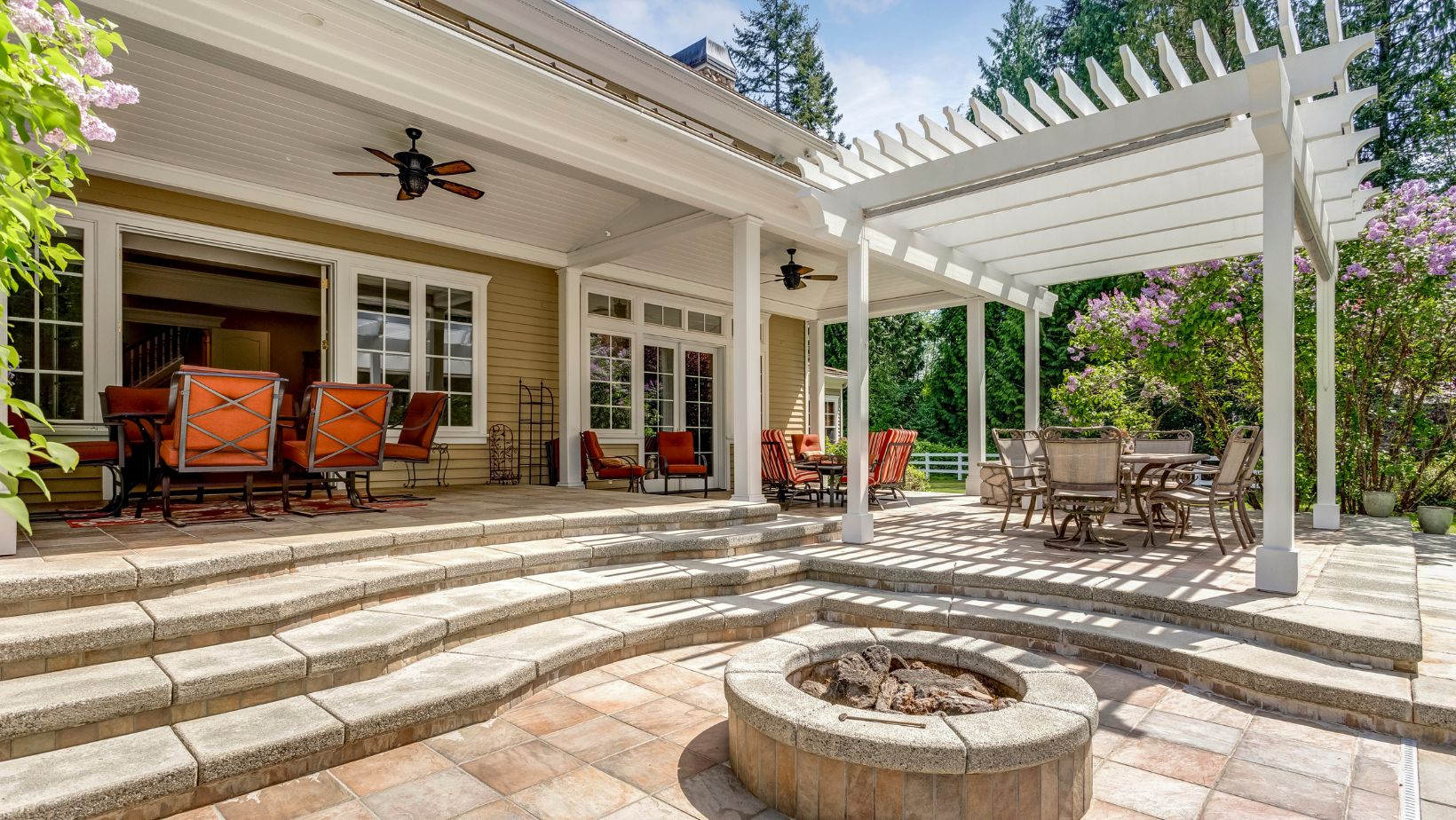
A concrete yard may develop stains or discoloration after some years. This mostly results from exposure to harsh conditions like rain or sunlight. Splitting substances like oil or chemicals can also make the surface change its color. Meanwhile, scaling happens when the top layer of the slab starts to peel or chip away. This weakens the surface and makes it rough underfoot.
Fixing the problems needs simple actions like cleaning the area with mild soap and water. Avoid using chemicals that can strip the concrete. Use a resurfacing mix to fix shallow scaling spots. Finish with a sealing agent to block water and reduce future staining. Regular fixes every year keep the area strong and appealing.
Uneven Surfaces and Soil Erosion
Uneven surfaces often happen when the soil below the slab starts to shift or wash away. It can also result from poor installation practices. These include failing to level the ground before installation or using too much concrete in one area. When this happens, parts of the space lose support and cause the concrete to sink, tilt, or even feel uneven underfoot.
You might notice some level differences or edges that feel raised. However, these become major tripping hazards as the surface becomes weak. Focus on stopping erosion and improving drainage around the patio. Redirect downspouts and fill gaps where water flows under the slab. Surface levelling or lifting can also fix minor sinking without full replacement.
Endnote
Maintaining a concrete exterior space starts with understanding the issues and fixing them earlier. Regular maintenance makes your home extension appealing and functional for many years. However, consulting a professional is needed before major renovations. This ensures the slab slopes in the right direction, and installation is done with the right materials that can withstand extreme conditions.

