

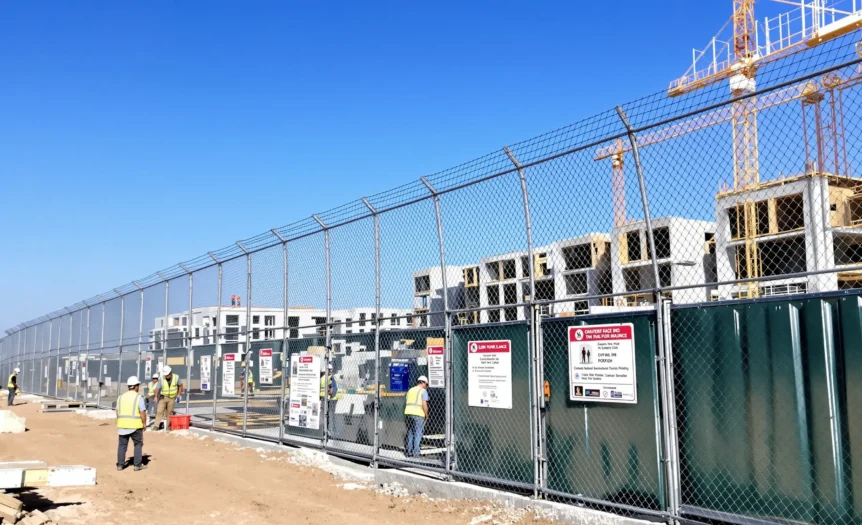
Picture this: It’s 6:30 a.m. on a muddy jobsite. The sun’s barely up, coffee’s still too hot, and you’re staring at a stack of construction fence panels. You know you need to keep the site safe, the public out, and the inspector happy. But which panels do you pick? How do you set them up so they don’t topple in the first gust of wind? If you’ve ever stood in those boots, you know the stakes. The right construction fence panels can mean the difference between a smooth project and a headache that drags on for months.
What Are Construction Fence Panels?
Construction fence panels are portable barriers used to secure job sites, control access, and protect both workers and the public. Unlike permanent fencing, these panels are temporary. You can move them, stack them, and reuse them from one project to the next. Most panels are made from steel mesh or chain link, but you’ll also see plastic and wood versions. The key is flexibility—set them up fast, take them down even faster.
Why Construction Fence Panels Matter
Here’s the part nobody tells you: construction fence panels aren’t just about keeping people out. They’re about keeping your project on track. A missing panel can mean a stolen tool, a trespasser, or a fine from the city. One contractor I know lost $10,000 worth of copper wire overnight because a single panel wasn’t locked down. That’s a lesson you only need once.
Types of Construction Fence Panels
Let’s break it down. Not all construction fence panels are created equal. Here are the main types you’ll run into:
- Chain Link Panels: The classic. Steel frame, wire mesh, usually 6 to 8 feet tall. Tough, reusable, and easy to repair.
- Welded Wire Panels: Similar to chain link but with a tighter grid. These panels are stiffer and harder to cut through.
- Plastic Panels: Lightweight, bright colors, often used for crowd control or marking boundaries. Not as strong, but easy to move.
- Wood Panels: Rare, but sometimes used for privacy or noise reduction. Heavy and not as durable in wet weather.
Each type has its place. If you’re working in a high-theft area, go for welded wire. If you need to move panels every day, plastic might save your back.
Key Features to Look For
Choosing construction fence panels isn’t just about picking the first set you see. Here’s what actually matters:
- Height: Most sites use 6-foot panels, but 8-foot panels add extra security.
- Base Stability: Look for heavy bases or sandbags. Wind loves to knock over light panels.
- Panel Connections: Sturdy clamps or couplers keep panels from drifting apart.
- Anti-Climb Design: Smaller mesh or angled tops make it harder for trespassers to scale.
- Visibility: Bright colors or reflective strips help prevent accidents at night.
Here’s why: every weak point is an invitation. I once watched a panel with a loose clamp fall over and block a fire lane. The fire marshal was not amused.
How to Install Construction Fence Panels
Setting up construction fence panels isn’t rocket science, but there’s a right way and a wrong way. Here’s a quick guide:
- Lay out your site plan. Mark where each panel will go.
- Set the bases on level ground. Uneven bases lead to wobbly panels.
- Stand up each panel and connect them with clamps or couplers.
- Add sandbags or weights to the bases, especially in windy areas.
- Double-check every connection. Give each panel a shake test.
If you skip the shake test, you’re asking for trouble. I’ve seen panels topple in a breeze because someone rushed the setup. Take five extra minutes now, save hours later.
Common Mistakes (And How to Avoid Them)
Let’s be honest: everyone’s made at least one of these mistakes with construction fence panels. Here’s what to watch for:
- Not securing the bases—panels tip over, causing damage or injury.
- Leaving gaps between panels—easy access for thieves or animals.
- Using the wrong panel type for the job—plastic panels on a windy site? Bad idea.
- Ignoring local regulations—some cities require specific heights or locking mechanisms.
If you’ve ever had to explain to a client why their site was wide open at 2 a.m., you know the pain. Double-check your setup, and don’t cut corners.
Who Should Use Construction Fence Panels?
Construction fence panels aren’t for everyone. Here’s who gets the most out of them:
- General contractors managing large, open sites
- Event organizers needing quick crowd control
- Property owners securing vacant lots
- Anyone needing temporary security or privacy
If you’re working on a tiny backyard project, you might not need full panels. But for anything bigger, they’re a must. If you’re not worried about theft, safety, or liability, you can probably skip them. For everyone else, they’re non-negotiable.
Cost Breakdown: What to Expect
Let’s talk numbers. Construction fence panels usually rent for $1 to $3 per panel per day. Buying panels costs $60 to $120 each, depending on size and material. Don’t forget extras like bases, clamps, and delivery fees. One project I worked on spent $2,500 on fencing for a three-month job. It felt steep—until we realized it saved us thousands in lost tools and avoided a lawsuit when a kid tried to sneak onto the site.
Tips for Getting the Most Out of Your Panels
Want to make your construction fence panels work harder? Try these tips:
- Inspect panels before every use—look for bent frames or broken mesh.
- Use privacy screens to block views and reduce dust.
- Label your panels with your company name to prevent theft.
- Store panels off the ground to prevent rust.
- Train your crew on proper setup and takedown.
Here’s the secret: most problems come from rushing or skipping steps. Slow down, do it right, and your panels will last for years.
Final Thoughts: What Nobody Tells You
Here’s the part nobody tells you: construction fence panels are like insurance. You hope you never need them, but when you do, you’re glad they’re there. They’re not glamorous, but they’re the unsung heroes of every safe, successful jobsite. If you’ve ever lost sleep over site security, you know exactly what I mean. Choose the right panels, set them up right, and you’ll sleep a lot better—no matter how early your alarm goes off.


