
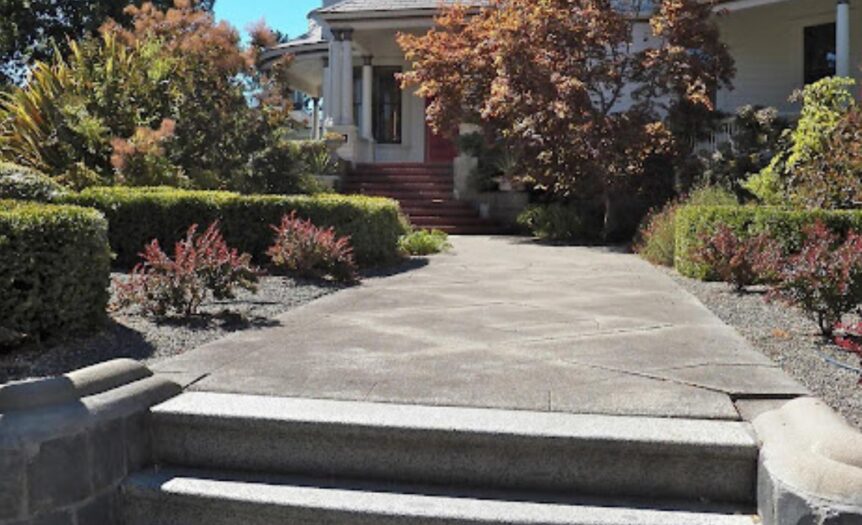
When you live at a higher elevation, it influences how you use your yard. The views from these heights are usually great, but your patio, garden beds, and gathering areas must meet the demands of the environment. Strong sun, dry air, shifting temperatures, and rocky ground will affect how your outdoor spaces hold up over time. However, these challenges can be manageable if you plan right. You can keep your outdoor area comfortable, useful, and good-looking by following these practical design considerations.
Understand the Climate Before You Build
Weather behaves differently at higher elevations compared to when you’re at sea level. Days can feel warm, then drop fast once the sun sets. It’s also common to experience snow loads, wind gusts, and intense sunlight. Due to this, it is important that your outdoor design choices consider the environment, and not just trends. Key climate factors to plan for include:
- Stronger UV exposure due to thinner air
- Wide temperature swings, even in summer
- Lower humidity that dries out soil and wood
- Heavy snow loads in winter
- Frequent wind, especially in open areas
Cities like Denver sit over 5,000 feet above sea level, so approaches such as those used in Denver landscape design often reflect these exact conditions.
Choose Materials That Can Take a Beating
Not all outdoor materials age well at high altitude. For instance, wood can crack faster, metal can corrode, and cheap finishes fade quickly under constant sun. Better-performing options include:
- Composite or capped polymer decking that resists fading and warping
- Stone pavers or poured concrete for patios and walkways
- Galvanized or stainless-steel fasteners to prevent rust
- Outdoor furniture made from aluminum, teak, or synthetic wicker
These materials cost more upfront, but usually save time and money on repairs later.
Pay Attention to Soil and Damage
High-altitude soil is often shallow, rocky, and low in organic matter. Drainage can be fast, which sounds good until plants dry out too quickly. Smart soil and water planning should include:
- Amending planting areas with compost to improve moisture hold.
- Using mulch to slow evaporation and protect roots.
- Installing drip irrigation instead of overhead sprinklers.
- Grading patios and decks to move water away from foundations.
Good drainage allows your plants to grow healthy, and it also protects hard surfaces from freeze-thaw damage.
Design for Sun, Shade, and Wind
Sun exposure is no joke at elevation. Furniture fades, surfaces heat up fast, and sitting areas can become uncomfortable by midday.

To make your outdoor spaces more usable:
- Add pergolas, awnings, or shade sails over seating and dining areas.
- Use windbreaks such as fencing, stone walls, or dense shrubs.
- Position seating so structures or the home itself blocks prevailing winds.
- Consider outdoor heaters or fire features for cool evenings.
These elements don’t need to dominate your space; partial coverage is enough to make a big difference.
Pick Plants That Want to Be There
Trying to force the wrong plants to survive rarely works. Native and region-adapted species are better suited to short growing seasons and dry conditions. Planting tips that work well at altitude:
- Choose native trees, shrubs, and grasses whenever possible.
- Select cold-hardy varieties that mature quickly.
- Start seeds indoors to get a head start on the season.
- Use rocks and walls to create warmer micro-areas for sensitive plants.
This approach cuts back on water use and ongoing maintenance.
Use Layout to Define How the Space Functions
Elevation changes are common on mountain and foothill properties. Instead of fighting them, use them. Multi-level decks or patios can:
- Separate dining, lounging, and cooking areas.
- Improve views from main gathering spots.
- Reduce the need for major grading.
- Create a natural flow without walls or barriers.
Even a single step up or down can give each area a clear purpose.
Endnote
Designing outdoor spaces for high-altitude living is primarily about making smart choices. The decoration part is secondary. When materials match the climate, layouts work with the land, and plants suit the environment, your outdoor area will be comfortable and last longer. Thoughtful planning will ensure your outdoors space blends with the environment.