

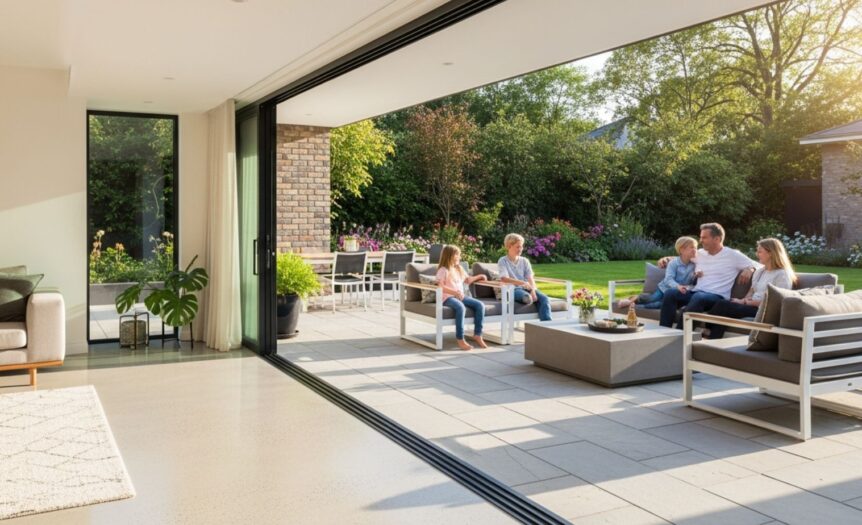
There’s something magical about blurring the line between inside and outside. Morning coffee on the patio with the doors wide open. Evening dinners where guests flow naturally between the kitchen and the backyard. Kids running in and out without it feeling like a production. This lifestyle is why so many homeowners invest in outdoor spaces. But making it actually work requires more than a nice deck and some furniture.
What Makes This Lifestyle Work
Indoor-outdoor living sounds simple. Open the doors and enjoy both spaces. Reality is messier. Noise from the street ruins your peaceful morning. Temperature swings make the transition uncomfortable. Harsh sunlight glares on your TV while bugs find their way inside. The dream clashes with practical problems that send you right back to closed doors and drawn blinds.
The homeowners who nail this lifestyle think systematically. They address the friction points that make open living annoying. Sound proofing for windows keeps exterior noise from invading your calm interior spaces. Proper door seals maintain comfort without sacrificing connection to the outside. Thoughtful lighting works day and night across both zones. These details separate homes that actually live this way from homes with expensive patios that rarely get used.
The good news is that most improvements aren’t complicated or outrageously expensive. Strategic upgrades to windows, doors, flooring, and lighting transform how your home functions. You don’t need a complete renovation. You need targeted solutions to specific problems. Let’s break down what actually matters.
Why Sound Proofing for Windows Matters More Than You Think
Big windows and glass doors are essential for an indoor-outdoor connection. You want to see your garden while cooking dinner. You want natural light flooding your living room. But glass is acoustically terrible. Every car, lawnmower, and barking dog comes right through. The visual connection to the outside brings an audio connection you didn’t want.
This tension frustrates homeowners constantly. They install beautiful picture windows facing the backyard, then realize they hear the neighbor’s pool party like it’s in their living room. The solution isn’t smaller windows. It’s better windows and proper treatment of the ones you have.
Less Traffic Noise, Same Natural Light
Acoustic performance and light transmission aren’t mutually exclusive. Modern window technologies deliver both. You just need to know what to look for.
Double-pane windows with a larger air gap between panes block more sound than standard units. The typical half-inch gap helps. Bumping to three-quarters or even one inch makes a noticeable difference. The air gap disrupts sound wave transmission while maintaining full transparency.
Laminated glass takes things further. A thin plastic interlayer between glass sheets dampens vibration and blocks sound more effectively than standard glass of the same thickness. This is the same technology used in car windshields. Applied to home windows, it reduces noise transmission significantly without affecting how much light enters.
Triple-pane windows offer the ultimate performance. Three glass layers with two air gaps create substantial sound blocking. They’re more expensive and heavier, requiring beefier frames. For rooms facing busy streets or noisy neighbors, the investment pays off in daily comfort.
None of these options reduces natural light meaningfully. You keep the bright, connected feeling while blocking the unwanted audio intrusion. The upgrade is invisible in daily use. You just notice that your home feels quieter.
Keep the View, Lose the Disturbance
Sometimes window replacement isn’t practical. Budget constraints, rental situations, or historic home restrictions might prevent it. Secondary solutions still deliver meaningful improvement.
Window inserts mount inside your existing window frame. They create an additional barrier with an air gap between the insert and the original glass. Companies like Indow make custom-fit acrylic inserts that install without permanent modification. Pop them in during noisy seasons. Remove them when you want windows open. Cost runs $200 to $400 per window, depending on size.
Acoustic curtains provide a budget-friendly option. Heavy, dense fabric absorbs sound and blocks some transmission. They won’t match proper acoustic glazing performance, but they help. The trade-off is losing your view when the curtains are drawn. For nighttime quiet or media room applications, this matters less.
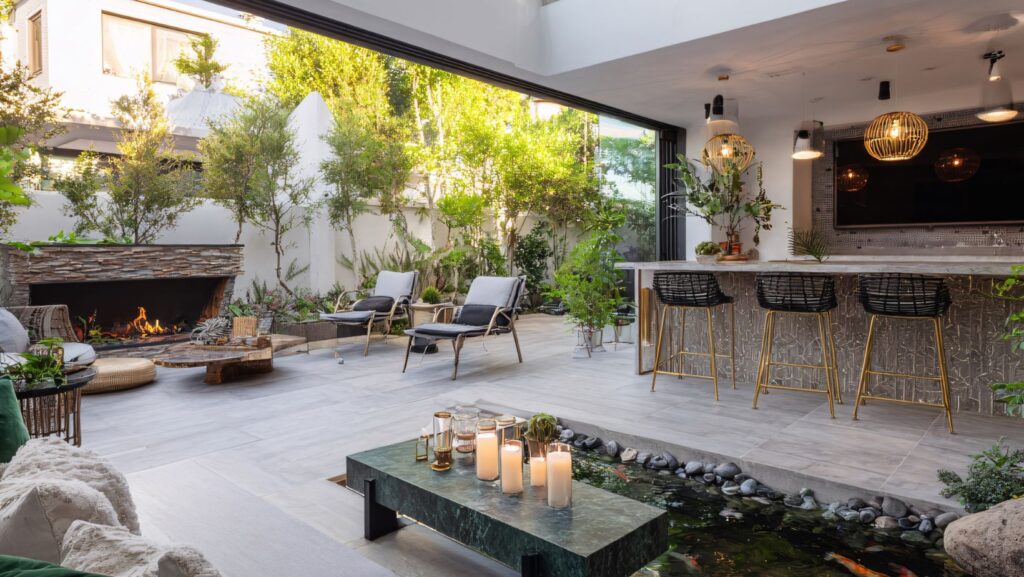
Exterior improvements help. Strategic landscaping with dense hedges or trees creates a natural sound barrier before noise reaches your windows. A solid fence blocks more sound than you might expect. Water features generate pleasant white noise that masks unwanted sounds. These approaches work with your windows rather than replacing them.
Patio Doors That Don’t Kill the Vibe
Your doors are the literal threshold between inside and outside. The right choice makes the transition seamless. The wrong choice creates a barrier that discourages use. Door selection affects aesthetics, functionality, acoustics, and energy efficiency all at once.
Most homeowners focus on appearance first. That’s backwards. Start with how you’ll actually use the door daily. Then find an attractive option within those functional requirements.
Sliding vs. French Doors
Sliding doors maximize glass area and require no swing clearance. They’re space-efficient and offer unobstructed views. Modern multi-panel systems can create openings 20 feet wide or more. The entire wall essentially disappears.
The downsides are worth considering. Sliding doors only open halfway at maximum. One panel always blocks part of the opening. The track collects dirt and debris that can impede smooth operation. Acoustic and thermal performance typically trails hinged alternatives because the sliding mechanism limits how tightly panels seal.
French doors swing open completely. Nothing blocks the opening when doors are fully retracted. They seal more tightly when closed, offering better acoustic and thermal performance. The traditional aesthetic suits many home styles beautifully.
The trade-offs matter too. French doors need swing clearance inside or outside. That’s wasted space in smaller rooms. Standard openings max around six feet wide. Anything larger requires multiple door pairs. Wind can catch open doors and slam them if not properly secured.
Bi-fold and accordion doors offer a middle path. Panels fold against each other to create wide openings like sliders while sealing more tightly like French doors. They’ve become increasingly popular for good reason. The mechanisms are more complex and potentially more prone to issues over time. Quality matters significantly with these systems.
Seals That Block Weather and Noise
Even premium doors underperform with poor seals. The gaps around door edges matter enormously for both acoustic and thermal performance. A beautiful door with daylight visible around the frame is failing at its basic job.
Weatherstripping should compress fully when doors close. Check yours by sliding a piece of paper around the perimeter. If the paper passes through easily, your seal has failed. Replacing worn weatherstripping costs under $50 for most doors and makes an immediate difference.
Threshold seals deserve attention. The gap where the door meets the floor causes problems. Adjustable thresholds let you fine-tune compression for a tight seal. Automatic door bottoms drop a seal when the door closes and retract when it opens. Either approach beats the gap most doors leave by default.
Multi-point locking systems pull doors tighter into their frames than single-point locks. This compression improves seal performance. Many higher-end patio doors include them standard. For existing doors, aftermarket multi-point locks can sometimes be retrofitted.
Don’t forget the frame-to-wall connection. The space between the door frame and the rough opening should be insulated and sealed. Spray foam or backer rod with caulk fills this gap properly. Many installers skip this detail. Check yours and fix if needed.
Staying Comfortable Year-Round
Indoor-outdoor living isn’t just a summer activity. The best setups work across seasons. Spring mornings with doors open. Summer evenings on the patio. Fall afternoons with that perfect cool breeze. Even winter days can benefit from a strong visual connection to the outside, even if the doors stay closed.
Temperature management makes or breaks year-round enjoyment. That wall of glass connecting you to your backyard also lets heat pour in during summer and escape during winter. Without addressing this, you’ll either roast, freeze, or pay enormous energy bills trying to compensate.
Low-E glass coatings reflect infrared heat while allowing visible light through. In summer, solar heat stays outside. In winter, interior heat stays inside. Most modern windows include some form of Low-E coating. If yours don’t, window film can add similar properties to existing glass for a fraction of replacement cost.
Overhangs and pergolas provide passive temperature control. A properly sized overhang blocks high summer sun while admitting low winter sun. This simple geometry reduces cooling loads dramatically without any ongoing energy cost. Pergolas with adjustable louvers let you tune sun exposure throughout the day and across seasons.
Ceiling fans in covered outdoor areas extend comfortable use by months. Moving air feels several degrees cooler than still air. A quality outdoor-rated fan costs $200 to $500 and uses minimal electricity. The comfort extension easily justifies the investment.
Patio heaters push the season even further. Propane units provide instant heat wherever you need it. Electric infrared heaters mount permanently and warm people directly rather than heating air. Both let you enjoy outdoor spaces on cool evenings that would otherwise drive you inside.

