

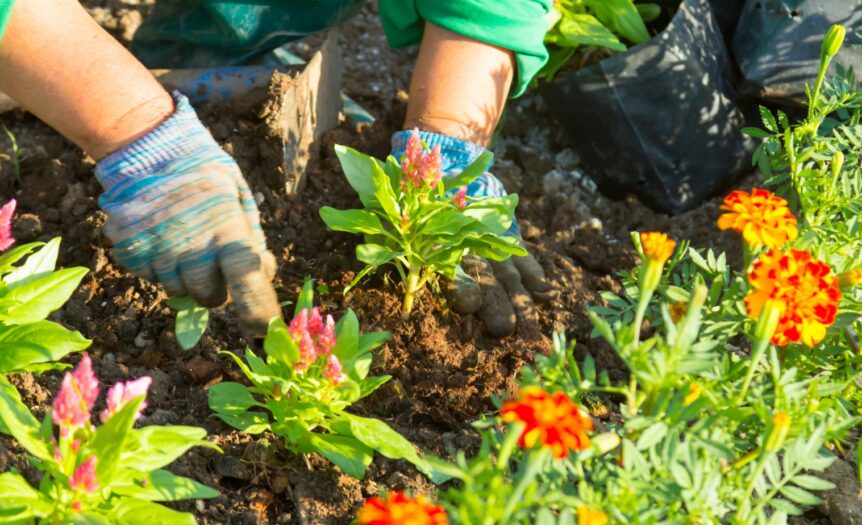
Living with roommates comes with its unique set of challenges and rewards, but one of the most fulfilling projects you can undertake together is creating a shared garden. Whether you’re working with a sprawling backyard or a modest balcony, designing a garden collaboratively can transform your living space into something special while strengthening the bonds between housemates. Here’s your guide to cultivating both plants and community in your shared living situation.
Start With a House Meeting
Before anyone picks up a shovel, gather your roommates for a conversation about the garden project. This initial meeting sets the foundation for everything that follows. Talk about each person’s level of interest, available time commitment, and gardening experience. Some roommates might be eager to get their hands dirty every weekend, while others may prefer a more hands-off role like watering or harvesting. Understanding these preferences from the start prevents resentment and ensures everyone feels their contribution is valued.
During this meeting, set a budget. Gardening can be as economical or extravagant as you make it, so decide collectively how much each person is willing to invest. Consider splitting costs evenly or creating a shared garden fund where everyone contributes what they can. Don’t forget to talk about ongoing expenses like soil amendments, seeds, and water.
If you’re searching for new roommates who share your passion for gardening, platforms like spareroom.com connect with like-minded roommates in Dallas, NYC, Las Vegas, or anywhere else in the US, who appreciate green spaces and sustainable living.
Assess Your Space and Conditions
Take a thorough inventory of your available gardening space. Walk around your yard or balcony at different times of day to observe sunlight patterns. Note which areas receive full sun (six or more hours), partial shade, or full shade. This information is crucial for plant selection and garden layout.
Consider your climate zone, soil quality, and water access. If you’re renting, check your lease agreement to ensure gardening is permitted and clarify any restrictions on permanent structures or modifications. Some landlords embrace tenant gardens as they improve property aesthetics, while others may have specific rules about what you can and can’t do.
Create Defined Spaces for Each Roommate
One of the most effective strategies for shared garden harmony is giving each roommate their own designated plot or container. This approach lets each roommate express their personal gardening style while maintaining accountability for their space. You might divide a larger bed into sections, assign different raised beds, or give each person their own collection of pots.
These personal spaces become mini laboratories where roommates can experiment with different plants, growing techniques, and design aesthetics. The creative freedom within individual plots often sparks friendly competition and knowledge sharing that benefits everyone’s gardening skills.
Establish Communal Areas
Beyond personal plots, designate communal spaces that everyone can enjoy and maintain together. This might include a herb garden near the kitchen door, a flower bed that enhances curb appeal, or a seating area surrounded by ornamental plants. Communal spaces create shared responsibility and give everyone a stake in the garden’s overall success.
Consider planting perennials in shared areas since they require less annual maintenance than vegetables or annuals. Herbs like rosemary, thyme, and oregano are excellent choices because they’re low-maintenance, useful in cooking, and provide year-round interest in many climates.
Develop a Maintenance Schedule
A beautiful garden requires consistent care, and nothing derails shared projects faster than uneven workload distribution. Create a rotating maintenance schedule that divides tasks fairly among all roommates. Include responsibilities like watering, weeding, pruning, and pest management.
Use a shared digital calendar or a physical chart in a common area to track who’s responsible for what and when. Build in flexibility for busy periods like exams or work deadlines, and encourage roommates to trade duties when schedules conflict. Some households find success with weekly garden sessions where everyone works together for an hour or two.
Choose Compatible Plants
Select plants that match your collective skill level and time availability. If most roommates are beginners, start with forgiving varieties like tomatoes, basil, zucchini, marigolds, and succulents. These plants tolerate minor neglect and still produce satisfying results.
Pay attention to each plant’s water and sunlight requirements to group compatible species together. This companion planting approach simplifies maintenance and can improve plant health. For instance, tomatoes, basil, and peppers thrive in similar conditions and can share the same bed.
Handle Harvests Fairly
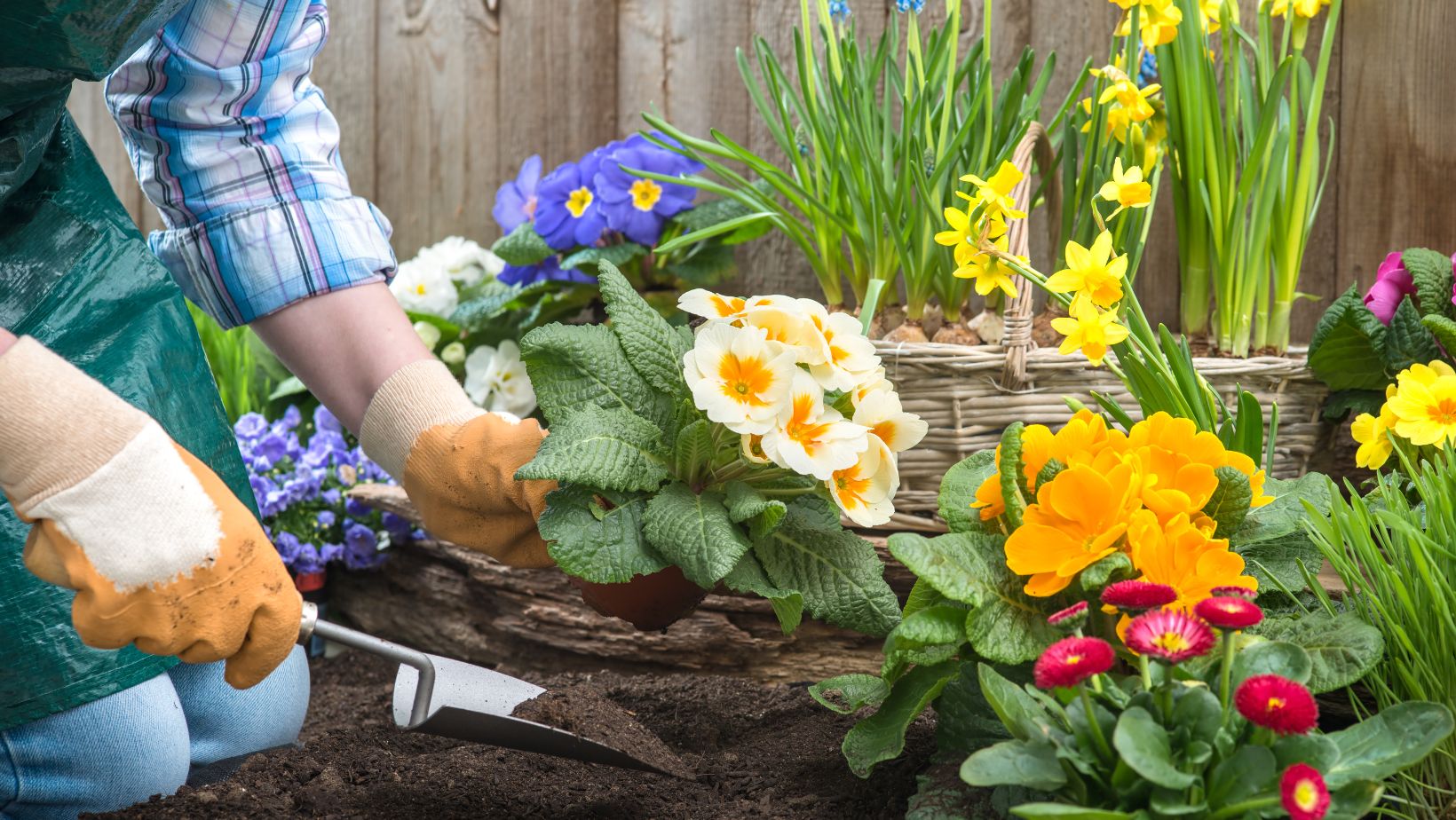
Few things cause roommate friction faster than someone harvesting more than their fair share of garden produce. Establish clear guidelines about harvesting from personal plots versus communal areas. A simple rule might be that individuals have full rights to their personal plot harvests, while communal area yields are shared equally or available on a first-come basis.
For households that produce abundant harvests, consider organizing weekly harvest distributions or creating a shared kitchen space where everyone contributes garden produce for communal meals. This approach maximizes the social and culinary benefits of your gardening efforts.
Document and Learn Together
Keep a shared garden journal where roommates can record what they planted, when, and how it performed. Note successes, failures, pest problems, and weather patterns. This collective knowledge base becomes invaluable for future seasons and helps everyone learn from the group’s experiences.
Consider taking photos throughout the growing season to document your garden’s evolution. These images serve as both practical records and sources of pride that you can look back on together.
Conclusion
Designing a shared garden with roommates is about cooperation, communication, and community. If you set clear expectations, divide spaces fairly, and communicate with your roommates, you’ll create a garden that brings beauty, fresh produce, and stronger relationships to your shared home. The effort you invest in planning and maintaining your garden together will yield rewards far beyond what grows in the soil, creating memories and skills that last well beyond your time as roommates.