

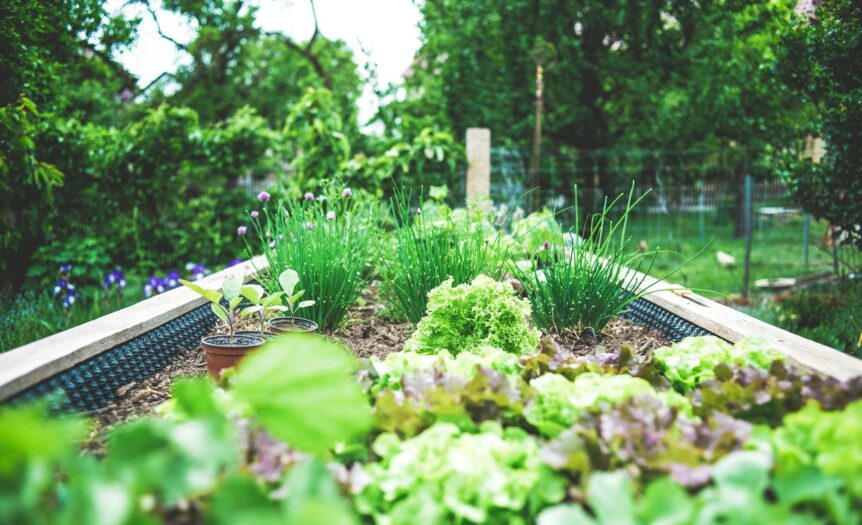
Growing vegetable seeds to seeing the vegetables on a plate is one of those things that sounds harder than it actually is, but honestly, it’s brilliant. There’s something quite special about watching a tiny seed turn into something you can actually eat. And yes, you get lovely fresh vegetables at the end of it all, but it’s the process itself that’s genuinely satisfying. If you’ve never tried it before, I know it can feel a bit overwhelming, but really, with a bit of planning and patience, you’ll be surprised at how well it goes. Let me walk you through the whole thing, from picking your seeds right through to eating what you’ve grown.
1. Selecting the Right Seeds
First things first: you need to choose which vegetables you’re going to grow. What you pick depends on where you live, what time of year it is, and how much space you’ve got to work with. If you’re just starting out, go for the easy stuff that’ll forgive a few mistakes – things like lettuce, carrots, or peas. They grow fairly quickly and don’t need much fussing over.
Space is worth thinking about too. Tomatoes and courgettes like to spread themselves out a bit, whilst radishes and lettuce are quite happy in smaller spots or even pots. Match your vegetables to your local conditions as well. Some things, like peas and lettuce, are fine with cooler weather, whilst tomatoes really need warmth. And timing matters – loads of vegetables can go straight into the ground in early spring, but others need starting off indoors first. The seed packet usually tells you everything you need to know.
2. Preparing the Soil
Right, you’ve got your seeds sorted. Now you need to get the soil ready, and this bit’s actually quite important. Healthy soil is basically the whole foundation of your vegetable garden.
Start by clearing away any weeds, rocks, or random rubbish. Weeds are particularly annoying because they’ll nick all the nutrients your vegetables need. Once that’s done, it’s worth testing your soil to see if it’s any good for growing veg. Most vegetables prefer soil that’s slightly acidic to neutral. If it’s too acidic, chuck some lime on it; if it’s too alkaline, adding organic matter should sort it out.
Compost or well-rotted manure is your best friend here. Mix some into your soil and you’ll improve the texture, boost the nutrients, and help with drainage all at once. If you’re using raised beds or containers, make sure you’ve got decent quality compost that’s meant for vegetable growing. Raised beds are actually rather good because the drainage is better and air gets around the roots more easily.
3. Sowing and Transplanting
Time to get those seeds in. You’ve basically got two options: sow them straight into the ground, or start them off indoors and move them outside later.
For quite a few vegetables – peas, carrots, radishes and the like – you can just pop them straight into the soil. Plant them at whatever depth the packet suggests, cover them with a bit of soil, and make sure you space them out properly so they’re not fighting each other for room.
If you’re growing things like tomatoes or peppers that need a longer season, start them indoors in seed trays about six to eight weeks before the last frost. Once they’ve got a bit of size to them, you can move them outside. When you’re transplanting, be gentle with the roots. Dig a hole that’s big enough for the whole root ball, and water it well once it’s in to help the soil settle.
4. Watering and Feeding
Watering is probably the trickiest bit to get right. Plants obviously need water, but there’s a real balancing act between too much and too little. Give them too much and you risk rotting the roots; not enough and they just won’t grow properly.
As a rough guide, vegetables need about an inch of water a week, but that can change depending on the weather. Early morning or evening is the best time because less of it evaporates in the sun. Always water at the base of the plant rather than from above – it helps prevent fungal problems and makes sure the water actually gets to the roots.
Your plants need feeding as well as watering. As they grow, they’ll use up nutrients in the soil, so you need to top them up. A balanced fertiliser every few weeks does the job nicely. Organic options like compost work well too.
5. Managing Pests and Diseases
You will get pests. It’s just part of gardening, I’m afraid. But if you keep an eye on things and catch problems early, you can usually sort them out before they get serious. The usual suspects are aphids, slugs, and caterpillars.
There are loads of ways to deal with pests – sometimes you can just pick them off by hand, or use insecticidal soap, or put up barriers like netting. Companion planting is quite clever too, where you grow certain plants together because they either put pests off or attract helpful insects.
Preventing diseases is mostly about good practice. Rotate your crops each year, make sure air can circulate around your plants, and get rid of any diseased bits straight away. Mulch helps as well because it reduces the risk of soil-borne problems.

6. Harvesting and Enjoying Your Produce
After all those weeks of looking after everything, you finally get to harvest. Each vegetable has its own perfect picking time. Leafy things like lettuce can be picked once they’re a decent size, whilst root vegetables like carrots want to be left until they’re fully grown.
When you’re harvesting, use something sharp to cut the vegetables off cleanly without damaging the plant. Some things will keep ripening after you pick them, whilst others should really be picked when they’re ready. Once you’ve got your harvest in, well, that’s the best bit isn’t it? Cooking with vegetables you’ve grown yourself is genuinely lovely.
Conclusion
Growing your own vegetables from start to finish is honestly one of the most rewarding things you can do. You get fresh food, obviously, but there’s more to it than that. It connects you with the natural world in a way that’s quite grounding, and there’s real pleasure in growing something. Choose the right seeds, look after your soil, care for your plants, and you’ll be amazed at what you can harvest. Happy gardening!

