

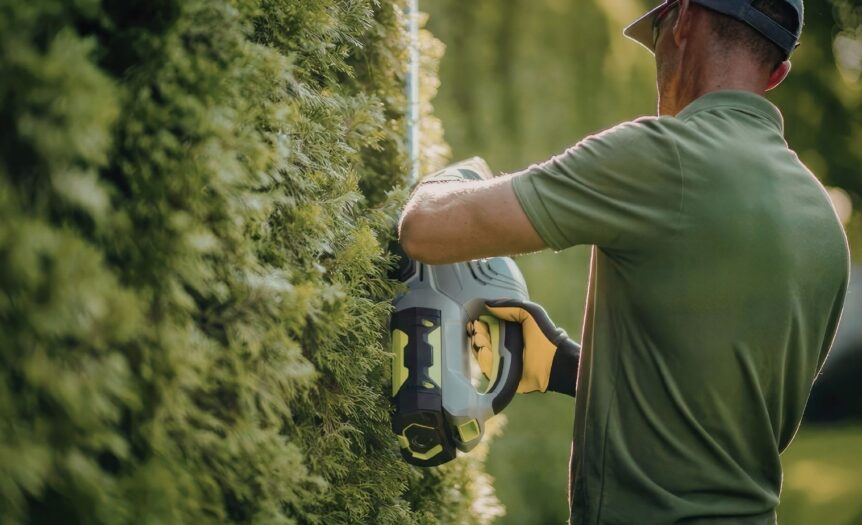
There’s a certain satisfaction that comes with neatly trimmed hedges. Clean lines, tidy edges, and that sense that your garden is properly “put together” once again. But if your hedge trimmer has started tearing rather than cutting, or feels like it’s working twice as hard as it used to, the issue likely isn’t your technique.
More often than not, it comes down to wear and tear.
Like any hardworking garden tool, hedge trimmers really get put through their paces over the course of a season. And while they’re (usually) built to last, their performance depends heavily on the condition of a few key components. Knowing when to maintain (and when to replace with hedge trimmer parts) can save you plenty of time, effort, and money in the long run. So, let’s get into it.
Why Hedge Trimmers Lose Performance Over Time
Even if you only use your hedge trimmer occasionally, it’s exposed to sap, dust, moisture, and friction every time it’s in action. Over time, this leads to:
- Gradual dulling of blades
- Build-up of sticky residue between teeth
- Increased strain on the motor
- Loosening or wear in moving components
And what happens then? Slower cutting, uneven finishes, and a machine that feels like it’s fighting against you rather than working with you.
The Most Common Hedge Trimmer Parts That Wear Out
If you’re not feeling good about how your trimmer is operating, these are the first areas worth checking:
1. Blades
Blades are the most important part of your hedge trimmer. When they’re sharp, they slice cleanly through growth. When they’re dull, they tear and snag – which is not only inefficient, but can also damage your plants.
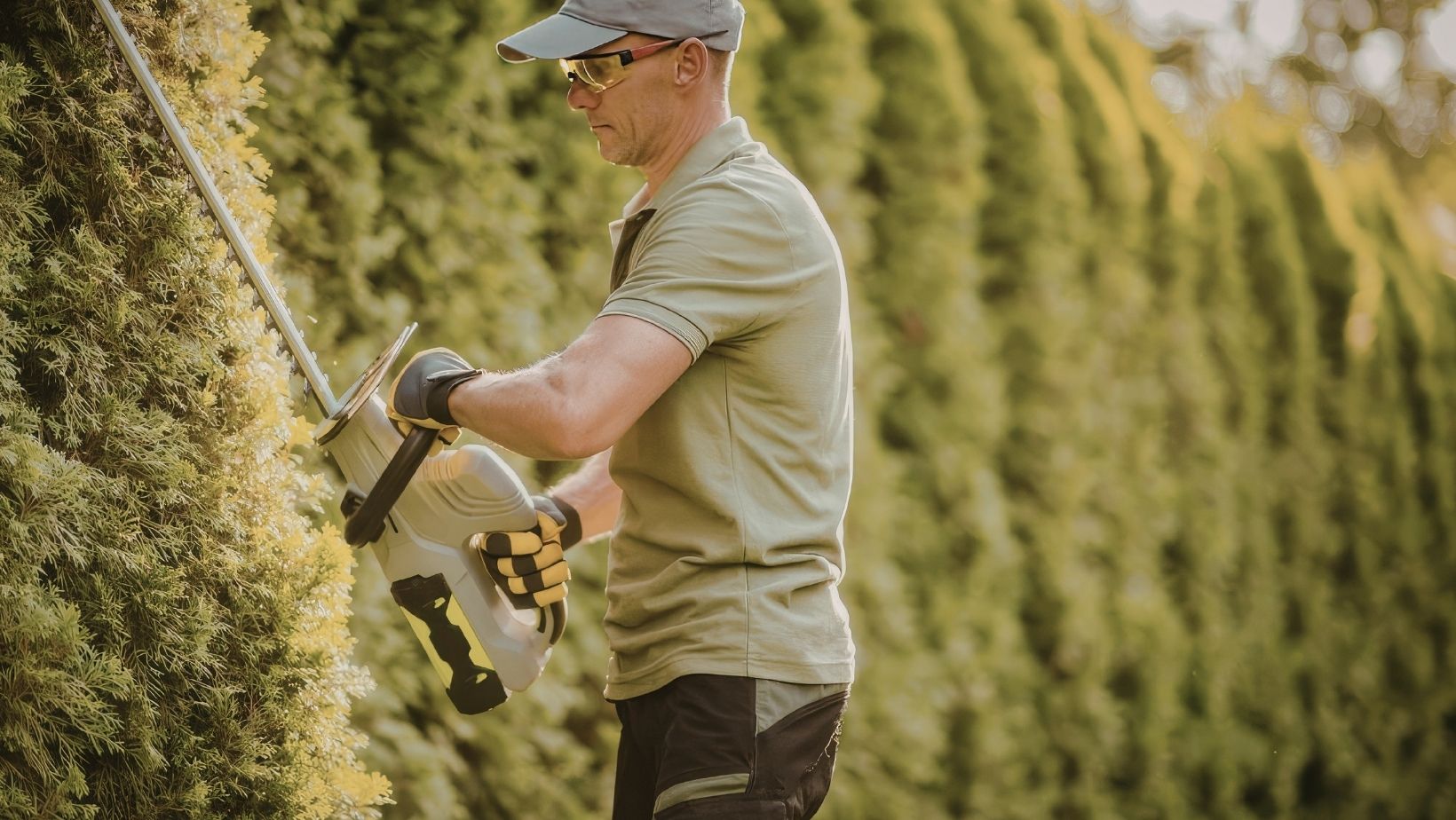
If sharpening no longer improves performance, it may be time to replace them altogether.
2. Gearbox Components
The gearbox transfers power from the motor to the blades. Over time, the force that hits the blades (or vibrates through them) can reduce efficiency or cause unusual noises and vibrations.
A struggling gearbox will often show up as cutting power that’s not quite what you need it to be, even if the motor itself is still running smoothly.
3. Filters (for petrol models)
Air filters can quickly clog with dust, sand and other fine debris, especially during dry cutting conditions. A blocked filter restricts airflow, which affects the performance of the engine, as well as its fuel efficiency.
Regular cleaning helps, but filters eventually need replacing, so keep in mind that this will need to be done, whether or not you take tip-top care of your trimmer.
4. Spark Plugs
If your hedge trimmer is becoming harder to start or runs inconsistently, a worn spark plug could be the culprit. It’s a small, inexpensive part – but one that makes a big difference.
5. Drive Mechanisms & Cables
Over time, cables can stretch, and internal drive components can wear down. This leads to delayed or uneven blade movement, which often shows up as a lag between when you pull the trigger and when the blades start responding.
When Maintenance Isn’t Enough
There comes a point where no amount of cleaning, oiling, or sharpening will quite bring your hedge trimmer back to life. If it’s still struggling after a bit of care, it’s usually a sign that some of the working parts have simply reached the end of their lifespan.
Here are a few tell-tale signs to look out for:
- You find yourself pushing harder than usual just to get through routine cuts
- Instead of neat slices, your trimmer is leaving behind ragged, torn edges
- It’s vibrating more than normal or making unfamiliar noises
- Starting it becomes a bit of a battle, especially in cold
- Even after a clean and basic maintenance, it still feels underpowered
If any of these sound familiar, it’s probably time to look beyond maintenance and start replacing worn components. The good news is that this is often far more affordable (and far less wasteful) than replacing the entire machine.
Simple Habits to Extend the Life of Your Hedge Trimmer
Of course, prevention is always better than a cure. A few small habits can dramatically extend the lifespan of your machine:
- Clean blades after every use to prevent sap build-up
- Lubricate regularly to reduce friction and wear
- Check tension and fittings to catch issues early
- Avoid cutting overly thick branches beyond the tool’s capacity
- Store in a dry place to prevent rust and corrosion
These steps take minutes, but can add years to your trimmer’s life.
Keep Cutting Cleanly
A well-maintained hedge trimmer doesn’t just make gardening easier – it improves the health and appearance of your plants, too. Clean cuts heal faster and look better, while a struggling machine can do more harm than good.
So if your hedge trimmer isn’t quite performing like it used to, don’t ignore the signs. A simple parts replacement could be all it takes to bring it back to life – and make your next garden tidy-up far more satisfying.