

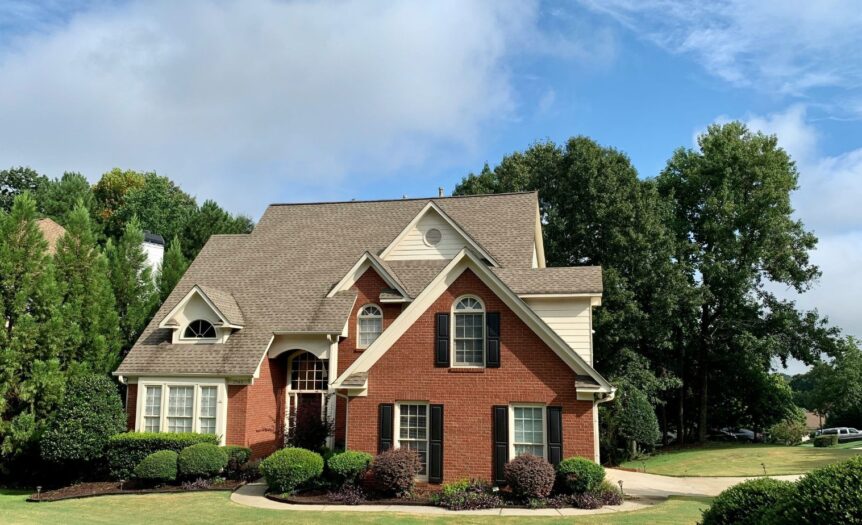
Buying your first home is exciting, but stepping into a yard of bare soil, patchy grass, or overgrown shrubs can feel overwhelming. A completely blank outdoor space doesn’t have to be complicated or expensive. If you’re a first-time homeowner, here are beginner-friendly tips to help you create a yard that looks good, functions well, and continues to improve as it grows over time.
Start by Understanding Your Yard
Before buying plants or sketching designs, take time to observe your outdoor space. Observe the amount of sunlight different areas get throughout the day. Notice that some sections may get sun, while others stay shaded for hours. This matters as plants that thrive in sunlight may struggle or fail in shade, influencing the overall health of your yard.
Make sure to check how water behaves after rain. Does it pool in certain spots? Does it drain quickly? These clues can help you avoid planting in areas that are too wet or too dry. Understanding your yard’s conditions can significantly save you time, money, and frustration later.
Think Function Before Style
One common mistake first-time homeowners make is focusing only on how landscaping looks. Instead of solely dwelling on the aesthetics, think about how you want to use your yard. Do you want a quiet place to relax uninterrupted? A patio for entertaining?
Once you know the purpose of your yard, design decisions become easier. For instance, high-traffic areas need durable surfaces like grass alternatives, pavers, or gravel, while quiet corners can feature plants, seating, or garden beds.
Keep Your First Landscape Simple
You don’t need an elaborate plan to start landscaping. Simple layouts with clean lines and fewer plant varieties are easier to maintain and more forgiving for beginners. Choose plants that are known to be strong in your climate and avoid planting too many different species at once.
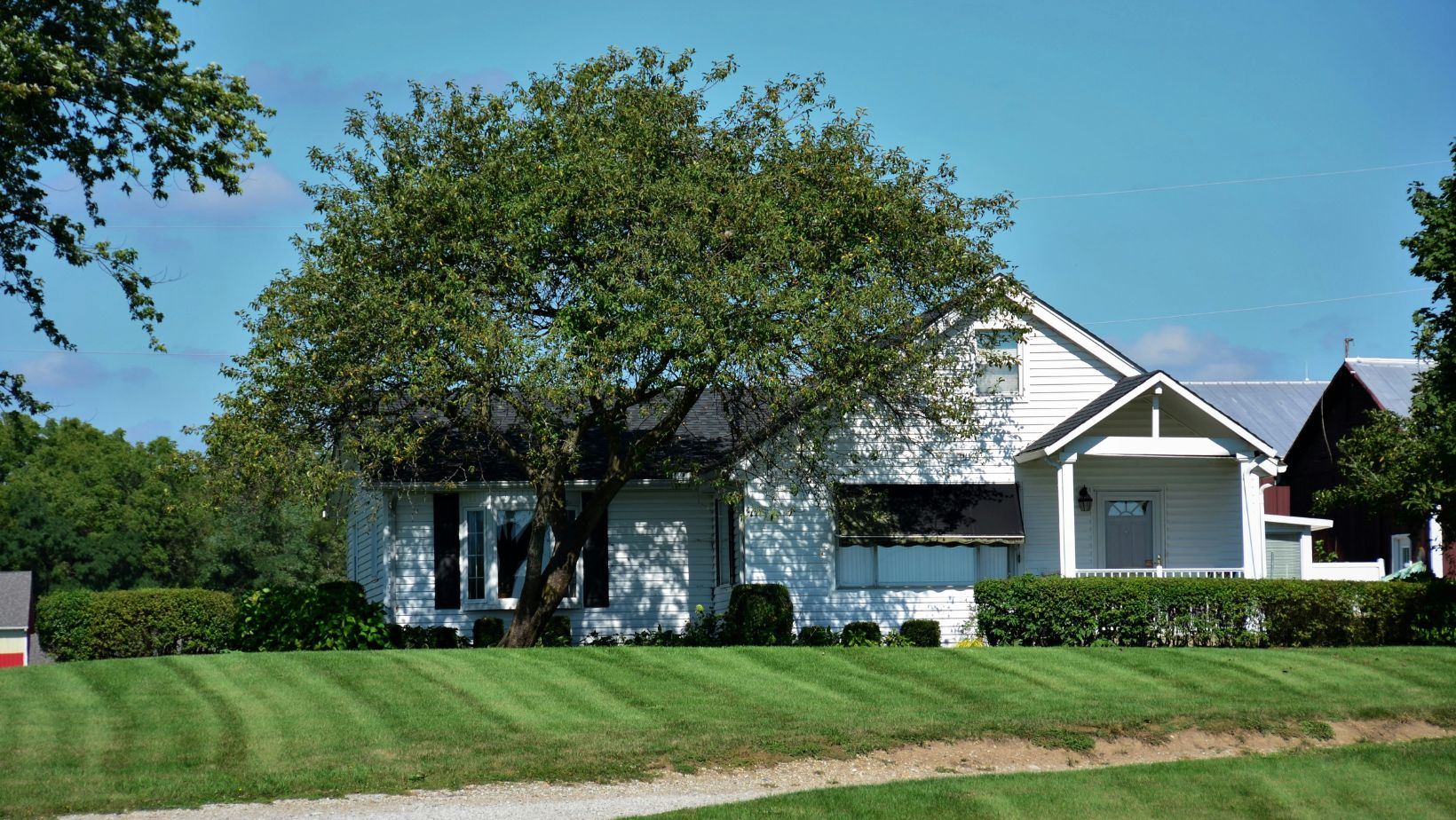
Take time to explore professional works for inspiration, such as those created by Masters landscape design, but make sure to scale your ideas to what you can realistically maintain. A simple, healthy yard will always look better than a complex design that’s hard to keep up with.
Choose the Right Plants
Plant selection is where many beginners struggle. Focus on plants that are labeled “low maintenance,” “native,” or “drought tolerant”. These varieties are more likely to survive mistakes and require less watering and pruning.
Trees and shrubs should be chosen carefully, considering their mature size and not how they look in the pot. Planting something too large too close to your home or fence can create significant problems later.
Budget and Pace Yourself
Landscaping should not be a one-time endeavor. In fact, spreading projects over time can help you learn what works and what doesn’t. Remember to start with the basics, which include lawn health, soil improvement, and defining garden beds, then add plants, features, or decor gradually. Set a realistic budget and prioritize improvements that offer the most significant impact, such as enhancing curb appeal in the front yard or improving comfort in the backyard.
Acknowledge that Maintenance is Part of the Plan
Every landscape requires a certain level of care and maintenance. When planning, ask yourself how much time you’re willing to spend on upkeep. If low-maintenance is your goal, reduce lawn areas, use mulch to control weeds, and choose slow-growing plants. Smart planning now can save you hours of work later.
Endnote
Landscaping your first home is a learning process, not a one-time project. Start small, pay attention to your yard’s needs, and don’t be afraid to adjust as you go. With patience and thoughtful choices, your outdoor space can grow into something both functional and enjoyable, one step at a time.

