


Metal buildings have gained popularity for their durability, versatility, and design flexibility. However, their efficiency often comes into question, particularly in terms of energy consumption and comfort. Effective insulation plays a crucial role in addressing these issues. Let’s delve into the various strategies you can implement to enhance the efficiency of metal structures through insulation.
1. Understand the Insulation Options Available
When it comes to insulating metal buildings, it’s essential to choose the right type of insulation suited to your specific needs. Insulation options generally fall into three categories:
• Fibreglass: Lightweight, non-combustible, and resistant to moisture, fibreglass is an economical choice for general insulation needs.
• Spray Foam: Known for its superior sealing properties, spray foam insulation provides excellent thermal resistance and air-tightness, making it ideal for metal buildings.
• Reflective or Radiant Barrier: Useful for buildings exposed to intense sunlight, these materials reflect heat away, helping to maintain cooler internal environments.
Each insulation type has its pros and cons, and selecting the appropriate one can dramatically influence your building’s overall efficiency. For comprehensive insights on insulation types and installations, resources like bluetexinsulation.com can be invaluable.
2. Focus on Thermal Bridging
What is thermal bridging? This phenomenon occurs when heat flows through more conductive materials, such as metal, bypassing insulation. In metal buildings, thermal bridging can significantly undermine insulation efficiency.
To mitigate this issue:
• Use Continuous Insulation (CI): Adding continuous insulation can sheath the entire building, reducing the amount of thermal bridging. This can be installed on the exterior, providing a thermal blanket that helps to limit energy loss.
• Strategically Place Insulation: Position insulation around beams and columns where thermal bridges occur, so these heat-loss points are effectively covered.
3. Seal Gaps and Cracks
Even the most high-quality insulation cannot achieve maximum efficiency if air leaks are present.
• Conduct an Energy Audit: Identify gaps around doors, windows, and areas where materials meet. Look for signs of air leakage, such as drafts or fluctuating indoor temperatures.
• Seal Integrally with Insulation: Use caulk, foam sealants, or weatherstripping to close these gaps. By applying a continuous seal around the building envelope, you not only improve the building’s thermal performance but also prevent moisture intrusion that can lead to mould and degradation of structural components.
4. Consider Insulation Thickness
Thickness plays a crucial role in insulation effectiveness. One common misconception is that thicker insulation directly correlates with better energy performance. However, it’s essential to balance insulation thickness with the unique requirements of your metal building.
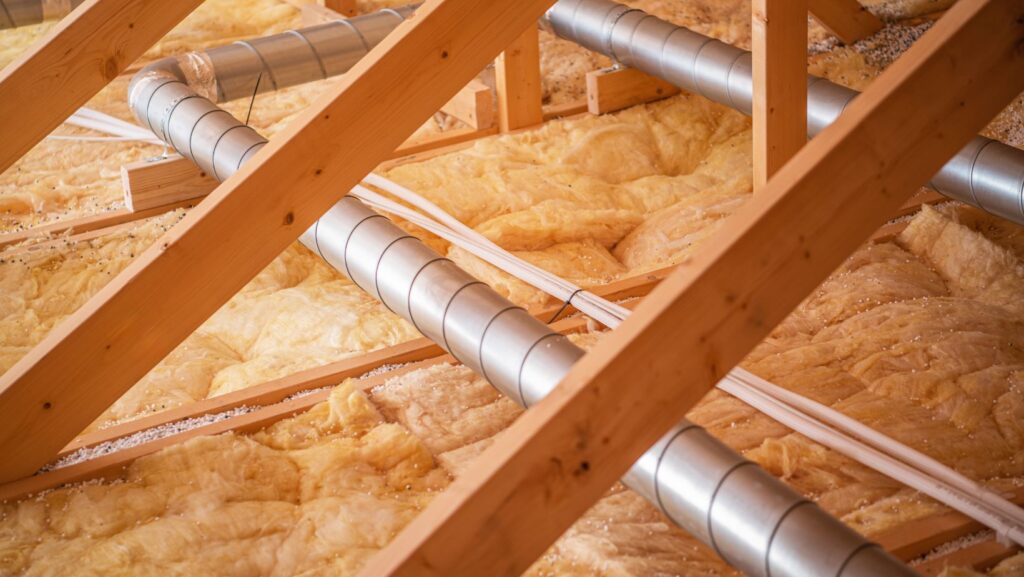
• Local Climate: In colder climates, more substantial insulation is generally advisable. Conversely, for moderate climates, excessive thickness might lead to diminishing returns.
• Building Use: For spaces that require specific temperatures—like data centres or breweries—consider investing in thicker insulation to achieve the desired internal climate efficiently.
Using the right thickness can significantly reduce heating and cooling demands, leading to lower energy costs and increased comfort.
5. Address Roof Insulation
The roof is often the most significant source of heat loss in a metal building. Investing in effective roof insulation can provide immediate benefits.
• Choose Insulation that Fits Your Roof Type: Given that metal roofs can reflect sunlight, pairing them with reflective insulation can enhance energy efficiency.
• Insulated Roof Panels: These panels come with built-in insulation and can help streamline the installation process while maintaining structural integrity.
Additionally, consider incorporating green roofs or solar panels, which can further improve thermal performance and create sustainable energy solutions.
6. Regular Maintenance and Assessments
Insulation’s efficiency can evolve over time due to various factors, including wear, moisture accumulation, or damage from pests. Regular assessments can help to detect and rectify issues before they compromise building efficiency.
• Scheduled Inspections: Regularly inspect insulation for any signs of degradation. Look for water stains, pests, or areas that are not performing optimally.
• Keep Records: Document maintenance routines to identify patterns and to understand which areas require more attention.
By implementing a proactive maintenance strategy, you ensure that your building operates at peak efficiency over its lifespan.
The Takeaway
Insulating a metal building isn’t merely an optional feature; it’s a crucial aspect of creating a comfortable and energy-efficient environment. By understanding insulation types, addressing thermal bridging, sealing air leaks, choosing the right thickness, focusing on roof insulation, and prioritising regular maintenance, one can significantly improve the efficiency of metal structures.
As energy costs continue to rise and sustainability becomes ever-more critical, the importance of effective insulation only grows. Taking these steps not only enhances the building’s efficiency and longevity but also contributes to a more sustainable future.

