
In today’s world, the way you present your rental property directly impacts how quickly it rents, the quality of tenants that you attract, and ultimately, the returns that you receive. While location and rental price may be more important to tenants than decoration, they increasingly expect properties to be modern and move-in ready. And in 2026, that expectation has only grown stronger.
A few smart, affordable updates can make your rental significantly more attractive, help you justify a higher asking price, and reduce vacancy periods. This year’s decorating trends lean toward durable materials, timeless aesthetics, and changes that are sure to appeal to most prospective renters without alienating them. With that in mind, continue reading below as his article breaks down the rental home-decorating trend for 2026.
What’s Shaping Rental Decor in 2026
1. Influence of Sustainability and Eco-Conscious Design
Nowadays, more and more tenants expect to find sustainable solutions when renting; sustainability is no longer just a catchphrase. By providing sustainable features, you are well ahead of most landlords in your area.
This doesn’t mean you need to install solar panels or overhaul your plumbing. Small, visible choices go a long way. However, there are small visible options available. Low-VOC paint is a good example, as it will be appreciated by anyone with children or allergies. Energy-efficient lighting will also reduce utility bills and can be listed as a selling point. Bamboo flooring, recycled countertops, and water-saving fixtures are all gaining popularity and withstand the wear and tear of tenancy.
Younger renters, who now make up a significant share of the market, tend to factor environmental impact into their decisions. You don’t need a huge amount of money to meet these tenants at least, but you do need to carefully consider which improvements and updates to make to the properties. According to a property management company in Washington DC, these trends help reduce property damage while allowing tenants to feel at home.
2. Creation of Multifunctional Living Spaces
Renters know that remote work isn’t going away, and many spend most of their day at home. Renters are now working, exercising, and cooking all in the same space, creating greater demand for multifunctional living areas.
The result is that a living room that functions exclusively as a living room is beginning to seem restrictive to the average tenant. Tenants are now searching for layouts and features that serve multiple purposes, such as a desk area, a space that can function as a home gym, and a dining area that can transform into a workspace. However, finding one’s home decorating style allows tenants to personalize their space without potentially risking their security deposit.
There’s no need to redesign your entire layout. Even small, thoughtful details, such as built-in shelves or sufficient electrical outlets in overlooked corners of the room, can signal to potential tenants that the property has been designed for everyday use.
Importance of Creating a Lease Clause About Decor
Damage vs Personalization
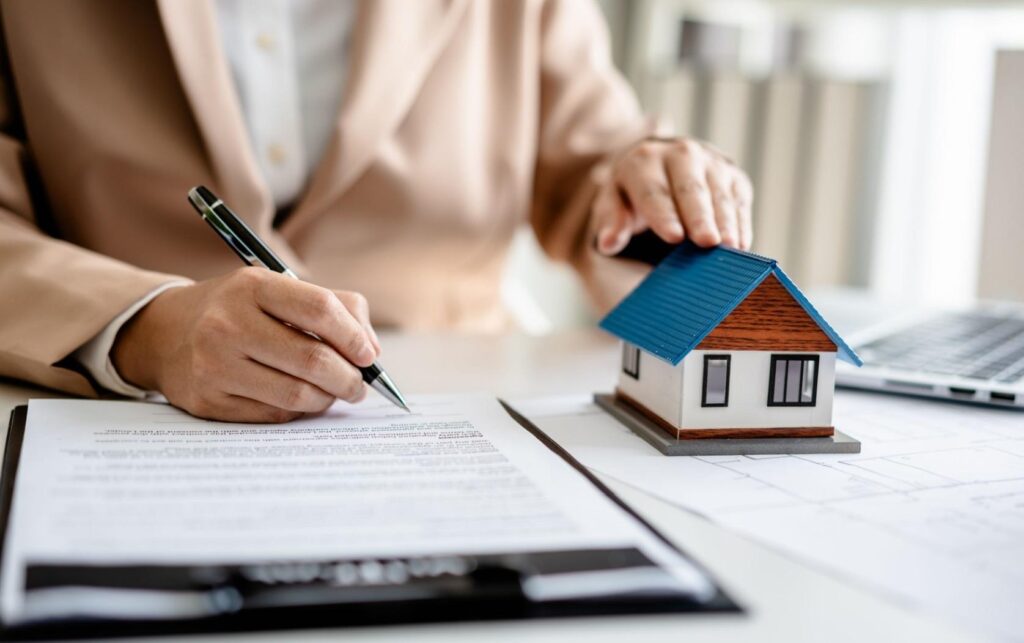
Before you embrace any decorating trend, there’s one thing worth getting ahead of, and that is your lease. If your lease does not explicitly outline what tenants are allowed to do or not do to make their apartment unique, you will likely have disputes that could have been avoided.
Tenants may not be clear on where the line is between personalization and damage. A landlord can see a tenant’s gallery wall as a patched-up nightmare, while a tenant sees it as part of personalizing the space. It becomes far more difficult than it should be to prove that something qualifies as damage rather than regular wear and tear if your lease is unclear.
A good decor clause doesn’t have to be restrictive or off-putting. Tenants can still have the ability to decorate and make their own home without damaging your property. For example, you can specify how tenants can hang pictures and other decor, limit the colors of paint they can use, or require tenants to get written permission for any permanent changes. Getting this clause right from the start saves you the awkward, expensive conversation later.
How Decorating Benefits Tenant Experience and Property Value
Your rental’s appearance plays an important role in determining how long your tenants will stay and how much they will pay. Tenants who feel comfortable and proud of where they live are less likely to leave at the first opportunity. This is particularly important for many landlords to understand because each time a rental is vacant, they lose money. A well-decorated and presented rental home will reduce the likelihood of vacancy.
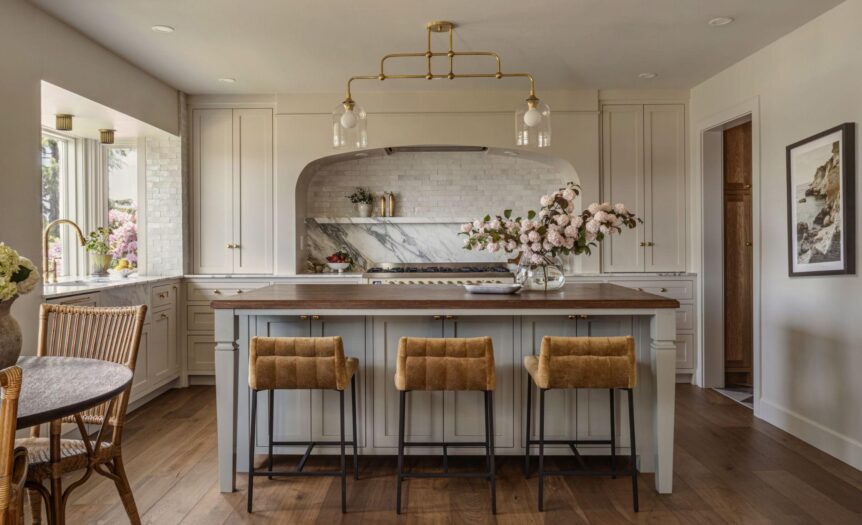
Even small aesthetic improvements can significantly impact the perceived value of your property during listings and viewings. Cohesive finishes, modern amenities, and good lighting enhance your rental photos, attract more qualified applicants, and give you greater negotiating power over the price. Appearance is only one aspect of decorating. When done well, it’s one of those quieter investments that yields long-term returns and tenant retention.
Conclusion
Keeping up with decorating trends doesn’t have to feel overwhelming or expensive. The majority of what works in 2026 comes down to being intentional and implementing changes that benefit your renters while protecting your investment. The landlords who stay ahead aren’t necessarily spending more just for decorations. Whether you start with a lease clause or swap out your lighting, every small step moves your property in the right direction.