

Quick Answer
A few ants near a windowsill are normal, but steady trails, small piles of sawdust or soil, and ants returning after you clean point to a colony. Carpenter ants and pavement ants are the usual culprits in local homes. If sightings keep coming back despite your best efforts, or you spot wood damage, it’s time to bring in a licensed pest professional before the problem spreads.
Introduction
You wipe down the kitchen counter, toss the crumbs, and feel good about it. The next morning, a thin line of ants is marching across the same spot as if nothing happened. Sound familiar?
That return trip is one of the clearest hints that a colony has settled in nearby, and dealing with it early saves a lot of grief. Many homeowners start by searching for ant infestation signs in Calgary before they realize how quickly a handful of scouts can turn into a full household problem.
Our long winters and warm, busy summers create the perfect rhythm for ants to nest outdoors and forage indoors. Knowing what to watch for, and when a quick fix without the ant exterminator in Calgary simply won’t cut it, helps you protect your home before small piles of dirt become a costly repair.
How to Spot the Early Warning Signs of an Ant Problem
A single ant wandering across the floor is rarely a crisis. The trouble starts when that lone scout reports back and brings the whole colony along for the ride. Reading the early signals gives you a real head start, because ant numbers grow fast once a food source is found. Most home invasions follow a few clear patterns, and the sooner you catch them, the easier the fix.
Ant Trails, Nests, and Wood Shavings to Watch For
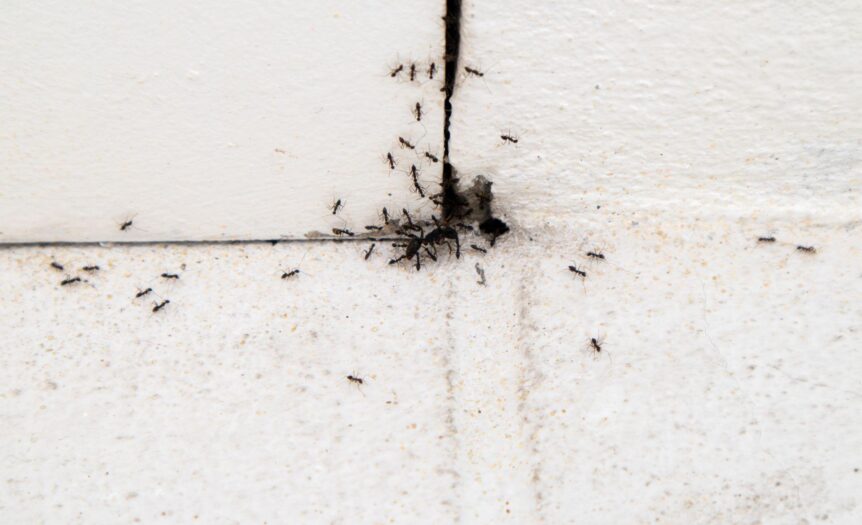
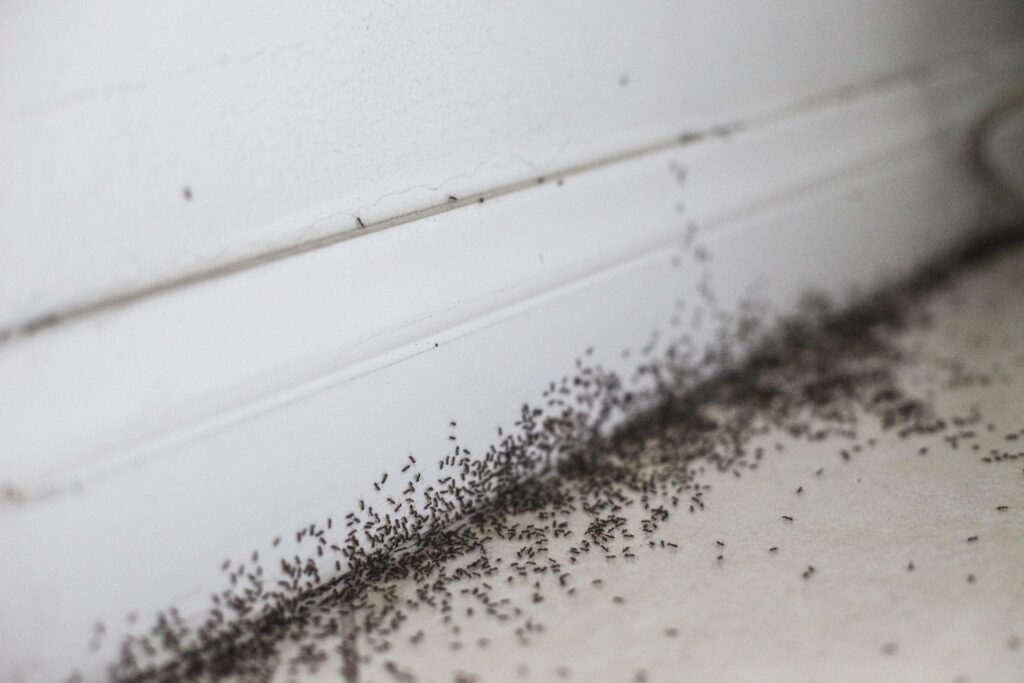
Ants travel in tidy, organized lines along pheromone paths that guide workers between the nest and your pantry. Once you can see a steady trail, the colony is already established, not just arriving. Watch for these common indicators around the house:
- Marching lines along baseboards, countertops, or window tracks, especially heading toward food or water
- Small dirt mounds near foundations, sidewalks, or patio cracks that signal nesting below the surface
- Sawdust-like shavings, also called frass, are piled near wooden beams, door frames, or floors
- Discarded wings on windowsills, which appear after a mature colony sends out winged ants to breed
- Faint rustling sounds inside the walls, a clue that a large nest is tunnelling through the wood
Indoor soil piles deserve extra attention. They suggest ants are nesting beneath your home rather than simply visiting from outside, and that points to a deeper problem.
Common Ant Species Found in Local Homes
Not every ant behaves the same way, so identifying the species matters for choosing the right approach. Two types cause the most headaches in homes across the region, and they call for different responses. Effective ant control services in Calgary always begin with proper identification before any treatment starts.
|
Ant Type |
What You’ll Notice |
Why It Matters |
|
Carpenter ants |
Large, dark, often near-damp or damaged wood |
Burrow into wood to nest, weakening structures over time |
|
Pavement ants |
Small, dark brown to black, near concrete and cracks |
Enter through foundation gaps and contaminate food |
|
Odorous house ants |
Tiny, it gives off a smell when crushed |
Nest in walls and wall voids, hard to reach without help |
Carpenter ants are the bigger worry of the bunch, because they don’t eat wood the way termites do but hollow it out to build their hives, which can quietly compromise floors, walls, and support beams. A professional handling carpenter ant removal will trace the damage back to the nest instead of just clearing the workers you can see.
Structural Damage and Foundation Entry Points
Pavement ants tend to be more of a nuisance than a structural threat, though their habit of slipping through tiny foundation cracks makes them stubborn houseguests. Sealing visible gaps helps, but it rarely stops a colony that has already moved in. Sorting out reliable pavement ant removal in Calgary usually means treating the nest at its source, not just blocking the doorway. The signs you’re seeing and the ant behind them shape what happens next: whether you can handle the job yourself or need to make a call.
DIY Ant Treatment Versus Hiring a Pest Control Expert
So you’ve spotted the signs and identified the offender. Now comes the practical decision: tackle it yourself or hand it to a specialist? Plenty of minor ant issues respond well to home remedies, especially if you catch them early. The key is being honest about how far the problem has spread before you sink time and money into store-bought solutions that may only treat the surface.
Home Remedies and Prevention Tips That Work
For a small, recently noticed invasion, a few simple habits often do the trick. These steps remove the attractions that draw ants indoors in the first place:
- Seal food tightly in containers and wipe up crumbs and spills right away
- Store pet food in airtight bins rather than leaving bowls out overnight
- Fix leaks and damp spots, since moisture is a major draw for foraging colonies
- Close entry points like gaps under doors, cracks in caulk, and foundation crevices
- Trim back foliage touching the house, which acts as a bridge inside
These measures reduce visible activity, but they come with a catch. Cleaning and sealing rarely eliminate an established nest, which is why ants so often return even after a thorough scrub.
When to Call a Licensed Exterminator
Some situations clearly outgrow the do-it-yourself stage. If any of the following sound familiar, professional ant removal in Calgary is the smarter route, both for your wallet and your home’s structure:
- Ants keep coming back despite weeks of cleaning and sealing
- You notice wood damage, warped frames, or sawdust piles
- Trails appear in multiple rooms or lead deep into walls
- You hear rustling inside the walls, hinting at a large nest
- Store-bought traps make no lasting dent in the population
A licensed expert identifies the species, locates hidden nests, and applies targeted treatments that reach the queen rather than just the workers you see. A colony left partly intact simply rebuilds, which is why partial fixes so often fail. Acting at the right moment keeps a manageable nuisance from turning into an expensive repair down the road.
Protecting Your Home From a Costly Ant Infestation
Ants rarely make a dramatic entrance. They slip in quietly, one scout at a time, and the early clues are easy to brush off. Paying attention to those steady trails, small dirt mounds, and telltale sawdust piles gives you the chance to act while the problem is still small and affordable. A Calgary carpenter ant exterminator can save you from the kind of structural damage that creeps in when a colony goes unchecked for months.
A few stray ants are normal, but persistence is the real red flag. When sightings keep returning despite your best efforts, or when you spot signs of wood damage, trust your instincts and bring in a licensed professional. Catching an infestation early always beats repairing the fallout later, and your home will thank you for it.

