
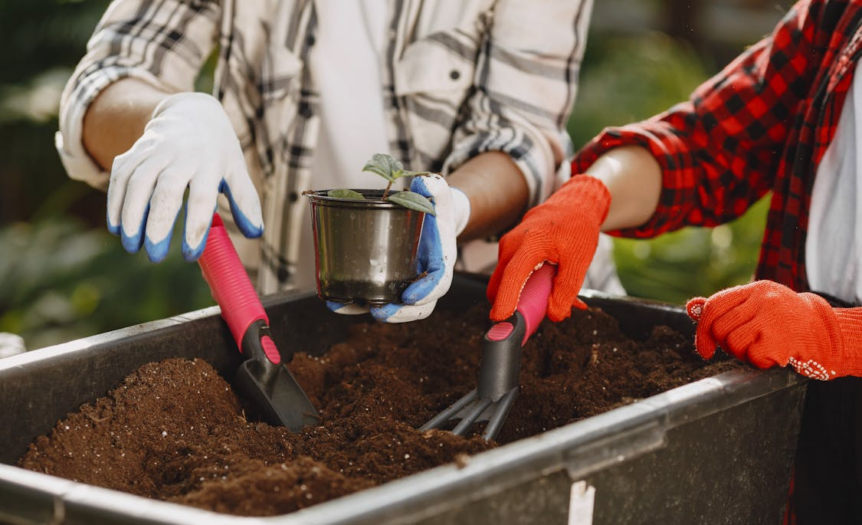
Spending a full day in the dirt feels rewarding. You see the immediate results of your labor in every freshly pruned hedge and weeded row.
Many people forget that this work puts a lot of stress on the body. Heavy lifting and constant movement require a plan for recovery.
Without proper rest, your hobby might lead to burnout or physical pain. Learning to pace yourself makes the experience much better for your long-term health.
Gardening as a High-Intensity Workout
Digging deep holes and moving heavy bags of mulch work your entire body. These movements engage large muscle groups and get your heart pumping quickly.
A health blog recently mentioned that 30 minutes of yard work can burn between 165 and 220 calories.
You are pushing your limits every time you haul heavy equipment across the lawn. Your body treats these tasks as a serious workout. Muscles in your back, arms, and legs are constantly working to stabilize your movements.
Selecting Your Garden Projects
Starting a new cultivation project involves looking at many different plant options. Choosing between vegetable species can be demanding, so focus on just a few to start. Narrowing down your selection helps you manage the physical workload required for each specific type of plant.
This keeps the work manageable and prevents you from overextending your physical capabilities.
After a hard day’s work, take time to relax. You can pick your favorite from thousands of cannabis strains, or just enjoy some music or a nice nap. Taking time to unwind can improve both your mood and focus.
Small moments of relaxation make it easier to return to your tasks with fresh energy. This habit supports both physical and mental well-being. A steady rhythm between effort and rest leads to better long-term results.
Managing Your Blood Pressure Naturally
Consistent physical activity in the garden offers significant benefits for your cardiovascular system. Moving your body regularly helps keep your heart strong and functional.
One medical organization suggests that gardening for 30 to 45 minutes is a great way to lower your blood pressure. Taking breaks between these sessions helps you enjoy the benefits without overtaxing your heart.
Your body needs time to adjust to the increased demands of heavy outdoor labor. Reducing blood pressure is a long-term goal for many gardeners.
The Role Of Recovery For Muscle Building
Muscles grow and repair themselves during the times when you are not active. Working out in the heat of the sun creates small tears in your muscle fibers.
A health expert recommends doing a circuit a few times a week with a day of rest in between for muscle recovery. This approach allows your body to build strength more effectively than working every single day.
Taking a 24-hour break gives your systems a chance to reset and heal. Rest is the period where the real progress happens.
Tips For Safer Heavy Lifting
Lifting heavy pots or bags of soil can easily strain your back if you are not careful. Use your legs to power the lift instead of relying on your spine.
Keep the weight close to your torso to maintain a stable center of gravity. If an object feels too heavy, wait for a friend to help you move it.
Proper form prevents injuries that might keep you out of the garden for weeks. Spending $50 on a new pair of ergonomic gloves is a great investment.
Ergonomic Tool Use
Many people bend at the waist when they reach for a tool or a plant. This movement puts immense pressure on the lower discs of the spine.
Try kneeling or using a small stool to get closer to the ground. Long-handled tools further reduce the amount of bending you need to do.
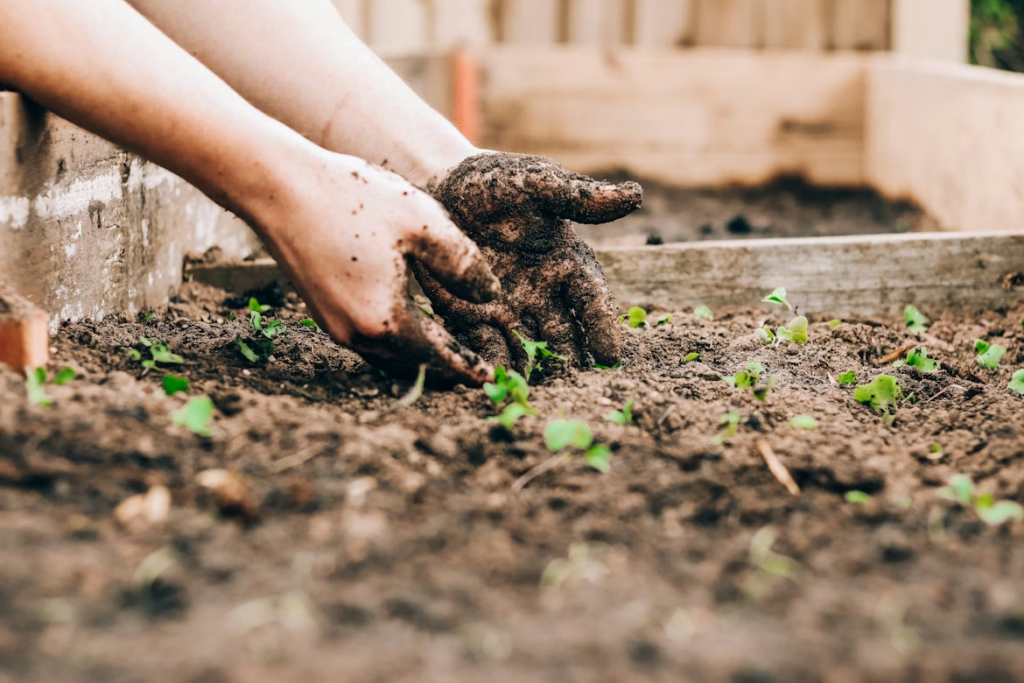
Balancing Activity With Scheduled Downtime
Setting a schedule for your yard work keeps you from doing too much at once. Dividing big projects into smaller tasks makes the work feel less overwhelming.
You can focus on one area of the yard for an hour, then take a long break. This method protects your joints and keeps your energy levels high throughout the day.
- Use a timer to remind yourself to drink water.
- Sit in the shade for 10 minutes every hour.
- Stretch your arms and legs before starting a new task.
- Wear supportive shoes to reduce the impact on your feet.
Creating a routine helps you stay consistent without burning out. Some tasks are best done in the cool morning hours to avoid heat stroke.
Save the lighter duties for the afternoon when the sun is at its peak. Using your time wisely means you get more done with less physical stress.
A well-planned workday leaves you with enough energy to enjoy your garden in the evening. You can admire your progress from a comfortable chair.
A balanced approach to gardening leads to a healthier life and a more beautiful backyard. You deserve a break after all that heavy lifting.