

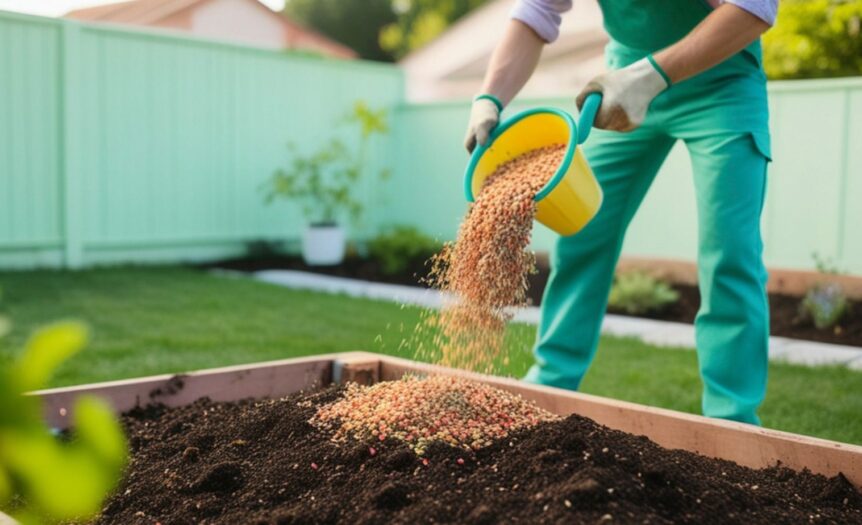
If you plan on planting fig trees, you’re going to need to fertilize them. While this may seem like a simple thing to do, unfortunately, it’s not. You need to use a balanced fertilizer, and if you don’t, good luck growing a fig tree.
While there’s a lot to learn about fertilizer for fig trees, the good news is that you’ve come to the right place. Read on to learn about fertilizer for fig trees.
How to Use Fertilizer for Fig Trees
When using fertilizer for fig trees, there are a handful of things that you need to do. First and foremost, you need to focus on getting the pH of the soil right. If you don’t, your foundation is gone, and you won’t be able to enjoy figs any time soon. Make sure the pH is around 5.5 to 6.0.
You also need to make sure the fertilizer you’re using is a low-nitrogen fertilizer; something like 10-10-10 should work.
Once you have the right fertilizer, follow the steps below to use it properly.
- Use around half a pound of fertilizer for every inch or so of the trunk.
- Spread the fertilizer around the drip line of the fig tree’s base.
- Water them as soon as you fertilize them.
- If you’re unsure about how much you should put, it’s a good idea to focus on the mantra of less is better.
- Make sure you slow down on fertilizer by the mid-summer months for the best results.
As long as you follow these simple steps, you shouldn’t have any issues using fertilizer for fig trees.
When Do You Need to Use Fertilizer for Fig Trees?
When it comes to using fertilizer for fig trees, there are a few different situations you need to account for. This is because trees that are in production need to be handled differently from trees that are mature or figs that aren’t growing anything.
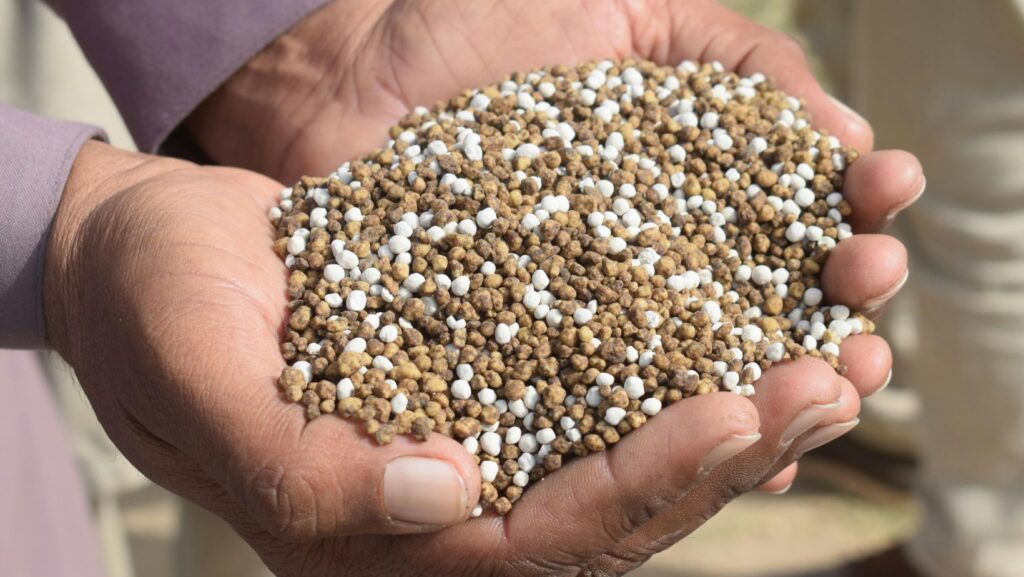
You’ll find that figs that are mature don’t need a ton of fertilizer. Instead, you’ll want to focus on fertilizing them in the early spring. In fact, you should only have to fertilize them once, and if you overdo it, you can end up harming the tree.
On the other hand, fig trees that are in production need a lot more attention. You may want to fertilize them more often, and you should start as soon as possible. It’s also important to note that you should slow down on fertilizing fig trees once early July comes around. If you don’t, you can end up with fresh figs that get ravaged by frost.
Tips for Using Fertilizer for Fig Trees
We know that we covered a lot already, but that doesn’t mean you’re all set. It’s a good idea to consider some simple tips that can help you make the process a lot simpler. Luckily, we have some simple tips that you can follow, and no, you don’t need a green thumb to make the most out of them.
Some tips for using fertilizer for fig trees properly include:
- It’s not a bad idea to try a soil test first before you start using a random fertilizer. This ensures that your fig tree gets the nutrients it needs.
- We recommend using organic soil options. Organic soil like blood meal, alfalfa meal, and others are a good choice for improving the life of your soil.
- Make sure you fertilize at the right time, so you should focus on the early spring.
- Make sure you choose the best fig trees from specialized fig nurseries for the best growth.
Depending on your situation, it’s also not a bad idea to leverage different types of products that can improve the quality of your soil.
Use Fertilizer for Fig Trees Like a Pro
Fertilizer is like the lifeblood of your fig tree. If you don’t surround your fig tree with nutrients necessary to grow, your tree won’t last very long. The good news is that if you made it this far, you shouldn’t have any issues using fertilizer for fig trees.
Still, make sure you follow the tips in this guide for the best results. Also, make sure you avoid the common mistakes that people make when using fertilizer for fig trees.

