


Snow and ice can disrupt business operations faster than almost any other weather event. For commercial property owners and managers, winter conditions bring safety concerns, liability exposure, and operational challenges that go far beyond basic snow clearing.
Commercial snow removal requires planning, timing, and consistency. Businesses that prepare early tend to avoid downtime, accidents, and costly surface damage once winter storms arrive.
Many property managers start by reviewing professional options such as commercial snow removal in Salt Lake City, not just to compare pricing, but to understand how structured commercial snow services are designed to protect people, property, and daily operations.
Why Commercial Snow Removal Requires a Strategic Approach
Here is why commercial properties face higher winter risk than residential sites.
Commercial locations experience steady foot traffic, vehicle movement, and delivery schedules. Snow buildup around entrances, parking areas, and loading zones increases the chance of slips, blocked access, and operational delays.
The Occupational Safety and Health Administration reports that slips and falls are among the most common causes of workplace injuries during winter. Ice-covered walkways and untreated parking lots are often contributing factors.
Commercial snow removal is not reactive. It is preventative. The goal is to keep surfaces consistently safe throughout a storm, not just after snowfall ends.
What Sets Commercial Snow Removal Apart
Let’s break it down. Commercial snow removal involves more than larger equipment.
1. Pre-season site planning
Providers review traffic flow, surface types, drainage paths, and snow storage areas before winter begins.
2. Defined service triggers
Service often starts at specific snowfall depths to prevent compaction and ice bonding.
3. Ongoing monitoring
Crews track weather conditions and return as needed during extended storms.
4. Targeted deicing
Materials are selected based on temperature and surface use to maintain traction.
5. Service documentation
Many commercial providers log service times and conditions to support risk management.
This structured approach reduces gaps that often lead to accidents or property damage.
Managing Liability During Winter Months
Commercial property owners carry a duty of care for employees, tenants, and visitors. When snow and ice hazards are not addressed promptly, liability risks increase.
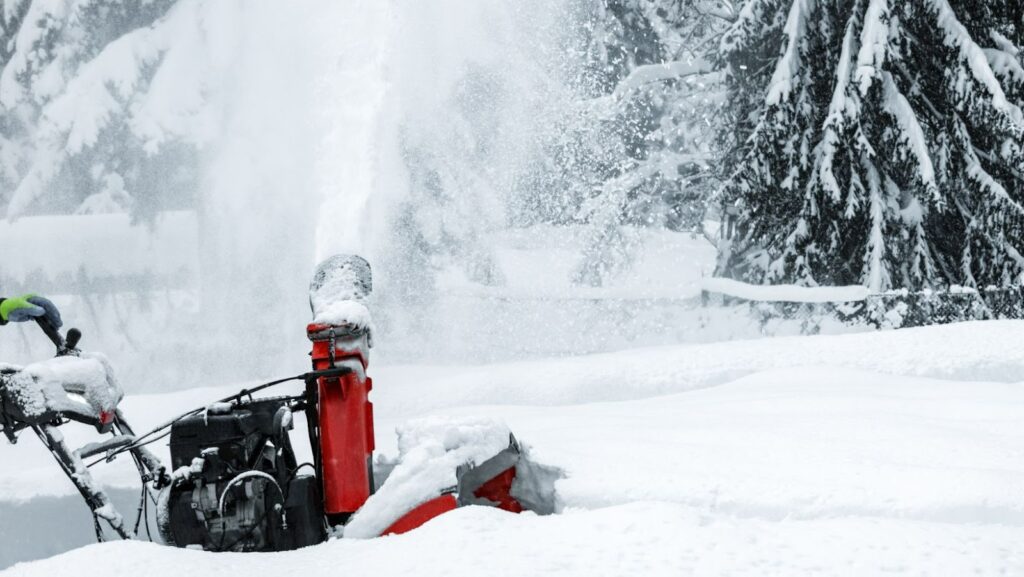
The Utah Labor Commission outlines employer responsibilities for maintaining safe access to work areas, including exterior walkways and parking facilities. Similar standards apply across many jurisdictions.
Professional snow removal services help meet these expectations by providing timely clearing, proper deicing, and consistent monitoring. Documentation from service providers can also support insurance and legal needs if an incident occurs.
How Snow and Ice Damage Commercial Surfaces
Snow does more than create safety concerns. It affects long-term property maintenance.
Repeated freeze-thaw cycles weaken asphalt and concrete. Poor snow placement damages curbs, signage, and landscaping. Excessive salt use corrodes metal surfaces and shortens pavement lifespan.
Commercial snow removal teams plan snow stacking carefully and use calibrated equipment to reduce unnecessary wear. Protecting infrastructure during winter helps control repair costs once spring arrives.
Choosing a Commercial Snow Removal Partner
Not every contractor is equipped for commercial work. Property managers should look for providers with experience managing large, high-traffic environments.
Key factors to consider include:
● Clear service triggers and response timelines
● Equipment sized for parking lots, access roads, and loading zones
● Deicing materials appropriate for cold temperatures
● Communication during active storms
● Consistent service tracking
Companies like RedStone Property Maintenance & Landscaping demonstrate how commercial-focused snow removal prioritizes safety, planning, and surface protection rather than simple plowing.
Snow Removal Across Different Commercial Properties
Each property type presents unique winter challenges.
Office complexes need early clearing to support daily staff access.
Retail centers rely on safe parking and walkways to maintain customer flow.
Medical facilities require uninterrupted access for patients and emergency vehicles.
Industrial sites must keep truck routes and loading areas clear at all times.
A commercial snow removal plan should adjust service priorities based on how each site operates.
Environmental Responsibility in Commercial Snow Management
Deicing materials affect more than pavement. Overapplication contributes to soil damage, runoff, and corrosion.
The U.S. Environmental Protection Agency recommends using deicers only as needed and selecting products suited for temperature conditions. Many professional providers rely on calibrated spreaders to control application rates and reduce waste.
Responsible snow management balances safety with long-term environmental and property protection goals.
Next Steps for Commercial Property Managers
Preparation makes winter predictable rather than stressful. Here is how to get started.
● Identify high-risk zones such as entrances, ramps, and shaded areas
● Confirm service triggers and response windows
● Clarify reporting and documentation expectations
● Schedule pre-season site evaluations
Snow will always be part of winter operations. A structured commercial snow removal plan keeps businesses accessible, reduces liability, and protects property assets throughout the season.