

Finding a reliable lawn mowing service in Utah often starts with one simple goal – keeping grass healthy, neat, and manageable without constant stress. Lawn mowing looks straightforward, but proper technique plays a major role in turf health, pest prevention, and long term property value.
Here is why mowing deserves more attention. The way grass is cut affects root strength, moisture retention, and weed growth. Let’s break it down so homeowners, buyers, and property managers understand what truly matters.
Why Proper Lawn Mowing Matters
Grass responds directly to mowing habits. When done correctly, mowing supports stronger roots and denser growth. When done poorly, it weakens turf and opens the door to weeds and insects.
Consistent mowing helps with:
● Improved lawn density
● Reduced weed competition
● Better moisture retention
● Fewer pest hiding areas
The Utah State University Extension explains that mowing height and frequency influence how well grass tolerates heat, foot traffic, and drought.
Common Lawn Mowing Mistakes to Avoid
Many lawn problems start with avoidable errors. These mistakes show up in residential and rental properties alike.
1. Cutting Too Short
Scalping removes too much leaf tissue. This stresses grass and exposes soil to sunlight.
2. Following a Rigid Schedule
Grass growth changes with weather and irrigation. Fixed schedules often lead to overcutting or missed growth spurts.
3. Using Dull Blades
Dull blades tear grass instead of cutting cleanly. Torn blades turn brown and invite disease.
4. Ignoring Seasonal Stress
Heat, drought, and heavy use require mowing adjustments. Pushing through stress periods weakens turf.
Let’s break it down. Small mistakes repeated weekly can undo months of good lawn care.
Best Practices for Healthier Lawns
Following proven mowing habits makes lawn care more predictable and less reactive.
Maintain the Right Height
Most cool season grasses perform best when kept taller. Longer blades shade soil and slow moisture loss.
Follow the One Third Rule
Never remove more than one third of blade height at a time. This reduces shock and supports recovery.
Rotate Mowing Patterns
Changing direction prevents compaction and helps grass grow upright.
Leave Clippings on the Lawn
Grass clippings return nutrients to the soil and reduce fertilizer demand.
The U.S. Environmental Protection Agency supports grasscycling as a sustainable practice that improves soil quality.
How Lawn Mowing Impacts Pest Activity
Lawn care and pest control often overlap. Overgrown or stressed grass creates shelter for insects and small animals.
Poor mowing habits can lead to:
● Increased insect nesting
● Rodent cover near structures
● Moisture buildup at soil level
Regular mowing disrupts pest habitats and supports broader prevention efforts around the home.
Companies such as SolTerra Lawn & Pest often see fewer pest related issues on properties that maintain consistent mowing routines paired with basic exterior maintenance.
Lawn Mowing and Property Value
Curb appeal sets expectations. Buyers and tenants notice lawn condition immediately.
Well maintained lawns signal:
● Routine property care
● Lower maintenance risk
● Better overall management
Neglected lawns raise concerns about hidden issues. For sellers and landlords, mowing consistency supports faster showings and better first impressions.
Next steps include establishing mowing routines weeks before listing or tenant transitions.
DIY vs Professional Lawn Mowing
Some homeowners enjoy mowing. Others face time limits, physical strain, or inconsistent results.
Professional mowing services offer:
● Reliable scheduling
● Proper equipment
● Seasonal adjustments
● Clean edging and trimming
Homeowners often choose professional help when lawns grow faster than expected or when consistency becomes difficult to maintain.
How Often Lawns Should Be Mowed
There is no fixed answer. Growth rate drives frequency.
General guidance includes:
● Faster growth during spring
● Slower growth during peak heat
● Adjustments based on rainfall and irrigation
Skipping mowing during rapid growth increases stress and uneven cutting.
Choosing the Right Lawn Mowing Provider
Here is what to look for when evaluating a service.
- Experience with residential turf
- Knowledge of seasonal mowing changes
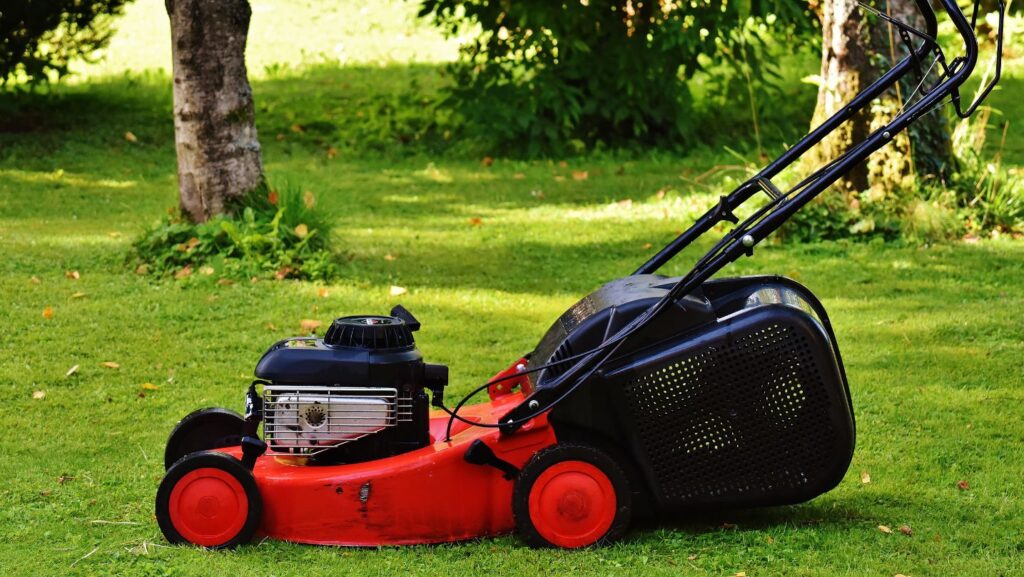
- Clean and well maintained equipment
- Clear communication and scheduling
Avoid choosing based on price alone. Proper mowing protects the lawn and reduces future repair costs.
Practical Takeaways for Homeowners
Lawn mowing affects more than appearance. It influences soil health, water use, and pest pressure.
Here is why consistency matters:
● Grass adapts to regular care
● Stress weakens turf
● Prevention costs less than repair
Next steps include checking blade sharpness, adjusting mowing height, and responding to seasonal changes.
With the right approach, lawn mowing becomes a simple habit that protects both the yard and the investment it supports.