
Outdoor furniture. Tools. Seasonal equipment. All of these things can take up significant space in your home when they’re not in use. Whether that’s unused garden tables and grills in colder weather or snowshoes and outdoor heaters in summer – many people will have experienced the difficulties of sorting seasonal storage.
Items can end up stacked in poor conditions that make finding them when you need them frustrating. Or, even worse, they could end up being left outside and damaged. However, storing garden equipment off season doesn’t have to be a nightmare. With a little planning, and self storage as an option, rotating your seasonal garden items can be easy and efficient.
Storing Patio Furniture During Winter Months
Outdoor furniture is often difficult to store in standard home spaces. Sure many homes have garages, but they’re often needed for other more permanent things (and cars). Especially considering how bulky some modern sectional seating designs can be.
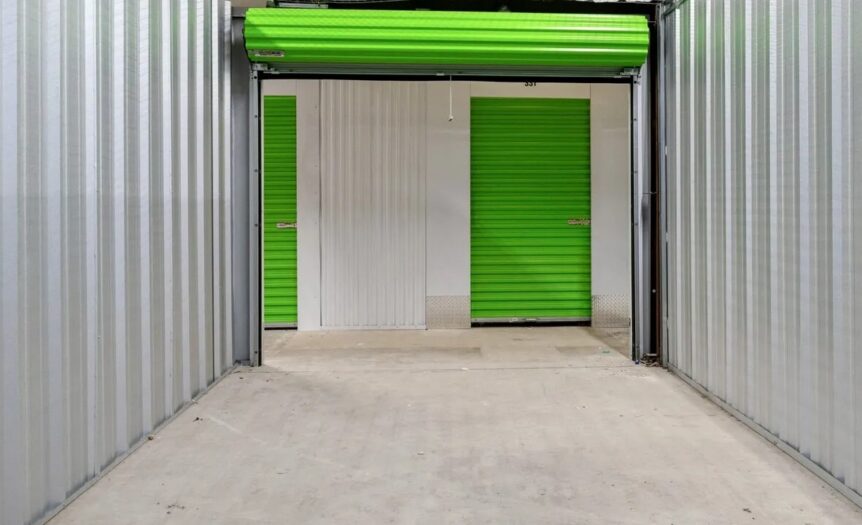
People looking for solutions to this problem often turn to self storage units for patio furniture. A great provider of these facilities will have 24/7 site surveillance and customer support, as well as easy access and quick online bookings. All to make the entire process as straightforward as possible.
If you do go this route, options vary slightly. But 5×10 and 10×10 storage units are standard at the majority of locations. Unless you have a very large garden with multiple patio sets, these sizes are perfect as seasonal storage for outdoor furniture.
For example, a 5×10 unit will fit a standard patio set with a table and four to six chairs. As well as cushions, folded umbrellas and other extras.
Alternatively, a 10×10 unit will fit larger sets with multiple tables and sectional seating. Usually with room spare for extra garden tools or grilling equipment.
Making sure you pick the right size prevents paying for more space than you need, or not having enough room to stack it safely. Proper stacking prevents items being damaged, and is essential when things may be stored for months at a time while not in use.
Most storage options have easy and convenient access. Meaning you’ll be able to grab the items or store them again quickly if there’s an unexpected period of unseasonal weather, for example.
Protecting Outdoor Items from Weather Damage
While some homes might have a garden shed or a garage big enough to store garden furniture in – often it isn’t the ideal space. As well as unused items causing clutter all year round, some pieces are not suited for storage in uninsulated spaces.
Temperature and moisture swings can cause real damage to outdoor items like wooden furniture, canvas covers and umbrellas and cushions or other soft furnishings. That can include mildew and damp in fabrics, rust on metal pieces and warping or cracking of wooden items.
Many of these kinds of outdoor items that want protecting in climate controlled units will be more valuable. So keeping them cared for is an investment in not having to replace them.
In these cases, climate controlled storage for outdoor items is not only an option but probably needed. Or at least, if you want to keep your stuff in top condition for when you do use it. No one wants to pull a rusty grill out of the shed when it comes to BBQ season.
Storing Equipment Tips and Tricks
Before storing garden gear like lawnmowers, trimmers, heaters and other fuel-powered equipment, there are a few things to keep in mind.
They should be thoroughly cleaned, drained and maintained before being put into storage. Make sure everything is dry before stacking, as wet surfaces can cause corrosion and degradation
Tools should also be kept in a distinct zone away from items like soft furnishings. Don’t store trimmers on top of cushions, for example, as when taking them out of storage they could get caught and damage the softer items.
These outdoor gear storage tips should help you stay organized, wherever you choose to store your possessions. Properly storing things means they’ll be easy to get out and ready for use as soon as the weather is right.
Be Flexible with the Changing Seasons
The seasons can be unpredictable in many parts of the US, and the exact lengths and weather patterns can vary year to year.
Month-to-month storage means you’re not locked into a long-term contract if winter is a warm one or summer is cooler than usual. You can simply end your contract at the end of the month, and then pick up another one if and when you do need storage again.
You might even live in a place or region that rarely gets periods of bad weather – but when it does, it’s bad. Temporary one month contract for storage during an unexpectedly intense rainy season for example, is always an option.
Effective storage not only keeps your outdoor or seasonal items safe and secure when not using them, it makes bringing them back out again simple too.