
Creating a garden that feels like a true extension of your home is no longer a luxury; it’s becoming a lifestyle essential. Modern outdoor spaces are no longer just about plants and pathways; they’re about comfort, usability, and creating moments. Whether it’s a quiet morning coffee, a weekend gathering, or simply a place to unwind after a long day, a well-designed seating area can transform how you experience your garden.
Websites focused on outdoor living inspiration consistently highlight how combining thoughtful furniture choices with practical design elements can turn any space, big or small, into a functional retreat.
So how do you design a garden seating area that feels inviting, practical, and usable throughout the year? Let’s break it down.
Start With Purpose, Not Furniture
Before choosing materials or layouts, think about how you want to use the space.
Ask yourself:
Defining the purpose early helps you avoid overcrowding your garden or choosing furniture that doesn’t serve your lifestyle.
For example, a compact corner bench setup may work beautifully for a peaceful retreat, while larger gardens can support multiple zones, such as a dining area and a lounging space.
Choose the Right Location
Positioning is everything. Even the most stylish setup won’t feel comfortable if it’s placed in the wrong spot.
Consider:
A well-placed seating area enhances the natural flow of your outdoor space and encourages you to use it more often.
Material Matters: Think Long-Term
Outdoor furniture should be both durable and timeless. Materials like teak, hardwood, and treated timber remain popular because they balance aesthetics with resilience.
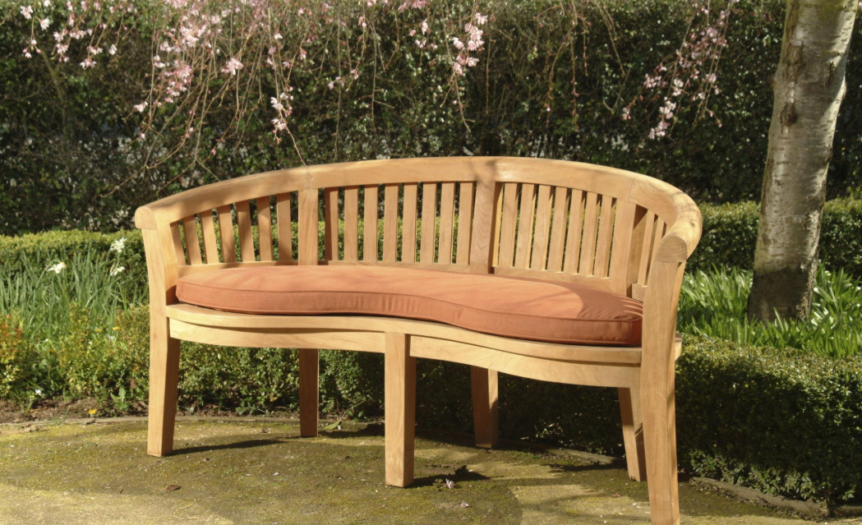
Wooden seating, in particular, blends naturally into garden environments and ages beautifully over time. Pieces like Sloane & Sons Teak Garden Furniture offers a classic look that complements both traditional and modern garden designs, while also standing up to changing weather conditions.
When selecting materials, prioritize:
This ensures your seating area looks better, not worse, with time.
Layer Comfort Into the Design
Comfort is what turns a garden into a destination rather than just a space.
To achieve this:
Small details make a big difference. A simple bench can become a cozy retreat with the right styling.
Create Shelter for All Seasons
To make your seating area usable year-round, consider adding some form of shelter.
Options include:
These elements not only protect against sun and rain but also add structure and visual appeal to your garden.
For colder months, you can enhance usability with:
This allows you to enjoy your garden beyond just the summer season.
Use Planting to Frame the Space
Plants aren’t just decorative; they define and elevate your seating area.
Try:
This softens the overall look and helps integrate the seating area seamlessly into the garden.
Keep It Functional and Clutter-Free
A beautiful garden space should also be easy to maintain.
Focus on:
The goal is to create a space that invites relaxation, not one that requires constant upkeep.
Lighting Transforms Everything
Lighting can completely change how your garden feels, especially in the evenings.
Consider layering:
Soft, warm lighting creates a welcoming atmosphere and extends the usability of your seating area into the night.
Think About Flow and Accessibility
Your seating area should feel like a natural part of your garden, not an afterthought.
Ensure:
A well-integrated design makes your outdoor space feel cohesive and intentional.
Final Thoughts
Designing a relaxing garden seating area isn’t about following trends; it’s about creating a space that works for your lifestyle. When you combine thoughtful layout, durable materials, and comfort-driven details, your garden becomes more than just an outdoor area; it becomes a place where everyday moments feel special.
Whether you’re working with a small patio or a spacious backyard, the key is to focus on usability, simplicity, and timeless design. With the right approach, your garden can become a year-round retreat that you’ll never want to leave.