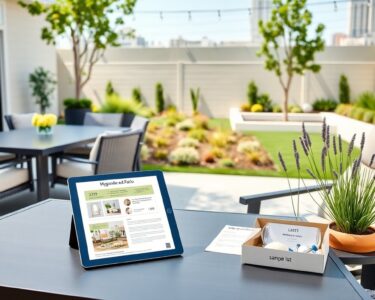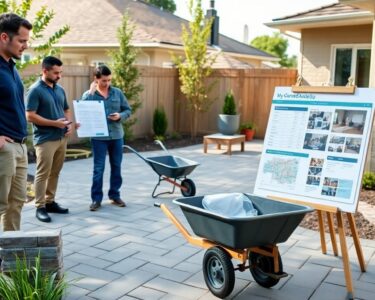

Outdoor spaces are changing fast. More people want gardens and patios that work with nature instead of against it. Sustainable projects help reduce waste, save water, and create healthier spaces to relax or grow food. Research shows that green outdoor design can lower environmental impact and improve well being at home. The United Nations Environment Programme (2023) explains that small scale green projects play a clear role in reducing pressure on natural resources.
Building with natural and reused materials
One of the most common sustainable projects is the use of natural and reused materials. Think of wood from certified forests, recycled stone, or reclaimed bricks. These materials need less energy to produce and often last longer outdoors. A study by the Forest Stewardship Council (2022) shows that certified wood supports responsible forest care and limits harm to wildlife. For patios and garden paths, reused materials also give a warm and natural look that fits many outdoor styles.
Water smart garden design
Water use is a major topic in outdoor spaces. Sustainable gardens often include rain barrels, drip irrigation, and plants that need less water. The Environmental Protection Agency (2024) reports that efficient irrigation can lower outdoor water use by up to 50 percent. Rainwater systems are easy to add and help during dry periods. Many garden owners choose this path after advice from professionals like VB, who focus on long term outdoor planning.
Growing food in a responsible way
Home food production is another strong example of sustainable projects. Raised beds, compost systems, and small greenhouses help people grow vegetables close to home. The Food and Agriculture Organization (2023) notes that local food growing reduces transport emissions and food waste. Some projects include commercial greenhouse construction for larger growing areas. These structures allow better climate control and longer growing seasons while using energy in a careful way.
Energy use in outdoor spaces
Energy use does not stop at the back door. Outdoor lighting, heaters, and water features all need power. Sustainable projects often use solar lights or low energy systems. According to the International Energy Agency (2024), solar powered outdoor lighting reduces electricity demand and works well in private gardens. Simple choices like LED lighting also help lower energy use without changing comfort.
Healthy soil and composting
Healthy soil is the base of every garden. Composting kitchen and garden waste improves soil structure and limits the need for chemical products. The Royal Horticultural Society (2023) explains that compost increases soil life and helps plants handle dry periods. Many garden owners start composting after learning how much waste they can reuse at home. VB often highlights soil care as a starting point for long lasting garden projects.
Wildlife friendly outdoor areas
Sustainable projects also focus on animals and insects. Bird boxes, insect hotels, and native plants support local species. Research by the National Wildlife Federation (2022) shows that native plants provide better food and shelter for pollinators. Even small changes, like leaving part of the garden wild, can make a clear difference over time.
Smart planning for larger structures
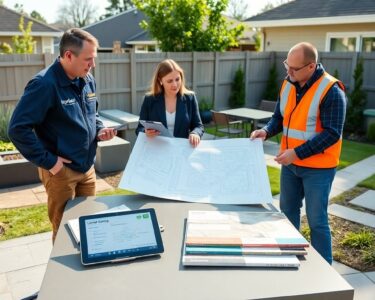
Larger outdoor projects also benefit from a sustainable approach. Garden rooms, sheds, and greenhouses need careful planning. Working with a greenhouse builder Iowa helps ensure that materials, placement, and insulation support lower energy use. The U.S. Department of Energy (2023) states that proper design reduces heat loss and improves indoor climate control in garden structures.
Sustainable projects bring together design, nature, and daily use. They support outdoor spaces that feel calm, useful, and ready for the future. With clear choices and good planning, gardens and patios can stay beautiful while respecting the environment.