

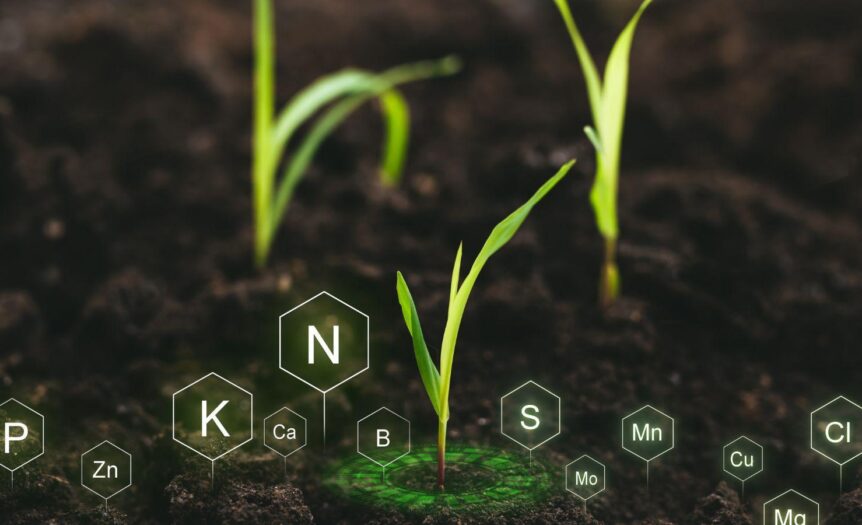
Nutrient burn occurs when a plant is given more minerals than it can process, leading to a toxic buildup that manifests as browned leaf tips. It is a sign of an over-eager feeding schedule, but it is not a death sentence. If you want to protect your abundant harvest, you must understand the ways to fix nutrient burn in plants. By following these expert-curated steps, you can restore the balance your garden needs to thrive.
Quick Fixes for Nutrient Burn
|
The Action |
Why It Works |
Expert Tip |
|
Flush the Roots |
Washes away excess salt buildup |
Use pH-balanced, room-temp water |
|
Adjust pH Levels |
Ensures nutrients are actually available |
Check runoff with a calibrated meter |
|
Dilute the Feed |
Reduces chemical concentration |
Always start at 50% strength for new plants |
|
Remove Damaged Foliage |
Redirects energy to new growth |
Only prune if more than 50% of the leaf is burnt |
|
Switch to Curated Nutrients |
Provides balanced, tested formulas |
Trust expert brands like Biofloral |
The Science of Nutrient Toxicity: Why Burns Happen
At BioFloral, we rely on a science-backed approach. Plants are selective eaters, but when the concentration of minerals in the soil or hydroponic solution is too high, the plant is forced to absorb them through capillary action.
These excess minerals are pushed to the furthest extremities—the leaf tips, where they accumulate and literally “burn” the tissue.
When you see burns in plants, it’s a biological distress signal. To fix it, we must look at the quality, durability, and performance of our feeding regimen.
1. The Immediate Root Zone Flush
The most critical way to fix nutrient burn in plants is a flush. If you are growing in soil or coco coir, you must wash away the excess salts that have accumulated around the roots. Use a large volume of pH-balanced water (usually 3 times the pot’s volume) to flush the medium. This reset allows the roots to breathe and stops the “overdose” immediately.
2. Calibrating Your pH for Stability
Sometimes nutrient burn isn’t caused by too much food but by the wrong pH level. If the pH is off, certain nutrients become “locked out” while others become hyper-available, leading to toxicity. Our team of experts—with over 150 years of combined experience—recommends testing your runoff water to ensure it falls within the ideal range for your specific species.
3. Diluting Your Nutrient Solution
If you’ve identified a nutrient burn in the plant shortly after a feeding, your solution was likely too concentrated. Many mass-market fertilizers suggest dosages that are too high for younger or more sensitive plants.
4. Monitoring PPM and EC Levels
For the professional grower, guesswork is the enemy of success. Measuring the Parts Per Million (PPM) and Electrical Conductivity (EC) of your nutrient reservoir tells you exactly how much “salt” is in your water. If these levels creep up over several days, your plant is taking up water faster than it is absorbing nutrients, resulting in a concentrated solution that can burn plants.
5. Managing the Growing Environment
Environmental stress often mimics or exacerbates nutrient burn. High heat causes plants to transpire (sweat) faster. As they lose water through their leaves, they pull more nutrient-heavy water from the roots, leading to an unintentional “overfeed.”
To mitigate this, many professionals integrate an efficient CO2 controller grow setup for indoor farms to balance gas exchange and temperature. A well-regulated environment ensures your grow space is well-ventilated and that the plant’s metabolic rate remains in sync with your feeding regimen, preventing heat-induced toxicity.
6. Strategic Pruning of Damaged Leaves
Once you have stopped the source of the burn, you may be left with brown, crispy tips. While these will never turn green again, you should be careful with the shears. Only prune leaves that are more than 50% damaged. The remaining green parts are still performing photosynthesis and helping the plant recover.
7. Transitioning to Nature-Conscious Nutrients
Not all nutrients are created equal. Some synthetic brands use low-quality salts that build up quickly and are difficult to flush. At BioFloral, we promote a nature-focused approach that combines science with environmental consciousness. Switching to high-quality, expert-tested nutrients ensures a more gradual and bioavailable delivery of minerals, significantly reducing the risk of how nutrient burn in plants occurs.
8. Implementing a Recovery “Fast.”
Just like a person who has overeaten, a plant with nutrient burn needs a break. For the first week after a flush, give the plant only pure, pH-balanced water. This “fast” forces the plant to use up the stored minerals in its tissues, clearing out the toxicity and preparing the system for a lighter, more balanced feeding schedule.
Conclusion (Growing Success from Coast to Coast)
At BioFloral, we treat every plant as if it were our own. We know that the journey from seed to harvest is filled with learning moments, and nutrient burn is simply a sign that it’s time to refine your process.
By utilizing these ways to fix nutrient burn in plants, you move closer to the abundant, healthy harvest you’ve worked so hard for.
Whether you are a hobbyist in your first grow tent or a professional manager of a large-scale facility, our team of technical advisors is here to provide the personalized, human service you need to thrive. Success is a science, but it’s also a passion, and we’re here to help you grow both.
Frequently Asked Questions
1. Can a plant recover from nutrient burn?
Yes, but the damaged leaf tips will remain brown. The “recovery” is seen in the new growth, which should be vibrant and green once the root zone is flushed and the feeding schedule is adjusted.
2. How do I tell the difference between nutrient burn and light burn?
Nutrient burn usually starts at the tips of the leaves across the entire plant. Light burn typically affects only the leaves closest to the light source and often turns them white or yellow rather than brown and crispy.
3. Does BioFloral offer specific solutions for flushing?
Yes, we carry a curated selection of clearing solutions designed to bind to excess salts and wash them away more effectively than water alone.