

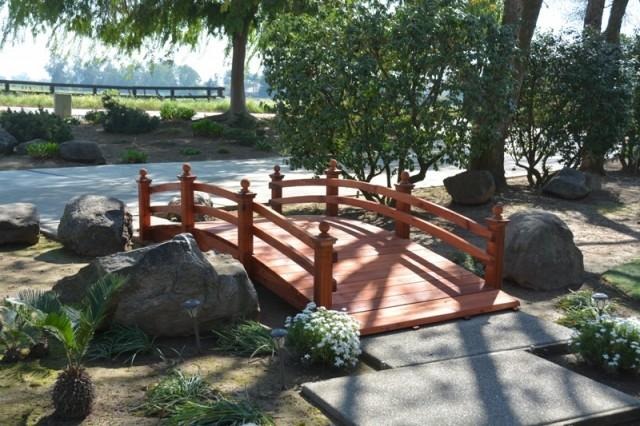
A well-designed garden bridge can completely transform an outdoor space. Whether you have a small backyard, a naturalistic landscape, or a formal garden layout, adding a garden bridge introduces structure, movement, and visual depth. Garden bridges are not just functional crossing points; they are architectural features that shape how people experience the landscape.
Why a Garden Bridge Changes Everything
The presence of a garden bridge invites exploration. Even when a garden bridge spans a dry area rather than water, it creates a psychological transition from one zone of the garden to another. Many homeowners discover that once they install a garden bridge, the entire garden design feels more intentional and cohesive.
In modern landscaping, garden bridges are used in everything from minimalist courtyard gardens to expansive estates. A thoughtfully placed garden bridge draws the eye, anchors focal points, and enhances symmetry or contrast depending on the design style.
Understanding the Role of a Garden Bridge in Landscape Design
A garden bridge functions as both a structural and symbolic element. Structurally, it connects two areas. Symbolically, a garden bridge represents transition, movement, and harmony.
When designing with garden bridges, consider how the eye travels across the landscape. A curved garden bridge softens rigid lines, while a straight garden bridge reinforces formal geometry. Garden bridges can define pathways, emphasize water features, or break up large expanses of lawn.
Designers often use a garden bridge to:
- Create a focal point
- Add height variation
- Frame views
- Separate themed sections
- Introduce architectural contrast
Even a simple wooden garden bridge can elevate a flat garden into a dynamic outdoor environment.
Choosing the Right Garden Bridge for Your Space
Selecting the right garden bridge depends on scale, style, and function. Garden bridges come in various shapes, sizes, and finishes, and each type contributes differently to the overall landscape composition.
Consider the Size
A small garden bridge works beautifully in compact gardens. In tighter spaces, oversized garden bridges can overwhelm the design. Conversely, in larger properties, modest garden bridges may look underwhelming.
Consider the Shape
- Arched garden bridges add elegance and visual interest.
- Flat garden bridges provide subtle transitions.
- Decorative garden bridges with railings offer a classic aesthetic.
Consider the Purpose
Is your garden bridge purely decorative, or will it support frequent foot traffic? Functional garden bridges require stronger materials and reinforced construction.
Materials: Wooden Garden Bridges and Beyond
The material of a garden bridge greatly influences its appearance and longevity.
Wooden Garden Bridges
Wooden garden bridges are among the most popular options. A wooden garden bridge blends seamlessly into natural settings and pairs well with trees, shrubs, and water features. Pressure-treated wood, cedar, and redwood are commonly used for durable garden bridges.
Wooden garden bridges age gracefully and develop character over time. With proper maintenance, a wooden garden bridge can last for decades.
Metal Garden Bridges
Metal garden bridges offer a more contemporary look. They are often powder-coated for weather resistance. A metal garden bridge can provide clean lines and minimalistic elegance.
Stone and Composite Garden Bridges
Stone garden bridges are permanent and dramatic, though less common in residential gardens. Composite garden bridges combine durability with low maintenance.
Each material choice affects how your garden bridge integrates into the landscape.
Where to Place a Garden Bridge for Maximum Impact
Placement determines whether a garden bridge feels intentional or decorative without purpose.
A garden bridge should connect meaningful points in the garden. Ideal placements include:
- Over ponds or streams
- Across dry riverbeds
- Between patio areas
- Along winding pathways
Position a garden bridge where it naturally aligns with walking routes. Garden bridges placed randomly may look decorative but disconnected.
When viewed from inside the home, a garden bridge can serve as a strong visual anchor. Framing a garden bridge within a window view enhances its impact year-round.
Garden Bridges Over Water Features
A classic use of a garden bridge is over water. Garden bridges over ponds create a peaceful, reflective atmosphere. The arch of a garden bridge mirrored in water adds symmetry and depth.
When installing garden bridges over water:
- Ensure secure foundations
- Use weather-resistant materials
- Allow adequate clearance above the water
A garden bridge over a koi pond, for example, creates both a functional crossing and a viewing platform. Garden bridges encourage interaction with aquatic plants and fish.
Garden Bridges Over Dry Creek Beds and Gravel
Not every garden bridge needs water beneath it. Garden bridges over dry creek beds simulate natural landscapes and require less maintenance.
A garden bridge over gravel or decorative stones can:
- Add elevation contrast
- Create an illusion of movement
- Enhance drought-friendly gardens
In xeriscaping projects, garden bridges are often placed over sculpted dry channels to mimic natural erosion patterns.
Small Garden Bridge Ideas for Compact Spaces
In small gardens, a carefully scaled garden bridge can make the space feel larger. Narrow garden bridges draw attention upward and create visual layers.
Tips for small garden bridges:
- Use lighter colors to avoid visual heaviness
- Position diagonally to create depth
- Surround with low-growing plants
A small garden bridge over a narrow stream or stone pathway introduces charm without clutter.
Large Garden Bridges as Statement Pieces
In expansive landscapes, large garden bridges become architectural centerpieces. Wide garden bridges can connect lawns, terraces, or woodland paths.
Statement garden bridges often feature:
- Decorative railings
- Rich wood tones
- Integrated lighting
A substantial garden bridge can define the character of the entire property.
Designing Around a Garden Bridge
A garden bridge should not stand alone. The surrounding landscape must support it visually.
Consider:
- Repeating materials used in the garden bridge elsewhere in the garden
- Aligning pathways with the garden bridge entrance
- Using symmetry or balanced asymmetry
Garden bridges benefit from thoughtful framing. Trees, ornamental grasses, and flowering shrubs can highlight the lines of a garden bridge.
Plant Pairings for a Garden Bridge Setting
Plants soften the structure of a garden bridge and integrate it into nature.
Excellent plant choices near garden bridges include:
- Ferns for shaded garden bridges
- Japanese maples for elegant compositions
- Hostas and groundcovers beneath the bridge edges
Climbing plants can frame garden bridges, though care must be taken not to compromise structural integrity.
The key is to create a harmonious transition between hardscape and softscape around the garden bridge.
Lighting Your Garden Bridge
Lighting enhances the safety and beauty of garden bridges.
Options include:
- Recessed deck lights along a garden bridge
- Solar lanterns at each end
- Under-bridge illumination for dramatic effect
A softly lit garden bridge becomes a focal point at night. Proper lighting ensures that garden bridges remain usable and visually appealing after sunset.
Safety and Structural Considerations
While decorative, a garden bridge must be safe. Ensure:
- Proper weight capacity
- Stable anchoring
- Non-slip surfaces
Garden bridges exposed to moisture should have treated materials and adequate drainage. Railings on elevated garden bridges increase safety, especially for children and elderly users.
Seasonal Styling of Garden Bridges
A garden bridge evolves with the seasons.
- In spring, flowering plants frame the garden bridge with color.
- In summer, lush greenery surrounds garden bridges with texture.
- In autumn, fallen leaves add warmth to wooden garden bridges.
- In winter, a snow-covered garden bridge becomes sculptural.
Decorative touches such as lanterns or seasonal planters can enhance the appearance of garden bridges throughout the year.
Maintenance Tips for Long-Lasting Garden Bridges
Proper maintenance ensures that a garden bridge remains beautiful and safe.
For wooden garden bridges:
- Apply sealant annually
- Inspect for rot
- Tighten hardware
For metal garden bridges:
- Check for rust
- Repaint when necessary
Routine care protects your investment and preserves the aesthetic appeal of your garden bridge.
Final Thoughts on Creating Harmony with a Garden Bridge
A thoughtfully designed garden bridge adds dimension, elegance, and purpose to any landscape. Garden bridges can be subtle connectors or dramatic focal points, depending on their scale and placement.
When integrated carefully into the surrounding environment, a garden bridge enhances both the function and beauty of the garden. By considering material, placement, plant pairings, and maintenance, you can ensure that your garden bridge becomes a timeless feature.
Whether you choose a modest garden bridge for a small backyard or a grand garden bridge for a sprawling landscape, garden bridges offer endless possibilities for creative outdoor design.