
Outdoor spaces have become more than just yards. They are extensions of the home where people relax, entertain, and spend time with family. The big question many homeowners face is how to design a space that looks great without constant upkeep.
That is where hardscaping stands out.
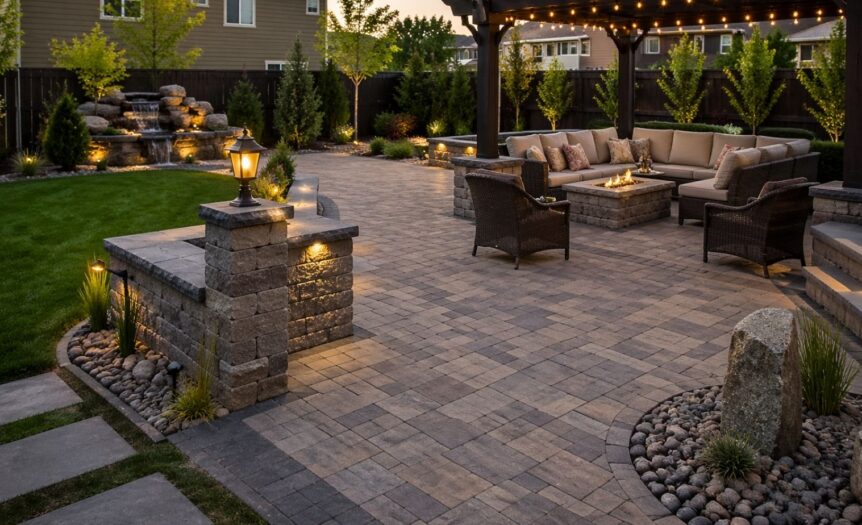
Hardscaping focuses on built elements like patios, walkways, and retaining walls. Traditional landscaping leans heavily on grass, plants, and ongoing maintenance. Both have their place, but more homeowners are shifting toward professional hardscaping services for practical, long-term results.
Let’s break it down.
What Sets Hardscaping Apart
Hardscaping includes non-living features that provide structure and usability. Think of it as the foundation of your outdoor design.
Traditional landscaping, on the other hand, relies on lawns, flower beds, and greenery. While visually appealing, it often requires more time, water, and care.
Here is why hardscaping is gaining attention:
- It creates defined, usable spaces
- It reduces maintenance demands
- It holds up better over time
Lower Maintenance, More Free Time
One of the biggest advantages of hardscaping is how little upkeep it requires.
Grass needs regular mowing, watering, and fertilizing. Plants need trimming, seasonal care, and sometimes replacement. These tasks add up quickly.
Hardscape features like paver patios or stone walkways require minimal maintenance. Many homeowners who invest in hardscaping projects notice a major drop in weekly yard work.
Here is why that matters:
- Less time spent on yard work
- Fewer ongoing costs
- More time to enjoy your space
Water Efficiency That Makes Sense
Water use is a growing concern for many homeowners. Traditional lawns can consume a significant amount of water, especially in dry climates.
According to the Outdoor Water Use in the United States report by the U.S. Environmental Protection Agency, outdoor water use can account for nearly 30 percent of household water consumption.
Hardscaping helps reduce that demand by replacing large lawn areas with durable surfaces.
This approach:
- Cuts down on irrigation needs
- Supports water conservation efforts
- Lowers utility bills over time
Built to Last
Durability is another reason homeowners choose hardscaping.
Natural elements can struggle with changing weather conditions. Grass can dry out or become patchy. Plants can fail due to temperature swings or poor soil conditions.
Hardscape materials like concrete pavers, stone, and brick are designed to handle wear and environmental stress. This is especially important for homeowners exploring hardscaping services in areas like Reno, where climate conditions can be demanding.
They offer:
- Long-term stability
- Resistance to cracking when installed properly
- Consistent appearance year after year
Better Use of Outdoor Space
A yard should be functional, not just decorative. Hardscaping makes it easier to create spaces you can actually use.
Patios provide areas for dining and gatherings. Walkways improve accessibility. Fire pits create focal points for socializing.
Instead of maintaining a lawn you rarely use, you gain a space designed for real activities.
Erosion and Drainage Control
Soil movement and poor drainage can damage outdoor areas over time. Traditional landscaping alone may not address these issues.
The Natural Resources Conservation Service explains that structural solutions like retaining walls help stabilize soil and manage erosion.
Hardscaping supports:
- Proper water flow
- Reduced soil displacement
- Protection for surrounding areas
This makes it a practical choice, not just a visual upgrade.
A Balanced Approach Still Works
Hardscaping does not mean removing all greenery. A balanced design often delivers the best results.
Combining hardscape features with low-maintenance plants creates a space that feels natural without requiring constant work.
For example:
- Use gravel or stone with drought-tolerant plants
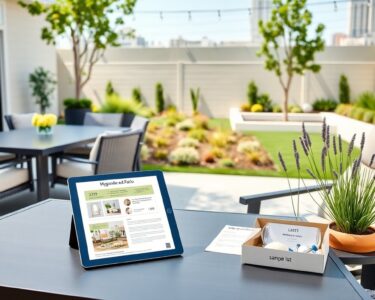
- Add planters to soften patios
- Incorporate trees for shade and visual appeal
Common Mistakes to Avoid
Even with hardscaping, planning is key. Avoid these common issues:
- Skipping proper base preparation
A weak foundation can lead to shifting and uneven surfaces. - Ignoring drainage
Water buildup can damage both hardscape and surrounding areas. - Overcrowding the design
Too many features can make a space feel cramped. - Choosing the wrong materials
Not all materials perform well in every environment. - DIY without enough experience
Some projects require professional expertise for lasting results.
Long-Term Value for Your Property
Hardscaping is not just about convenience. It also adds value to your home.
Buyers often look for outdoor spaces that are ready to use. A well-designed patio or walkway can make a strong impression.
Here is what you gain:
- Improved curb appeal
- Increased usability
- Lower long-term maintenance costs
These benefits make hardscaping a smart investment.
Next Steps for Your Outdoor Space
If your goal is to create a functional, low-maintenance yard, hardscaping is a strong place to start. Focus on structure first, then layer in design elements that match your style.
Many homeowners explore ideas and examples before starting a project. Reviewing work from professionals can help you better understand what goes into well-designed outdoor spaces.
When you are ready to move forward, working with an experienced team can make all the difference. All In Hardscape & Landscape specializes in delivering durable, thoughtfully designed hardscaping solutions that help homeowners create outdoor spaces built to last.